Types of AI Influencers: Understanding the Digital Persona Landscape
Last updated on April 9th, 2024 at 12:28 pm
Artificial intelligence (AI) has permeated various aspects of daily life. The realm of digital influence is no exception. AI influencers, or virtual influencers, have emerged as a new breed of digital personalities, leveraging the power of AI to engage with audiences.
They are computer-generated characters that mimic the social presence and influence of human influencers. Often, they have an extensive reach across social media platforms. These virtual entities are meticulously crafted, combining the appeal of relatable content with the novelty of AI-driven interactions.
Their presence marks a significant shift in the landscape of online marketing and entertainment. AI influencers come in different forms and serve varied purposes, engaging with real-world issues, trends, and audiences.
The mechanisms behind their creation involve sophisticated technology. This includes machine learning, natural language processing, and computer-generated imagery to produce realistic and interactive personas. Their application spans from fashion to tech industries, bringing a unique perspective to marketing and consumer engagement. They also stir discussions around ethics and the social impact of AI.
Key Takeaways
- AI influencers are digitally created personas powered by artificial intelligence technology.
- Virtual influencers represent a transformative trend in marketing and social media engagement.
- Ethical considerations and the realistic nature of AI influencers spark discussions on their social impact.
Evolution of AI Influencers
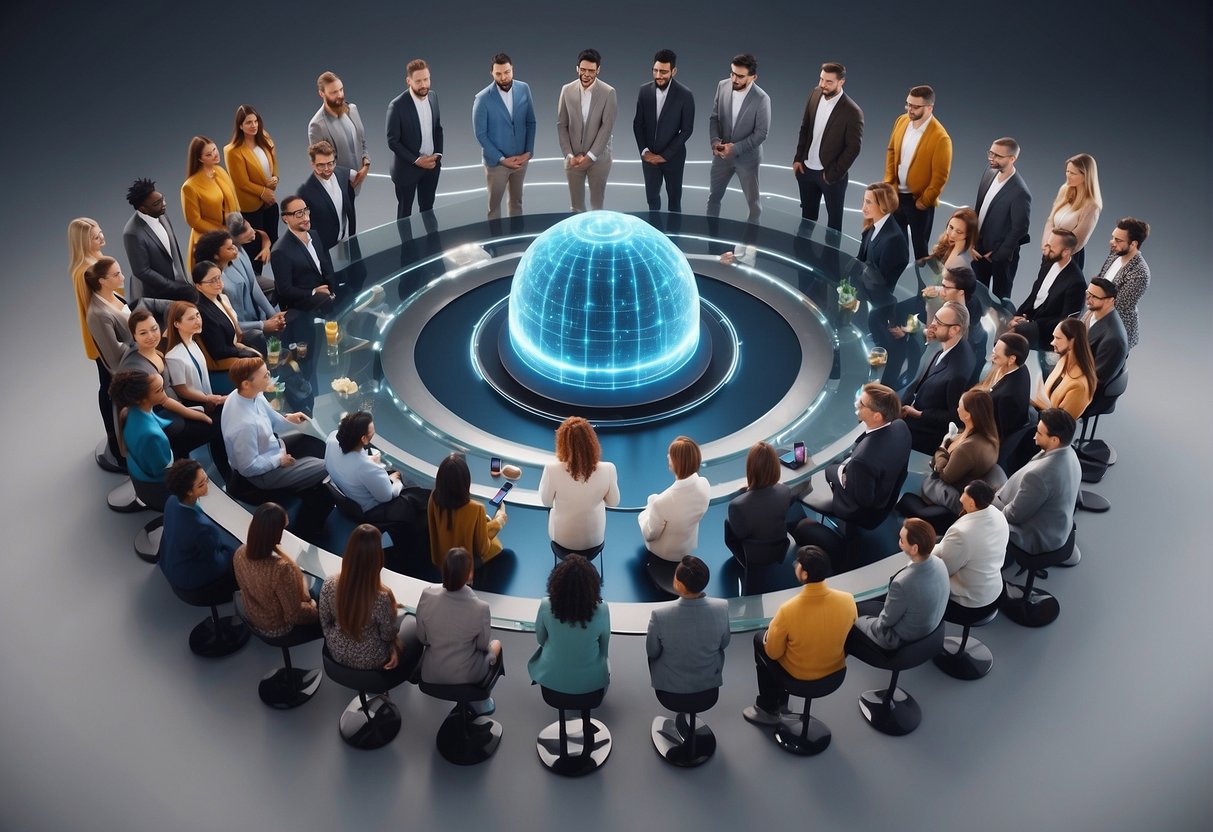
The landscape of influencer marketing has been dramatically altered by the emergence of AI influencers. These digital personas leverage cutting-edge AI technology, marking significant milestones in their evolution and transforming the interaction between brands and consumers.
Historical Milestones
AI influencers have journeyed from mere concepts to influential digital entities. Miquela Sousa, also known as Lil Miquela, emerged on the scene in 2016. She captivated audiences with her human-like appearance and relatable content. She represents a pivotal development in the history of AI influencers, blending the lines between reality and digital creation.
From CGI to AI Technology
Initially, CGI played a central role in creating virtual influencers, offering visually appealing but static characters. The advent of AI technology enabled these figures to engage with users, learn from interactions, and exhibit unique personality traits. This shift from CGI to AI has not only made influencer campaigns more interactive but also more tailored and personal.
Rise of Virtual Personalities
The transition from conventional CGI to dynamic AI has given birth to a new breed of influencers. Lu do Magalu and Imma are among the virtual personalities that have gained immense popularity, thanks to their hyper-realistic appearances and the intriguing content they generate. These AI-driven characters are not only brand ambassadors but also social media personalities with followers in the millions.
Impact of AI on the Influencer Industry
AI influencers have significantly impacted the influencer industry by offering a blend of consistency, control, and innovative marketing opportunities. The industry has seen a digital transformation, with AI influencers being cost-effective and free from the risks of human error and controversy. They are reshaping the future of engagement, allowing for creative storytelling and brand alignment without the unpredictability of human behavior.
Types of AI Influencers
In exploring the realm of AI influencers, distinct varieties emerge, each with unique characteristics and purposes. They are reshaping the landscape of digital marketing and engagement, offering innovative avenues for brands to connect with audiences.
Virtual Influencers vs. Human Influencers
Unlike human influencers, virtual influencers are digital creations that simulate real-life social media personalities. These entities are meticulously designed by software to have appealing personas and can work tirelessly for the brands they represent.
For instance, Lil Miquela, a virtual influencer, has engaged with renowned brands like Calvin Klein and Prada. This exemplifies how virtual entities can effectively collaborate with major labels. By contrast, human influencers are actual individuals who also work with brands but can be limited by human constraints such as availability and personal beliefs.
Synthetic Characters and Brands
Brands are increasingly employing synthetic characters to personify their presence online. These characters often serve as brand ambassadors, offering a controlled and consistent image that can be difficult to maintain with real humans.
For instance, Samsung leverages such synthetic personas to engage customers and showcase their products in a unique way.
Animated Humans and Life-Like CGI
AI influencers exist on a spectrum from animated humans to life-like CGI humans. Animated humans often exhibit stylized features and motion, appealing to audiences through a sense of whimsy and creativity.
On the other hand, life-like CGI influencers, such as Bella Hadid’s virtual twin, blur the line between reality and animation. They offer a hyper-realistic digital experience that can sometimes be indistinguishable from actual humans.
Generative AI and Digital Avatars
Generative AI creates digital avatars that evolve and adapt to various scenarios. This makes them valuable for interactive purposes and personalized customer experiences.
These avatars can learn from interactions and data, refining their approach to engaging with consumers and representing the brands they are affiliated with. They stand not only as social media figures but also as customer service and experience enhancers.
Mechanism and Creation
The creation of AI influencers is a multifaceted process that involves advanced software applications, the artistic expertise of 3D artists, and the precision of machine learning algorithms. These components work in tandem to simulate realistic and engaging virtual personalities.
AI Tools and Software Applications
Various AI tools and software applications are utilized to create the foundation of virtual influencers. These software platforms are designed to process and analyze large data sets to generate content that resonates with targeted audiences.
Companies use proprietary algorithms to tailor the personality and responses of these influencers, ensuring they are aligned with marketing objectives. Examples include content-generation AI systems capable of producing both textual and visual content ChatGPT and DALL-E2, which are instrumental in creating engaging posts that mirror human interaction.
3D Artists and Motion-Capture Technology
3D artists play a crucial role in the visual aspect of AI influencers, sculpting detailed and lifelike virtual models. It is their expertise that brings the influencer to life, giving them a unique identity.
Coupled with motion-capture technology, the nuanced movements and expressions of real humans are transposed onto these digital creations. This technology captures real-time motion, allowing AI influencers to have fluid and realistic movements. This enhances user engagement by providing an authentic experiential interface.
Programming and Machine Learning Patterns
At the core of AI influencers lies intricate programming and machine learning patterns that enable adaptive learning and behavior modification.
These incessant learners analyze user interactions and engagement metrics to refine their performance. Machine learning models are trained to understand context, sentiment, and appropriate responses, which allows AI influencers to interact dynamically with their audience.
The continuous loop of feedback and learning is what makes AI influencers increasingly sophisticated and indistinguishable from human counterparts in their online presence.
Industry Applications and Marketing

In the evolving landscape of influencer marketing, AI influencers are advancing industry applications and reshaping marketing strategies. They offer a fresh and controlled approach, particularly in brand partnerships, advertising initiatives, and the exploration of new market frontures.
Brand Partnerships and Campaigns
AI influencers have carved a significant niche in brand partnerships and marketing campaigns. They provide a unique combination of reliability and innovation for brands like PepsiCo and Hugo Boss.
By collaborating with virtual influencers, these brands can create tailored and highly engaging content. They ensure consistent messaging and safeguarding their image. These partnerships often lead to successful campaigns that resonate with audiences across various digital platforms.
AI in Advertising and Promotions
In advertising and promotions, AI influencers provide a multifaceted tool for creating more personalized and targeted advertising efforts.
Their ability to analyze vast amounts of consumer data enhances the effectiveness of advertising campaigns. These data-driven campaigns can lead to higher engagement rates and a stronger return on investment for brands investing in cutting-edge promotional tactics.
Talent Expansion and New Horizons
AI influencers represent an opportunity for talent expansion and venturing into new horizons within the marketing industry. They are not just a novel tactic but a transformative force, enabling brands to explore previously untapped markets and demographic segments.
Ethical and Social Consideration

The deployment of AI influencers raises critical ethical and social considerations. These digital entities, capable of amassing significant followings, necessitate a dialogue on authenticity, transparency, and ethics, with a focus on race, simulation rights, and the regulation of AI.
Authenticity and Transparency Issues
The integration of AI influencers into social media platforms has placed the concepts of authenticity and transparency under scrutiny. Audiences engage with content under the premise of genuine interaction. However, when AI influencers are introduced, delineating between human and algorithm-driven content becomes complex.
The Department of Consumer Affairs may have a role to play in ensuring that the identity and artificial nature of such influencers are always made clear to the public.
Addressing Bias and Ethical AI
When discussing ethical AI, it is imperative to address inherent biases that can emerge from data and algorithms. Whether these biases pertain to race or other social categories, they can significantly impact the representation and engagement strategies of AI influencers.
Leaders in AI ethics, such as Kate Crawford, emphasize the importance of scrutinizing AI systems used in influencer marketing to avoid perpetuating stereotypical norms or exclusionary practices.
Simulation Rights and Legal Boundaries
The rise of AI influencers prompts questions about simulation rights and the legal boundaries within which they operate. As entities that do not possess rights or liabilities like humans, their creation and usage involve navigating a complex legal landscape.
The concept of simulation rights intersects with ethical considerations, contemplating if and how AI should represent sentient entities. It is an ongoing conversation among policymakers, legal experts, and ethicists, aiming to map out the Atlas of AI in the legal domain.
Market Trends and Future Directions
The landscape of influencer marketing is evolving rapidly with AI influencers at the forefront, offering unprecedented control and flexibility for brands. They engage with audiences around the clock, ensuring a consistent presence in the digital world.
Tracking Influencer Trends
Trends in influencer marketing often reflect broader shifts in technology and consumer behavior. For instance, TikTok has emerged as a dominant platform, where short, engaging content reigns.
AI influencers on TikTok can rapidly adapt to trending hashtags and challenges, ensuring that brands remain relevant.
Furthermore, there is a trend towards more authentic, interactive engagements. Social commerce is becoming integral to influencer strategies, with AI facilitating seamless integration between promotion and purchase.
The rise of the metaverse also represents a significant industry trend. In virtual spaces, AI-powered influencers can interact with users in ways that were previously impossible, offering unique experiences beyond the constraints of the physical world. These interactions are defining the new norms of digital connectivity.
Forecasting the Future of AI Influencers
Examining the future of AI influencers, industry experts predict a continued surge in their adoption. The main advantages driving this growth include control over branding and message, as well as the elimination of human error or inconsistency.
With advancements in AI technology, these influencers are expected to become more lifelike and interactive, forging deeper connections with users.
Specifically, there is anticipation that AI influencers will revolutionize the industry, by becoming more integrated with consumers’ daily lives and emerging media platforms.
Companies are already beginning to capitalize on AI’s ability to provide personalized and direct communication at scale.
Some AI avatars facilitate 1:1 conversations with fans, offering an intimacy previously unattainable in traditional influencer marketing. As AI continues to advance, these digital personas are predicted to play a pivotal role in how brands navigate future marketing landscapes.
Engagement and Community

In the realm of AI influencers, understanding the complex interplay between engagement and community is critical. They craft personas that resonate on various channels such as Instagram and TikTok, and through measuring precise engagement metrics, stakeholders can analyze the impact of these digital personalities.
Understanding the Target Audience
AI influencers are designed with their target audience at the forefront, ensuring that content is tailor-made for specific follower demographics.
For instance, a virtual influencer focusing on beauty products on Instagram will have a distinct aesthetic and content strategy aimed at beauty enthusiasts, which differs markedly from those engaging in gaming on TikTok.
Social Media Dynamics
Different social media platforms have unique dynamics that directly influence the effectiveness of AI influencers.
Instagram is often used for visually-driven content, while TikTok favors short-form, dynamic videos.
An AI influencer’s success hinges on their ability to navigate these intricacies and maintain relevance across all preferred channels.
Engagement Metrics and Analysis
Finally, stakeholders utilize a range of engagement metrics to gauge success.
Metrics such as likes, comments, and shares provide quantifiable data on followers’ interactions.
For example, a high comment-to-like ratio on an influencer’s post could indicate a highly engaged community, whereas spikes in follower count might necessitate further analysis to verify authenticity.
Industry Insights and Case Studies
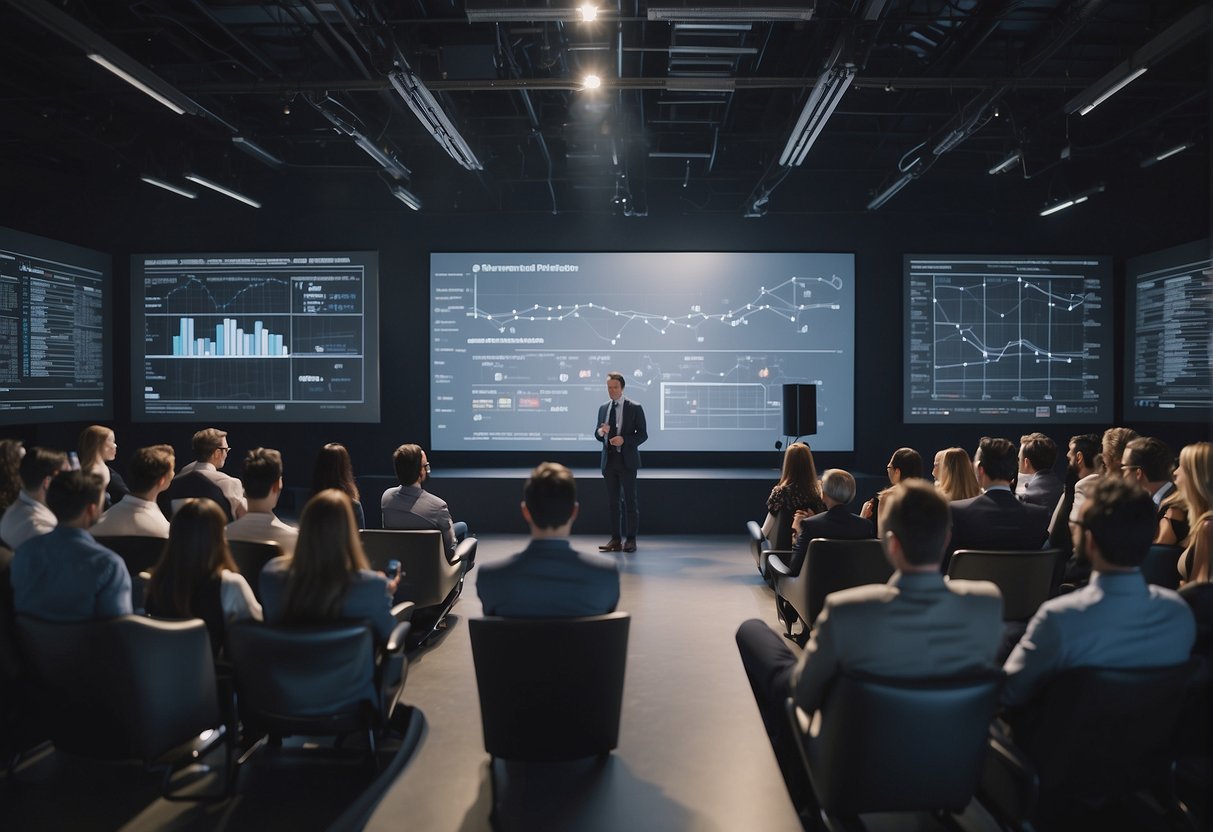
The intersection of artificial intelligence and influencer marketing is transforming brand strategies and audience engagement. This section delves into practical applications and influential entities reshaping the landscape.
Notable AI Influence Campaigns
Midjourney and Nobody Sausage stand as pioneering examples where AI-generated characters have uniquely engaged audiences.
Notably, Midjourney’s virtual influencer garnered attention for creating relatable content, whereas Nobody Sausage used humor and interactivity, underlining the creative potential AI holds for marketing.
Emerging Startups and Technological Innovators
Startups like DeepLearning.ai and Landing AI have leveraged big data and cutting-edge AI to advance the industry.
Andrew Ng, the founder of both companies, has been pivotal in utilizing AI for influencer marketing strategies, highlighting the roles of startups in driving innovation.
Influential AI Personalities and Thought Leaders
Allie Miller of LinkedIn fame encapsulates the essence of an AI personality turned thought leader.
She, alongside Google Brain’s researchers, have substantiated the impact of AI on influencer marketing through incisive industry analysis and contributions.
Research and Development in AI Influencing
The ImageNet competition, initiated by Google and others, has spurred advancements in AI, propelling research and applications in AI influencing.
Entities such as Baidu, with their forays into robotics and AI, illustrate how scientific dedication to R&D enriches AI influencer marketing.
Tools and Resources

The landscape of artificial intelligence in influencer marketing is rich with sophisticated tools and comprehensive educational resources. These are designed to streamline the creation process and equip individuals with the necessary skills to leverage AI effectively.
Platforms for AI Influencer Creation
To craft authentic AI influencers, platforms are pivotal. They extend the necessary infrastructure for design and interaction.
A notable example includes Castmagic, which offers a digital workspace for transforming audio or media content into diverse AI-generated, text-based content assets.
Equally important, platforms such as CreatorDB reveal the practicalities of CGI-enhanced AI influencers, serving as a foundation for their creation and management.
Another avenue is through generative AI tools, which allow users to design influencers with unique appearances and personalities. These influencers can engage with audiences in a seemingly human manner, supported by platforms that specialize in non-human and animated characters.
Educational Materials and Training
When it comes to mastering AI influencer technology, educational materials and training are indispensable.
For those interested in the scientific underpinnings or aspiring to build AI influencer platforms themselves, organizations such as deeplearning.ai provide specialized courses that cover a breadth of knowledge from foundational concepts to advanced applications.
AWS, Amazon’s cloud computing division, offers tools and services that enable developers and educators to access powerful AI and machine learning capabilities.
Their resources include comprehensive guides and training modules that detail how one can utilize AWS services for AI-driven endeavors, including influencer marketing.
Training in these areas emphasizes the importance of chatbots and conversational interfaces, like ChatGPT, which play a crucial role in simulating influencer interactions and enhancing audience engagement.
Through these educational pathways, marketers and technologists alike can refine their skills and stay at the forefront of AI influencer innovation.
Risks and Challenges
AI influencers, while innovative, present a spectrum of risks and challenges. These range from debates regarding authenticity to potential misuse of technology, which could ultimately shape societal norms and values.
The Authenticity Debate
The authenticity of AI influencers is a core ethical consideration. Audiences often build trust with influencers based on perceived genuineness and relatability.
However, with digital influencers, the lines are blurred, since their personality and responses are crafted by algorithms. The question arises whether the endorsements and interactions by AI are misleading, which could affect consumer trust and brand reputation.
Technology Misuse and Deepfakes
Deepfakes employ AI technology to create convincing fake videos or voices, leading to serious risks such as identity theft or the spread of misinformation.
When deepfake technology is applied to robot and digital influencers, it poses a threat to the veracity of online content. Companies must navigate these waters carefully to prevent technology misuse that could harm individuals or democratic processes.
Cultural and Societal Impact
AI influencers have the potential to shape culture and affect societal norms.
Their influence could promote unrealistic standards or overshadow human influencers, thus impacting the job market.
Additionally, there are concerns that these digital entities could perpetuate biases if their AI lacks diverse programming. It’s critical to consider these cultural implications when integrating AI influencers into marketing strategies.
Frequently Asked Questions
In the evolving world of digital marketing and social media, AI influencers are emerging as an innovative force. Here are some direct answers to common questions on virtual influencers and their growing influence on branding and content.
What are virtual social media influencers?
Virtual social media influencers are computer-generated characters designed with human-like features and personalities. They engage with real audiences on social media platforms, creating content and promoting brands much like human influencers do.
Who are some of the top AI influencers in the metaverse?
In the metaverse, top AI influencers include digital personalities such as Lil Miquela and Shudu, who excel in connecting with audiences and have partnerships with renowned brands, setting trends within virtual spaces.
How do AI influencers operate on Instagram?
AI influencers operate on Instagram by posting regular content like photos, stories, and reels, which are often indistinguishable from human-created content. Their developers program them to interact with followers, participate in trending topics, and collaborate with brands.
Can you generate your own AI influencer, and if so, how?
Yes, one can generate their own AI influencer. This can be done by using advanced software for 3D modeling, artificial intelligence, and graphic design to craft a unique virtual persona.
Creating an engaging backstory and establishing a presence on social media platforms is key.
In what ways do AI influencers impact marketing and branding?
AI influencers impact marketing and branding in several ways. They provide consistent and controlled messaging, open up new audiences, and reduce the unpredictability associated with human influencers.
This allows for innovative campaigns and collaborations.
How are AI influencers integrated into video content?
AI influencers are integrated into video content by being animated and voiced over to appear as real-life characters. They can be scripted to deliver messages, tell stories, or endorse products. This enhances brand narratives in creative and engaging ways.