How to Make AI Songs: Efficient Techniques for Unleashing Creativity
The world of music is constantly evolving, and artificial intelligence has entered the scene as a groundbreaking tool for creating songs. AI-powered platforms offer music enthusiasts the opportunity to experiment with various elements, styles, and genres by integrating advanced algorithms to generate unique tracks. Whether you’re an experienced musician or an amateur, AI can revolutionize your music making process and help you craft original and engaging songs in a matter of minutes.
Understanding the creative potential of AI in music can unlock countless opportunities for innovation. As this technology becomes increasingly sophisticated, it allows individuals to blend their own artistic vision with AI-generated components seamlessly. The result is a harmonious fusion of human intuition and machine-generated melodies, fueling a new wave of musical expression.
Key Takeaways
- AI-powered tools offer a revolutionary approach to creating original music with various elements, styles, and genres.
- Utilizing AI in music making can provide a unique blend of human intuition and machine-generated melodies.
- Experimentation and utilizing the right AI applications can lead to innovative and engaging song creations.
Understanding AI in Music Creation
The integration of AI (Artificial Intelligence) in the field of music creation has revolutionized the way music is produced. AI music generators employ advanced algorithms and machine learning techniques to create unique and engaging tunes.
One method that AI employs for music creation is the use of Recurrent Neural Networks (RNNs). These networks learn patterns from data and can generate new pieces with similar structures. For instance, RNNs can be fed a set of melodies and then generate new musical ideas based on the learned patterns.
Moreover, Generative Adversarial Networks (GANs) are another popular technique in AI music production. These networks consist of two components: a generator and a discriminator. The generator creates new musical ideas, while the discriminator evaluates the quality of the produced music. Through an iterative process, these networks improve the quality of the generated music over time.
Some key aspects of AI in music creation:
- AI-generated music can expand an artist’s creative potential by providing inspiration or generating backing tracks.
- Automated music production tools based on AI can help save time and resources without compromising the quality of the output.
- AI-based music composition algorithms create opportunities for new genres and styles to emerge.
In recent years, several AI music generators have been developed, offering artists a vast array of options to create music. These generators use techniques like Generative Pre-Trained Transformers (GPTs) and Music Information Retrieval (MIR) to produce unique compositions.
However, it is important to keep in mind that AI in music creation does not undermine the value of human creativity. Instead, it serves as a tool for artists to explore new horizons in their work and push the boundaries of musical expression.
Steps to Create AI Songs
Creating AI-generated songs has become increasingly popular due to advancements in technology. By following a few simple steps, anyone can leverage AI to create unique pieces of music.
To begin with, choose an AI-powered music application that suits your needs. Applications such as Musicfy and Mubert offer user-friendly tools to help you create AI music.
- Sign Up: Register for the chosen AI music application, which typically offers free access along with premium subscription options.
- Explore the Interface: Familiarize yourself with the application’s user interface and features. These platforms often provide pre-built templates, tutorials, and customizable settings to help you generate the desired music.
- Choose a Genre: Select a music genre that suits your taste or project requirements. Applications like SongR provide multiple genre options, making it easier to find the right fit.
- Adjust Parameters: Customize the aspects of your song such as tempo, rhythms, and instruments. AI music software usually offers pre-set options while also allowing for more granular control.
- Generate the Track: Activate the AI algorithms to create your song. The application will create a composition using its knowledge base and your selected preferences.
- Refine and Iterate: Review the generated track and make any necessary adjustments. The AI music application allows for more iterations if the initial output does not meet your expectations.
- Export the Final Version: Once satisfied with the AI-created composition, download the track in your desired file format and use it as needed.
Through these straightforward steps, anyone can harness AI capabilities to create original songs, incorporating various tracks, beats, and instruments. By leveraging AI’s power in music generation, enthusiasts and professionals alike can create rich, diverse music in a matter of minutes.
Choosing the Right Genre and Style
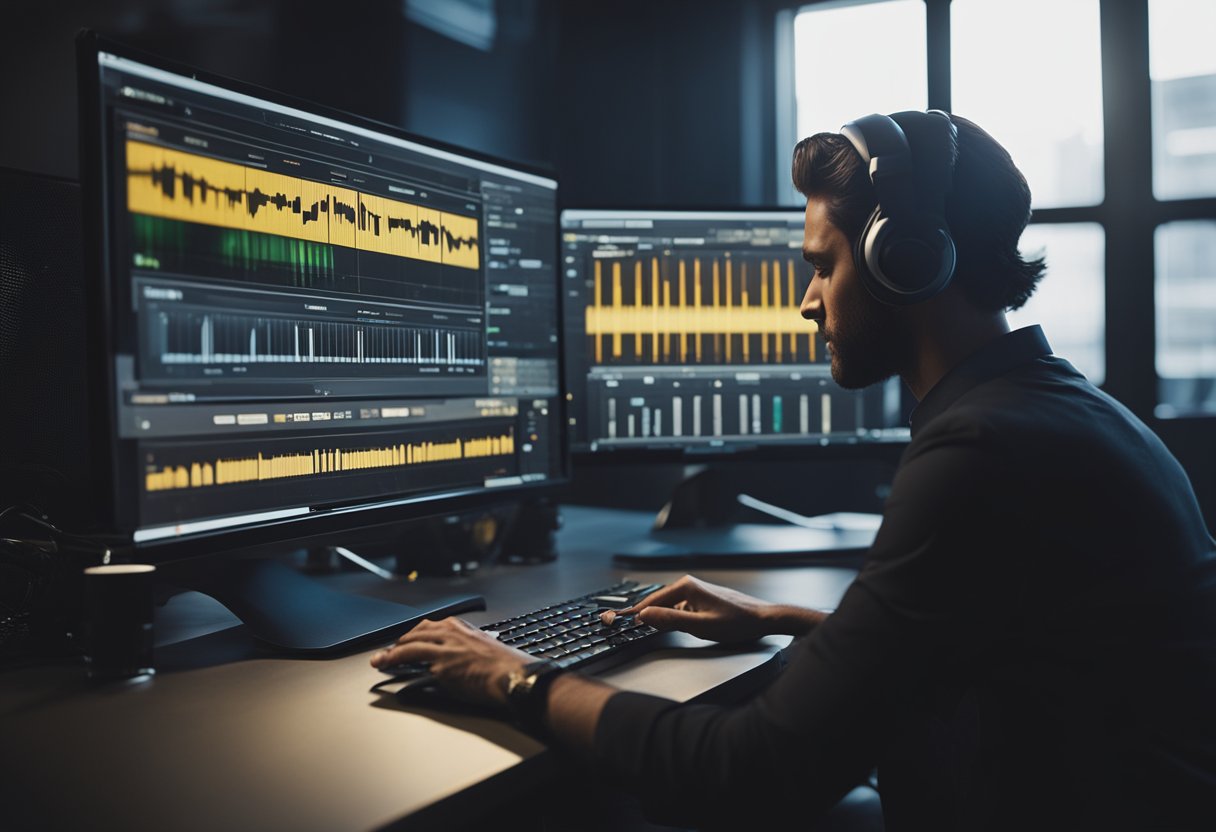
When creating AI-generated music, selecting the appropriate genre and style is crucial. The chosen genre will guide the AI algorithms, offering them a framework to generate coherent and appealing melodies, beats, and harmonies. There is a wide variety of genres to choose from, including pop, hip-hop, techno, and more.
To select the right genre, consider the mood and atmosphere you wish to convey. For example, a techno track may incorporate energetic beats and futuristic synths, creating an exciting and vibrant soundscape. On the other hand, a more relaxed cafe-style track may make use of laidback rhythms and soothing melodies, setting a calm and cozy ambiance.
AI music platforms, like Mubert and SongR, provide various options to define the specific style you want. Once a genre has been chosen, consider infusing your AI-generated song with unique characteristics to make it stand out. This can be done by using different instruments, playing with tempo, or experimenting with harmony and melody changes.
Here are some factors to keep in mind when selecting the genre and style:
- Mood: Determine the emotional atmosphere you want to create, such as energetic, calming, or melancholic.
- Target Audience: Consider the preferences of the listener or demographic you’re creating the song for.
- Tempo: Adjust the speed of the music to complement the intended atmosphere.
- Instrumentation: Choose the appropriate instruments or sounds that align with the desired genre or style.
- Harmonies and Melodies: Experiment with various melodies and chord progressions to make your track more interesting and engaging.
Ultimately, the key to creating a captivating AI-generated song lies in the balance between following the conventions of your chosen genre and adding innovative elements that highlight its unique appeal. By selecting the right genre and style and experimenting with various parameters, you can create a memorable and enjoyable piece of music that resonates with its audience.
Manipulating Song Elements
When creating AI-generated songs, you can manipulate various elements to produce a unique and engaging musical composition. Experimenting with these elements allows you to craft a personalized sound that truly captures the emotions you want to convey.
Vocals and Voice Cloning: One of the most crucial aspects of a song is the vocals. AI technologies like OpenAI’s Jukebox and Musicfy AI enable users to clone their own voices or use synthesized vocals. This opens up the possibility of creating songs with multiple clones of your voice or even developing entirely new voices.
Audio Energy and Duration: Altering the energy and duration of a song can significantly impact its overall mood. Higher energy songs might have faster tempos and more dynamic rhythms, while lower energy compositions may be slower and more soothing. Adjusting the song’s length also provides the option to create short jingles or full-length tracks.
Keys and Loops: Changing the key of a song opens up new emotional possibilities, as different keys produce unique moods. Additionally, incorporating loops and repeating segments can help establish a consistent structure and build familiarity throughout the song.
Volume and Mixing: Balancing the volume of each instrument and vocal track is essential for creating a cohesive sound. AI tools for mixing help to ensure that no single instrument overpowers the others. By adjusting the volume and panning of each track, you can create a well-rounded sonic experience.
These elements can be easily modified using AI-generated music tools and techniques. With the ability to fine-tune vocals, audio energy, keys, loops, and volume, you can harness the power of AI technology to create exceptional songs that resonate with your target audience.
AI Application Options
Desktop Music Production Apps
There are several desktop music production apps that cater to the AI music generation space. Some popular options include Soundful and SoundRAW. These apps offer easy-to-use interfaces and allow users to incorporate AI-generated music components into their projects. They often provide a variety of genres and pre-built templates, making the process of creating AI music more efficient for users.
Online AI Music Generators
Online AI music generators, such as Beatbot and OpenAI’s Jukebox, have become increasingly popular due to their accessibility and ease of use. These web-based applications typically require a simple sign-up process and often offer both free and paid plans.
Here are some popular online AI music generators:
- Beatbot: Generates AI beats and tunes that can be used for various purposes.
- Mubert: Offers the generation of AI music tracks and allows users to download them.
These generators enable users to create AI-generated music for various purposes such as background music for YouTube videos or commercial projects.
AI Music Apps for Mobile Devices
With the rise of smartphones and mobile technology, AI music generation has expanded to mobile apps as well. These apps offer users the convenience of generating AI music on the go. Some notable options in this category are:
- AI Music Generator: A versatile app that enables users to create AI-generated music for commercials, podcasts, and YouTube videos.
- Synthesizer V: Provides vocal synthesis with high-quality AI-generated voices and instruments for music production purposes.
These mobile apps offer users the flexibility to create AI-generated music while they are away from their desktop setup, engaging with their projects from locations outside of a traditional studio.
Incorporating AI Covers into your Music
The integration of AI covers into your music opens up a world of creative possibilities. Utilizing advanced AI algorithms, you can generate impressive cover songs borrowing the distinct styles and vocal characteristics of popular artists like Drake and Jennifer Lopez.
One key component of creating AI covers is selecting the appropriate voice model to emulate your desired artist. For example, you might choose a Drake-inspired voice for a rap track or opt for Jennifer Lopez’s voice to bring life to a pop or Latin-inspired song. It’s crucial to understand the strengths and qualities of each artist’s vocals in order to achieve a convincing result.
In addition to choosing the right voice model, successful AI covers require proper preparation of your audio files. This typically involves a few essential steps:
- Removing vocals from the original song.
- Isolating instrumental and vocal tracks after separation.
- Touching up the isolated vocal track if needed, including pitch correction and noise reduction.
- Applying the AI model to the vocal track, which generates the cover in the chosen artist’s voice.
- Combining the AI-generated vocal track with the isolated instrumental track for the final outcome.
To enhance your AI covers, consider experimenting with different styles and musical elements like melody, tempo, and rhythm. AI tools like BeatBot can be a great asset in the creative process, as they are designed to analyze and interpret the complex components of a song.
Finally, don’t be afraid to explore various genres and artists, as AI offers a unique opportunity to reinvent your music and discover new avenues for your compositions. As a producer or musician, AI-driven covers can breathe new life into existing songs, fuel your artistic growth, and establish a unique musical identity.
Pro Tips for Unique AI Song Creation
Creating a unique AI-generated song can be a rewarding experience. Utilizing the advanced tools available today, musicians have the ability to collaborate with AI algorithms and produce personalized compositions. Here are a few helpful tips to guide you on your journey in AI song creation.
First, experiment with different AI music generators. There are numerous options on the market, each offering a variety of features and capabilities1. By accessing a diverse range of generators, you can explore different genres and styles while discovering which AI tools best suit your creative vision.
Next, consider customizing the AI-generated tracks. Most AI music generators provide options to modify various musical elements, such as tempo, chord progressions, and instrument choice. This level of personalization allows you to blend AI-generated ideas with your own unique artistic vision2.
To further enhance your AI song creation, explore the possibilities of using multiple AI tools. By combining the strengths of various artificial intelligence platforms, you can create an even more unique and polished final product3. For instance, you can use one AI tool for generating a chord progression and another for adding effects or mixing the track.
When it comes to the actual songwriting process, consider incorporating the following strategies:
- Brainstorming: Experiment with different AI-generated melodies, chords, and rhythms to inspire your creativity1.
- Refining: Edit and revise the AI-generated output to achieve a more polished sound that aligns with your vision4.
- Blending: Combine and layer multiple AI-generated ideas within a single song to create a rich and dynamic listening experience2.
In conclusion, approaching AI song creation with a blend of experimentation, customization, and collaboration can lead to the production of truly unique music. By leveraging the power of artificial intelligence, musicians can forge new creative paths and unlock exciting possibilities in their musical journey.
Footnotes
- How-To: Creating Music with AI Music Generators | Soundful ↩ ↩2
- How Is AI Music Made? (Easy Guide) – SOUND KICKERS ↩ ↩2
- AI for Music Production: 10 Tools to Produce Like a Pro ↩
- How to Make an AI Song – Rolling Stone ↩
Sharing and Promoting AI Generated Music
Creating AI-generated music has become increasingly popular, thanks to advanced tools like Dream Track. Once you’ve crafted a unique and captivating song using AI, it’s important to share and promote your work to gain exposure and engage listeners. Here are some effective methods to showcase and spread your AI-generated music.
1. Social media platforms
Leverage popular social media platforms such as Facebook, Instagram, Twitter, and TikTok to reach a wider audience. Share snippets of your music, creating compelling visuals or short videos that draw attention to your work. Engage with your followers and use relevant hashtags to increase your reach.
2. Music streaming services
Upload your AI-generated music to popular streaming services like Spotify, Apple Music, and SoundCloud. This will ensure listeners can easily access your music, add it to playlists, and share it with friends.
3. Online music communities
Become an active member of online music communities, such as Reddit and genre-specific forums. Share your AI-generated music and gather feedback from other users, fostering constructive discussions that can help you refine and improve your work. Be sure to offer helpful advice and feedback to others, too.
4. Collaboration with other artists
Team up with other musicians and artists to create unique collaborations that highlight your AI-generated music. This can help you reach a wider audience and expose your work to new listeners who may not be aware of AI-generated music.
5. Live performances and events
When possible, perform your AI-generated music at local events, open mic nights, or even through live-streaming platforms. This will build awareness of your work and allow you to engage with fans in person or virtually.
Remember that consistently sharing and promoting your AI-generated music is key to increasing your reach and sparking interest from listeners. Use these methods to effectively showcase your work and inspire others with the innovative possibilities of AI-generated music.
Downloading and Saving Your AI Music
Creating AI-generated music has become easier than ever. Once you have generated your desired AI music track, you would want to download and save it for your project. The following are some steps to achieve this.
First, find the appropriate AI music platform that suits your needs. Some popular platforms include Loudly’s AI Music Generator, Musicfy AI Blog, and Easy With AI. These platforms allow users to create music from a variety of genres and styles.
Once your AI music track is created, most platforms offer a download option. Clicking this button should initiate the process of saving your music to your device. Be sure that the downloaded music file is in a compatible format, such as MP3 or WAV.
After downloading your AI music, you want to make sure to properly organize it in a folder or your preferred music library. This will allow you to find and access the file quickly when needed.
Some AI-generated music platforms offer royalty-free music, meaning that you can use the music without needing to pay any fees. This makes it more convenient for creators looking to integrate AI-generated music into their projects, whether it’s for personal use or a commercial venture.
Here’s a brief summary of the process:
- Choose an appropriate AI music platform.
- Generate your AI music track.
- Click the download button to save the music file.
- Organize the downloaded file in a folder or music library.
- Confirm the royalty-free status of your music if needed.
Remember to follow these steps to ensure a smooth downloading and saving process for your AI-generated music.
Final Thoughts on AI in Music
The integration of AI in music production has undoubtedly brought forth a new wave of innovations. Utilizing AI-powered tools, musicians and producers can experiment with different elements such as melody, harmony, and rhythm to generate unique compositions. Projects like Google’s Dream Track showcase the potential of AI to create tracks using famous singers’ voice clones.
AI techniques have led to the development of various creative tools for sound design and mixing. For instance, software like Lyria by Google DeepMind allows YouTube to experiment with automatically generated music. These AI-generated sounds can complement the artistic vision of musicians, offering seemingly endless possibilities.
However, it’s essential to acknowledge the concerns regarding the ethical implications and potential pitfalls. As AI-generated music gains popularity, questions related to copyright, authenticity, and the role of human creativity need careful consideration.
In conclusion, the AI’s growing presence in music production is poised to transform the industry. While AI brings new opportunities and possibilities, musicians and producers must strive to maintain an ethical balance to ensure the preservation of authenticity and human creativity. With proper guidelines in place, the synergy between AI technology and human creativity can lead to groundbreaking advancements in music production.
FAQs
What are the best AI music generator apps?
There are various AI music generator apps available, with some notable examples being Aiva Technologies, iZotope, and OpenAI. These platforms offer unique features and cater to different user preferences, making it essential to explore and choose the one that best suits your needs.
How can I create AI-generated music with vocals?
To create AI-generated music with vocals, you can use platforms like Humtap, which allows you to hum or tap a melody or rhythm into your microphone. The app then generates songs with vocals in various genres and styles, giving you the ability to customize lyrics, vocals, instruments, and effects.
What tools are needed for AI song production?
AI song production involves the use of software programs and platforms that facilitate AI-generated music creation. These tools can range from simple AI music generators to more advanced digital audio workstations (DAWs) with built-in AI features. Essential tools may include AI-powered instruments, vocal synthesizers, and AI-generated drum patterns, among others.
Are there any free AI music generator platforms?
Yes, there are free AI music generator platforms available, such as Humtap. While free platforms may have limitations compared to paid options, they offer a great starting point for beginners and those who want to experiment with AI-generated music without investing heavily upfront.
How do AI song lyrics generators work?
AI song lyrics generators use natural language processing (NLP) and machine learning algorithms to analyze existing song lyrics, understand patterns and structures, and generate new, unique lyrics. These tools can follow specific themes, rhyme schemes, and genres, allowing users to create customized lyrics for their AI-generated music.
What are the steps to create AI music cover tracks?
Creating AI music cover tracks involves a few key steps:
- Choose an AI music generator platform that suits your needs and preferences.
- Select the song you want to create a cover for, and input the original music’s key, tempo, and other essential attributes.
- Use the AI-powered tools provided by the platform to generate new instruments, melodies, harmonies, or rhythmic patterns.
- Customize the AI-generated music, adjusting elements such as instruments, arrangement, and effects until it aligns with your artistic vision.
- Add AI-generated vocals and lyrics, if desired.
- Export your AI-produced cover track and share it with your audience.