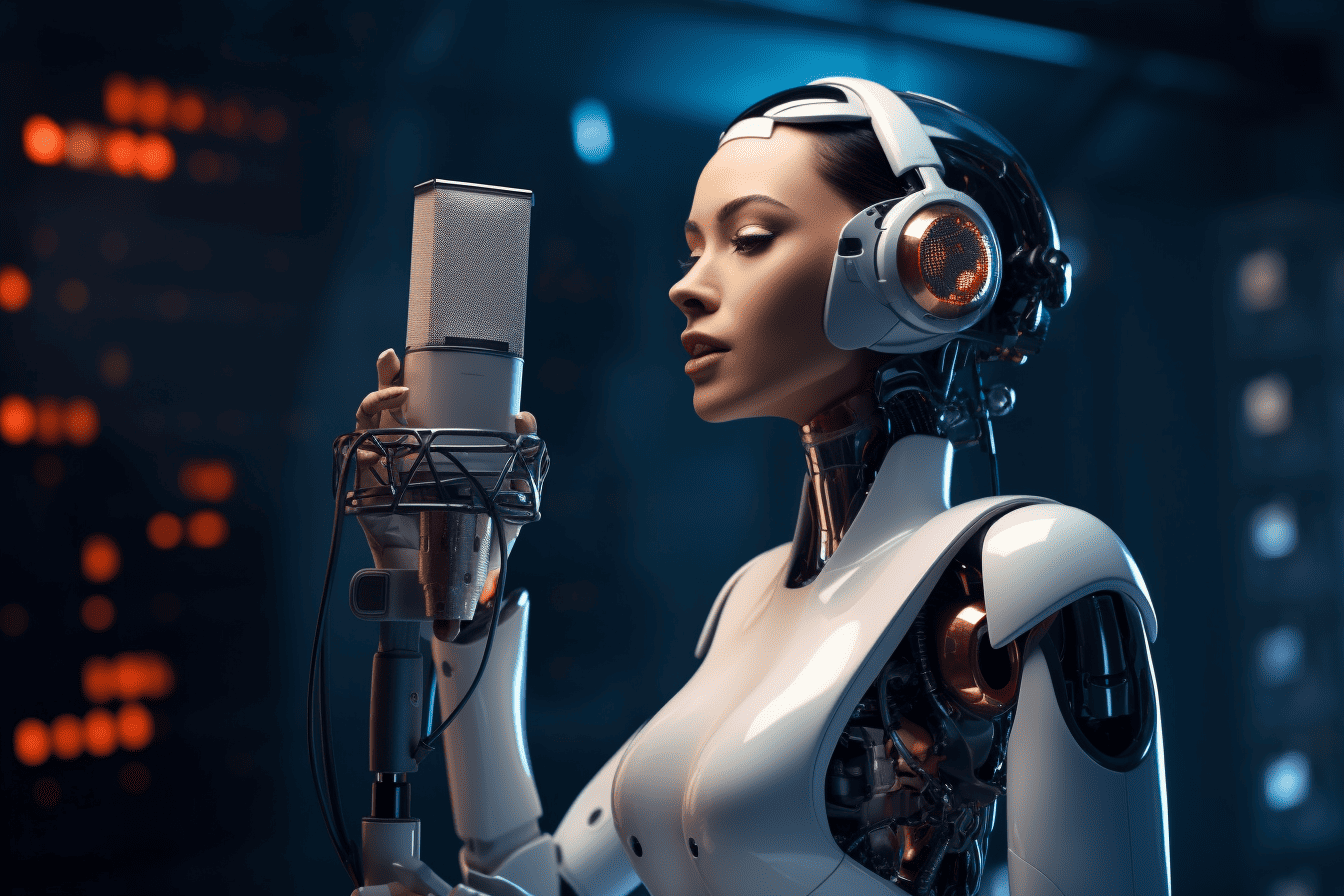
How to Make AI Voice: A Comprehensive Guide for Beginners
Artificial intelligence (AI) is rapidly transforming the world of audio and video production, enabling creators to synthesize human-like voices with unprecedented ease and quality. With AI voice generators, you can convert your written text into natural-sounding speech, tailor voices to specific applications, and even clone existing voices for various purposes. These advancements provide a range of benefits, from cost and time savings to the ability to produce content that is more accessible and engaging for diverse audiences.
Understanding how AI voice technology works is essential to unlocking its full potential. AI-driven text-to-speech systems analyze input text, apply various linguistic and acoustic models, and generate speech signals that resemble human voices. With continuous advancements in artificial intelligence and machine learning algorithms, AI-generated voices are becoming increasingly realistic, making it possible to create custom voice solutions for numerous applications, from virtual assistants and narration to interactive voice response systems and beyond.
Embracing AI voice technology can enhance your content creation process and help you stay ahead of the curve in this fast-evolving landscape. With the right tools and an understanding of the steps involved, you can tap into the power of AI-generated voices to deliver engaging and high-quality audio experiences for your audience.
Key Takeaways
- AI voice technology allows the creation of realistic, customizable synthetic speech
- Advanced algorithms and machine learning techniques are improving AI-generated voice quality and clarity
- Implementing AI voices in various applications can enhance content accessibility and audience engagement
Understanding AI Voices
Evolution of AI Voices
AI voices have come a long way in recent years. From the robotic, monotone voices of the past to incredibly realistic synthetic voices, advances in technology have enabled AI voices to sound more human-like than ever before. As a result, these voices have become more capable of replicating the intricate nuances of human speech, which has opened the door for applications in various industries, such as entertainment, customer service, and personal assistants.
As a user of AI voice technology, it is crucial to understand how these voices have evolved. Early AI voices sounded robotic and lacked the expressiveness of natural speech. However, the advent of machine learning and improved algorithms has led to the development of highly sophisticated virtual voices. Today’s AI voices not only sound like human voices but can also accurately mimic the rhythm, tone, and pitch found in natural speech.
Types of AI Voices
There are two main types of AI voices: Text-to-Speech (TTS) voices and voice cloning. TTS converts written text into spoken words using synthesized speech, whereas voice cloning is the process of recreating an individual’s voice using AI.
- Text-to-Speech (TTS) voices: TTS technology focuses on providing clear, natural, and easily understandable speech. AI voice generators, such as Podcastle.ai, allow users to customize various elements, like pitch, speed, and language, to create a truly personalized voice. TTS voices have numerous applications, including audiobook narration, voiceovers for videos, and assistive technology for individuals with disabilities.
- Voice Cloning: This technology involves creating a high-quality replica of a human voice through AI models and algorithms. The process involves training an AI system with audio samples taken from a specific individual. Once trained, the AI can mimic the person’s voice with remarkable accuracy. Voice cloning is commonly used for entertainment, security, and personalization purposes. For instance, celebrities can use voice cloning to create their virtual representatives for advertising or providing personalized messages to fans.
In summary, AI voices have progressed significantly over the years, from robotic and monotonous sounds to impressively realistic synthetic voices. By understanding the evolution and types of AI voices, you can leverage this technology for various purposes, such as creating voiceovers, designing virtual assistants, or crafting personalized messages.
Why Use AI Voice Generators
For Podcasts
AI voice generators can benefit you in various ways when creating podcasts. One of the primary advantages is the ability to generate realistic speech, making it easier for your audience to engage with your content. AI voice generators can also help you create diverse and dynamic content by providing a wide variety of voices and accents for different characters or speakers. Additionally, using an AI voice generator for your podcast can save you time and resources, as it automates the voice-over process and requires no additional voice talent.
For Audiobooks
If you are an author or publisher looking to create audiobooks, implementing AI-generated voices is an excellent solution. Not only can an AI voice generator produce high-quality narration, but it also offers immense scalability. This means you can generate large volumes of voice content efficiently, allowing you to turn your written works into audiobooks in no time. Furthermore, AI-generated voices can add depth and variety to your content by offering various voice types, tones, and styles, bringing your stories to life in a truly engaging manner.
For Social Media Content
Using AI voice generators for social media content can significantly increase your productivity and enhance your overall online presence. Incorporating AI-generated voices into your videos, explainers, or other multimedia posts gives your content a professional and polished touch. It also ensures that your audience can easily consume your content across different platforms, even when they are unable to read the text or watch a video. By using an AI voice generator for your social media content, you provide your followers with a richer, more enjoyable experience.
Steps to Make AI Voices
With AI Voice Generators
AI voice generators can help you create realistic and custom voices for various purposes. Some popular AI voice generators include Murf, Speechify, and Amazon Polly. To get started with AI voice generation, follow these steps:
- Choose an AI voice generator: Research the available tools and select one that best fits your needs.
- Create an account: Sign up for an account with your chosen AI voice generator and explore its features.
- Generate a voice: Follow the instructions provided by the platform to generate a custom voice, learn about the available voice options, and select the one that suits your requirements.
- Customize the voice: Some AI voice generators allow you to further customize the voice by adjusting parameters such as pitch, speed, and volume.
- Apply the voice: Use the generated AI voice in your desired application, such as narrating text or adding voiceover to a video.
With Text-to-Speech Technology
Text-to-speech (TTS) technology is another way to create AI voices. It converts written text into human-like speech and can be an effective solution, especially for applications like ebooks, phone systems, or voice assistants. Some popular TTS engines include Google Text-to-Speech, Microsoft Azure Cognitive Services, and IBM Watson Text-to-Speech. Here are the steps to create AI voices using TTS technology:
- Select a TTS engine: Choose a suitable text-to-speech platform based on your needs and requirements.
- Explore TTS voices: Familiarize yourself with the available TTS voices and their characteristics, such as language support, gender, and regional accents.
- Create custom TTS voices: If the platform offers the option, you can create custom text-to-speech voices by training the AI with your desired voice data.
- Integrate TTS into your application: Follow the instructions and guidelines provided by the platform to integrate the text-to-speech technology into your application.
- Customize the output: Adjust settings like speech rate, pitch, and volume to tailor the AI voice to your specific requirements.
By following these steps, you can create realistic AI voices using AI voice generators or text-to-speech technology, depending on your needs and preferences. With a bit of practice and experimentation, you will be able to utilize AI voices that enhance your project’s overall user experience.
Voice Cloning with AI
Voice cloning technology has advanced significantly in recent years, enabling the creation of realistic synthetic copies of a person’s voice. Using artificial intelligence (AI), you can now clone your voice with just a sample of your speech.
To start with voice cloning, first, you need to find the right AI-powered tool. Platforms like Speechify and Murf.ai offer easy-to-use solutions for creating a synthetic version of your voice. These tools use deep learning algorithms to analyze the unique nuances, accents, and tones of your speech.
Next, you should provide a sample of your voice for the AI to analyze. This typically involves recording yourself reading a series of scripted sentences. It is essential to speak clearly and naturally during this process. Also, find a quiet place to do the recording to avoid any background noise. The more comprehensive and diverse your recorded samples, the better the AI can learn and replicate your voice.
Once you have a sufficient sample of your voice, the AI system begins its learning process. By analyzing your speech patterns and various vocal attributes, the AI generates a synthetic voice model that resembles your voice. This process may take a few hours to complete, depending on the platform you choose. Some tools also allow you to tweak settings such as pitch, inflection, or emphasis to improve your cloned voice or simulate different emotional states.
Finally, test the quality of your AI-generated voice by inputting text for the AI to speak. Evaluate the resulting audio to ensure it adequately resembles your voice, and make any necessary adjustments to the settings.
In summary, cloning your voice with AI involves selecting the right tool, providing a high-quality sample of your voice, allowing the AI to analyze and learn from your speech, and testing the resulting synthetic voice for accuracy. Embrace this fascinating technology and transform the way you communicate, narrate or create content.
Quality and Clarity of AI Voices
One of the most important aspects to consider when creating AI voices is the quality and clarity of the generated speech. You must strive to produce natural-sounding speech that is easy for your audience to understand. With advancements in AI technology, it is now possible to generate highly realistic speech that mimics human voices with impressive accuracy.
The clarity of AI voices plays a crucial role in their effectiveness. For your text-to-speech projects, focus on generating speech that is not only clear but also pleasant to listen to. Utilize AI voice generators that are capable of producing crisp and accurate pronunciation, ensuring that your audience can comprehend the message without any difficulties.
Natural-sounding speech is another essential quality when creating AI voices. The goal is to make the speech sound as much like a human voice as possible, with appropriate pauses, intonation, and emphasis. By using advanced AI voice generators like Murf or Speechify, you can achieve this naturalness without investing too much time or effort.
When selecting an AI voice generator for your project, consider the available customization options. Some platforms provide a wide range of voices, accents, and speaking styles to choose from, allowing you to tailor the output to suit your specific needs. Experimenting with different settings can help you find the perfect balance between clarity and natural-sounding speech.
In summary, focusing on quality and clarity will ensure that your AI voices are both engaging and easy to understand. Utilize advanced AI voice generators and customize the settings to achieve the desired level of naturalness and clarity in your generated speech. By doing so, you can confidently create AI voices that accurately convey your message and resonate with your audience.
Creating Custom Voices
In Different Languages
Creating custom AI-generated voices in multiple languages is now possible with advanced technology. Many AI voice generators, like Speechify and Microsoft’s Custom Neural Voice, provide multilingual support.
To create a custom voice in a non-English language, like German, Korean, French, or Italian, you’ll first need to collect training data with voice recordings in your target language. Ensure the audio quality is high and words are pronounced correctly to generate an accurate AI voice. Once you have the training data, feed it into the voice generator software, which will analyze the language data to create the custom voice in your desired language.
With Different Accents
Developing AI voices with various accents broadens your audience reach and makes your content more engaging and relatable. To create AI-generated voices with different accents, choose an AI voice generator that supports multiple accents within a language, like Microsoft’s Custom Neural Voice or Lovo.ai.
Similar to generating voices in different languages, you’ll need to collect voice data in your target accent. This data should include at least 300 utterances of general training data. Incorporate regional variations, slang, and pronunciation nuances to create a distinctive and authentic-sounding AI-generated voice with the desired accent.
As you create your custom AI voices in diverse languages and accents, ensure you use the tools responsibly and ethically, while adhering to the terms and conditions of the AI voice generator you choose.
Implementation of AI Voice
In Gaming
AI voice technology has significantly impacted the gaming industry, enhancing players’ experiences and improving communication. For example, you can use AI-generated voices for custom characters, making your games more immersive and engaging. AI voices can also replace standard, repetitive voice lines, providing a fresh and dynamic voice in your games.
Discord, a prominent messaging platform for gamers, can greatly benefit from AI voice integration. By incorporating AI-generated voices into Discord’s voice channels and bots, you can create a more diverse and realistic audio atmosphere while engaging in conversations or playing games like Rust. This enriches players’ interactions, even when you’re not able to use a microphone.
In Animation
The animation industry has witnessed a significant transformation with the advent of AI-generated voices. Animators can now create unique and realistic voices for their characters without the need to hire voice actors. This cost-efficient alternative empowers smaller studios and independent creators to produce content with high-quality audio at a fraction of the cost.
AI voice technology can accurately mimic the tone, nuances, and style of a particular voice, making it ideal for animated content. By utilizing the latest advancements in AI voice generation, animators can focus on their creative goals while enjoying a seamless and streamlined audio production process.
Comparing AI Voice Technologies
Descript
Descript is a popular AI voice technology tool that allows you to generate realistic, human-like speech from text. This software is often used by content creators, podcasters, and video producers to streamline their workflow and enhance their productions. Descript offers an intuitive interface that makes it easy for you to create, edit, and export your projects. The platform also features voice cloning, allowing you to replicate the nuances and accents of a specific person’s voice.
TikTok
TikTok, a global social media platform known for its short-form videos, has recently implemented AI voice technology to enhance user experiences during live streaming events. Users can now enjoy real-time voiceovers and voice translations during live broadcasts, making content more accessible to audiences who speak diverse languages. These AI-generated voices maintain a natural tone and cadence, improving the overall quality of the content.
When comparing Descript and TikTok’s AI voice technologies, it’s important to consider your specific needs and the context in which you’ll be using the tool. If you’re a content creator looking for a comprehensive solution to create high-quality audio assets, Descript may be more suitable for your requirements. However, if you’re interested in enhancing your live streaming experience on TikTok, the platform’s AI voice technology might be a more appropriate choice.
AI Voices in Education
As an educator or author, incorporating AI voices into your educational materials can greatly enhance your students’ learning experience. This technology provides realistic and human-like narrations, which can make lessons more engaging and help students retain information more effectively.
AI voices are particularly useful for creating courses with various accents and inflections, allowing you to cater to a diverse audience and widen your reach. By translating your scripts and generating text-to-speech, you can create educational content that resonates with students globally.
When selecting an AI voice, it’s essential to choose one that sounds realistic, as robotic or monotonous voices can make the listening experience dull and uninteresting. There are high-quality AI voices available that can effectively capture the attention of your students and create a sense of immersion.
Incorporating AI voices in your courses also saves you time and resources, as you won’t have to spend hours searching for suitable voice actors or narrators. Creating an account with an AI voice generator is typically straightforward, and you can start generating your own AI voices in a matter of minutes.
When implementing AI-generated voices in your educational content, remember to follow best practices, such as providing clear instructions and contextual information so that students can easily understand the material. Also, consider using a mix of text, images, and audio to cater to various learning styles and maximize your students’ retention and comprehension of the content.
By harnessing the power of AI voices, you can create high-quality and engaging educational materials that will benefit both your own teaching practice and your students’ learning experience.
Evolving Voice Technology
As you explore the world of AI voice technology, it’s crucial to understand its rapid evolution and how it has transformed the way we interact with devices and digital content. AI has significantly impacted voice technology, enabling anyone to create a voice that’s as unique and dynamic as their own.
Voice-enabled AI has grown exponentially in recent years, thanks to the adoption of the Internet of Things (IoT) and advancements in psycholinguistic data analytics and affective computing. With the global penetration of smart devices, it’s predicted that nearly half of all consumer searches online will originate from voice-based inquiries. This advancement has opened up new possibilities for content creators, voiceover artists, and various industries.
One major development in AI voice technology is voice cloning, which involves creating realistic and high-quality artificial voices by imitating someone’s voice. Coupled with text-to-speech (TTS) tools, it allows for a seamless and natural-sounding connection between synthesized voices and written text. This powerful combination has revolutionized applications such as digital assistants, customer service, and content production.
As you venture into the exciting realm of AI voice technology, it’s essential to stay up-to-date with the latest advancements and best practices. Make sure to familiarize yourself with the various tools available for creating AI voices, learning how to navigate their interfaces, generate voices, perform voice cloning, and export projects for use in your desired applications.
By confidently embracing the evolving capabilities of AI voice technology, you can unlock new avenues of innovation and enhance your creative processes. Keep in mind the importance of clear and neutral communication, as well as ethical considerations in using AI-generated voices. With a strong understanding of both the technology and its implications, you can use AI voices to create engaging, authentic experiences for your audience.
Contact and Community Engagement
Engaging with the AI voice community can significantly enhance your understanding and practical skills in this field. To start, visit various online forums, social media groups, and platforms like Reddit, Twitter, or Facebook, where you can find like-minded individuals sharing their experiences, tips, and insights.
Searching for dedicated AI voice websites, blogs, and content creators can lead you to exclusive resources and tutorials to help you make your AI voice. Make sure to subscribe to newsletters on these platforms to stay up-to-date with the latest industry news, advancements, and trends.
To get personalized guidance and support, consider reaching out to AI voice experts or companies offering AI voice solutions. Contact their support teams through their respective websites, or initiate conversations on social media platforms like LinkedIn or Twitter.
Actively participate in community discussions, attend webinars, and register for workshops or conferences related to AI voice technology. These events can provide valuable opportunities to expand your network, seek advice, and gain practical, hands-on experience.
Lastly, don’t forget to explore various AI voice tools and platforms to familiarize yourself with the diverse approaches and methods used in creating AI voices. Examples include Speechify and Murf, among others. Experimenting with different tools can help identify what best suits your needs and preferences.
Keep in mind, fostering relationships within the AI voice community is integral to your growth and learning. By connecting with others in the field, you can continuously enhance your skills and expertise, paving the way for a more confident and knowledgeable approach to AI voice creation.
Frequently Asked Questions
Which AI tools can create realistic voice clones?
There are several AI tools that can create realistic voice clones, such as Kits.AI, Speechify, and Podcastle.ai. These platforms use advanced machine learning algorithms and vast datasets of human voices to generate high-quality speech that closely resembles a specific person’s voice.
What are the best text-to-speech software options?
Some of the best text-to-speech software options include Google Text-to-Speech, Amazon Polly, and Microsoft Azure Cognitive Services Text to Speech. These platforms provide natural-sounding and customizable voices in multiple languages, allowing you to easily convert written content into speech for various applications.
How can I generate an AI voice for a specific character?
To generate an AI voice for a specific character, start by choosing a suitable text-to-speech platform. Next, find a voice that matches your intended character’s personality, tone, and emotions. Many platforms offer customization options, allowing you to adjust the voice’s pitch, speed, and other parameters to create the desired effect.
What are the methods for making AI voices sing?
Making AI voices sing can be achieved through tools like OpenAI’s MuseNet or Google’s Magenta project. These platforms use machine learning algorithms to generate realistic singing in various styles, languages, and voices. By providing input such as lyrics or melody, you can create AI-generated music that features synthesized singing.
Is there a way to get free AI voiceovers?
Yes, some platforms offer free AI voiceovers with limited features or usage restrictions. For example, Kits.AI provides a free AI voice creator tool, while other platforms may offer free trials or a limited number of conversions. Keep in mind that paid options usually offer more advanced features, higher quality, and better customization options.
How do deepfake voice generators work?
Deepfake voice generators work by using machine learning and neural networks to analyze and replicate a person’s unique vocal characteristics. These generators usually require a dataset of the target person’s voice samples as training data. Once the model is trained, it can synthesize speech that mimics the target person’s voice, even in cases where the generated content has never been spoken by the original person.