Best AI Tools for Interior Design: Revolutionize Your Space with Cutting-Edge Technology
The intersection of artificial intelligence (AI) and interior design has revolutionized the creative process, offering a new level of precision and personalization. AI tools for interior design are enabling professionals and enthusiasts alike to transcend traditional boundaries, transforming imagination into tangible designs with unprecedented ease. These innovative tools harness the capabilities of AI to analyze space, suggest furnishings, and even generate realistic 3D renderings, revolutionizing the way interiors are conceptualized and executed.
These AI-powered platforms cater to a wide range of needs, from automating the mundane tasks to offering complex design simulations. Users can now visualize their ideas in a fraction of the time it would take through manual drafting, allowing for rapid iteration and refinement. As technology progresses, the AI in these tools continuously learns from each interaction, resulting in smarter, more intuitive recommendations tailored to the unique preferences of each user.
Embracing AI interior design tools not only streamlines the design process but also democratizes design by making professional-grade resources accessible to a wider audience. Whether one is looking to redecorate a room or plan a new home, these tools offer a level of assistance and insight that promises to elevate the design experience for all involved.
Understanding AI in Interior Design
In the evolving landscape of the interior design industry, artificial intelligence has become the innovative tool that transforms how designs are conceptualized and executed. AI-powered solutions offer a range of capabilities that challenge traditional methods, redefining efficiency and creativity.
How AI Transforms Interior Design
Artificial Intelligence has revolutionized the approach to interior design with its ability to analyze design trends and provide data-driven suggestions. These AI tools can learn from a vast array of patterns, styles, and spatial arrangements, enabling them to generate designs that are both aesthetically pleasing and practical. An AI interior designer can produce complex design concepts in a fraction of the time it takes human designers, making it a game-changer for rapid visualization and decision making.
- Speed: AI drastically reduces the time required for the design process.
- Customization: It allows for high levels of personalization based on user preferences.
The integration of AI in interior design not only assists designers in developing plans but also instantaneously adapts to client feedback, allowing for real-time modifications.
AI-Powered vs Traditional Design Tools
When it comes to AI-powered versus traditional design tools, the differences hinge upon efficiency, innovation, and collaboration.
Traditional Tools:
- Reliant on manual input and effort.
- May lack the ability to quickly adapt to new design trends.
AI-Powered Tools:
- Utilize algorithms to automate and optimize tasks.
- Keep pace with the rapidly changing design preferences and trends.
One notable distinction is the agility of AI tools in sifting through vast product catalogs to propose fixtures and furnishings that align with the latest trends, which can be pivotal for designers staying ahead in a competitive market. These powerful capabilities do not replace human designers but augment their expertise, enabling them to focus on the creative and tactile aspects of design that AI cannot replicate.
Top AI Tools for Interior Design
AI tools are revolutionizing the interior design industry by providing innovative solutions that enhance creativity and efficiency. From apps that allow virtual staging to software facilitating detailed space planning, designers have a wealth of options at their disposal.
AI Interior Design Apps
- Homestyler: This app is a game-changer for both professional interior designers and hobbyists. Users can create detailed 2D and 3D design projects, leveraging a comprehensive furniture library from well-known brands. For more in-depth capability, visit Homestyler.
- DecorMatters: Fueled by AR technology, DecorMatters offers a creative playground for designing spaces. Users can try out furniture and decor in their actual space, making design decisions more intuitive. Explore more about this tool on DecorMatters.
AI-Powered Interior Design Software
- Foyr Neo: An efficient and user-friendly platform, Foyr Neo aids designers with smart space planning and 3D visualization. Optimal for ensuring that designs are not only aesthetically pleasing but also practical. Learn about their AI-capabilities on Foyr Neo.
- RoomGPT: Integrating OpenAI’s GPT-3 technology, RoomGPT offers customized design options with rapid turnaround. This tool aligns with contemporary design needs and can be explored further on RoomGPT.
Virtual Reality and Augmented Reality Tools
- Virtual Reality (VR): VR tools immerse users completely in a simulated environment, making them central for reviewing design decisions before implementation.
- Augmented Reality (AR): AR tools overlay virtual objects onto the real-world environment through a device’s camera, like the capability found in apps such as DecorMatters for real-time design interaction.
Features of AI Interior Design Tools
AI interior design tools revolutionize the way individuals and professionals create and visualize spaces. These tools leverage advanced technology to offer functionalities like 3D visualization, automated floor plan creation, and the ability for deep customization, all through a user-friendly interface.
3D Visualization and Modeling
One of the most prominent features is 3D visualization and modeling, which enables users to see realistic renditions of interior spaces before any physical work begins. Users benefit from this feature as it provides a virtual walk-through experience that helps in better understanding the look and feel of the proposed design. Tools such as Unite.AI integrate sophisticated 3D models that cater to both amateur and professional needs.
Automated Floor Plan Generation
Automated floor plan generation technology simplifies the task of space planning. With AI room planners, individuals can automatically generate accurate and detailed floor plans. These AI-driven tools often include aspects of Computer-Aided Design (CAD) to ensure precision, making them a staple feature for speedy and efficient planning as highlighted by resources like Foyr.
Design Customization
Design customization empowers users to tailor interior layouts to their precise specifications. Whether it involves selecting materials, textures, or furniture arrangements, AI tools present a diverse palette of options. Customization extends to modifying 3D floor plans in real-time, allowing for a dynamic design process that adapts to user input and feedback, with platforms such as Planner 5D demonstrating these capabilities.
Design Inspiration and Conceptualization
Harnessing the power of artificial intelligence, designers and enthusiasts can explore a universe of creativity from the generation of fresh design ideas to precise material and color selections. The sophisticated algorithms behind today’s AI tools can dramatically streamline the conceptual phase, offering inspiration and actionable concepts that resonate with personal or client preferences.
Generating Design Ideas with AI
AI-powered tools enable users to fast-track their search for design ideas with unparalleled efficiency. For instance, platforms like Homestyler use robust algorithms to facilitate the creation of 2D and 3D interior design projects. These tools can generate a variety of design concepts and arrangements, providing immediate visualizations that can spark further creativity and refinement.
Using AI for Color and Material Selection
Selecting the perfect colors and materials is streamlined by AI’s ability to analyze and propose color schemes and material combinations that are aesthetically pleasing. With tools such as the AI Room Planner found on platforms like DecorMatters, designers can swiftly experiment with a vast array of color palettes and material samples, ensuring a coherent and harmonious design outcome.
Design Generators and Moodboards
AI design generators go a step further, combining elements such as patterns, materials, and colors into cohesive moodboards. They not only serve as a source of inspiration but also as a communication tool to convey design ideas. By utilizing services like Foyr Neo, users can easily collate and visualize the mood of a space, encapsulating the ambiance and emotion intended for the interior design narrative.
Personalization and User Influence

The rise of AI interior design tools has ushered in a new era where personalization and user influence significantly shape design outcomes. Modern AI systems are exceptionally skilled at adapting to user preferences and crafting spaces that reflect individual tastes.
Incorporating User Preferences
AI interior design tools now possess advanced algorithms capable of processing a user’s style preferences to produce environments that cater to their personal aesthetic. For instance, platforms like Homestyler integrate a vast library of furniture and décor, enabling users to select items that resonate with their preferences. Tools like RoomGPT go further by infusing AI with user data to recommend designs that align with specific tastes.
- Preferences Captured: color schemes, furniture style, layout choices
- User Engagement: interactive selection process, feedback incorporation
Customized Design Plans for Unique Tastes
Each individual’s taste is distinct, and AI tools excel at creating personalized design plans that honor this uniqueness. By analyzing past decision patterns and design inspirations, AI can generate customized plans that precisely match a user’s unique taste. Tools like InteriorAI leverage these insights to develop one-of-a-kind interior designs, ensuring that no two spaces are the same.
- Unique Elements:
- Artwork Selection: tailored to individual’s art preferences
- Spatial Configuration: arranged according to user’s lifestyle and habits
These tools focus on delivering personalized spaces that are not only aesthetically pleasing but also functional and align with the user’s lifestyle and daily requirements.
Efficiency and Accessibility

The integration of artificial intelligence in interior design tools ushers in unprecedented efficiency and ease of access for both design enthusiasts and professionals. Users can quickly generate tailor-made design suggestions, catering to both home and office environments.
AI for Fast and Accessible Design
AI algorithms are pivotal in analyzing user preferences and delivering fast, personalized feedback for interior design projects. Their ability to synthesize large amounts of data makes for a markedly user-friendly experience. For instance, tools such as Planner 5D transform vague ideas into concrete visual representations with just a few inputs. This is particularly beneficial not only to seasoned designers but also to homeowners exploring design for the first time.
- Feedback: Immediate and iterative
- Accessibility: Simplifies complex design tasks for all user levels
Streamlining the Design Process
Design applications harnessing AI have revolutionized the design process by making it more streamlined and accessible. They enable quick experimentation with various layouts and styles, essentially allowing real-time modifications that traditionally required hours of manual adjustment. For example, tools like RoomSketcher offer an intuitive interface where users can easily manipulate 2D and 3D floor plans. Such innovations save substantial time and foster a creative environment where designers can focus more on creativity and less on the tedium of design logistics.
- Efficiency: Enhances creative workflow by reducing time on technicalities
- User-Friendly Atmosphere: Engages design enthusiasts with straightforward usability
Collaboration and Professional Guidance

Incorporating AI tools into interior design projects facilitates a synergy between innovative technology and professional expertise. This combination ensures that users receive not only advanced design options but also the vital input and assessments from seasoned designers.
Working with AI and Design Professionals
AI interior design tools enable customers to initiate design projects with ease, but the involvement of professional designers is pivotal in transforming these digital concepts into tangible results. These professionals provide vital industry insights and can work alongside AI to refine and optimize design proposals. Collaboration often occurs through platforms that allow real-time exchanges, merging the precision of AI with the creative acumen of human experts.
Receiving and Implementing Feedback
Feedback is a cornerstone of successful interior design projects, and AI tools have revolutionized how it’s gathered and utilized. Customers can interact with AI-driven customer support to iterate on designs before involving professionals. Further, design contests can incentivize feedback from multiple designers, providing a breadth of perspectives. This feedback is then channeled back into the AI, enhancing its learning and ensuring that subsequent design suggestions are more aligned with the customer’s preferences and needs.
Visualization and Presentation Tools
In the realm of interior design, the ability to visualize a concept before implementation is invaluable. AI-powered tools have revolutionized this aspect, offering photo-realistic renderings and immersive AR and VR experiences that allow both designers and clients to explore spaces before they are physically realized.
3D Renderings and Walkthroughs
3D renderings and walkthroughs are at the core of modern interior design presentation. They employ AI-powered tools to create detailed interiors that are indistinguishable from real-life photographs. Platforms like Homestyler leverage these technologies to offer robust 2D and 3D project capabilities. Designers can place virtual furniture within the renderings, facilitating an interactive experience that enhances the client’s understanding and engagement.
Augmented and Virtual Reality Presentations
Augmented Reality (AR) and Virtual Reality (VR) present unprecedented opportunities for immersive visualization. AR technology allows for the overlay of new designs onto existing spaces through devices, providing a powerful tool for on-site visualization and modification. Meanwhile, VR technology takes clients on virtual walkthroughs, giving a full-scale representation of the proposed design. Tools are becoming increasingly sophisticated, offering functionalities that once seemed reserved for future innovation.
Advancements in AI for Interior Design
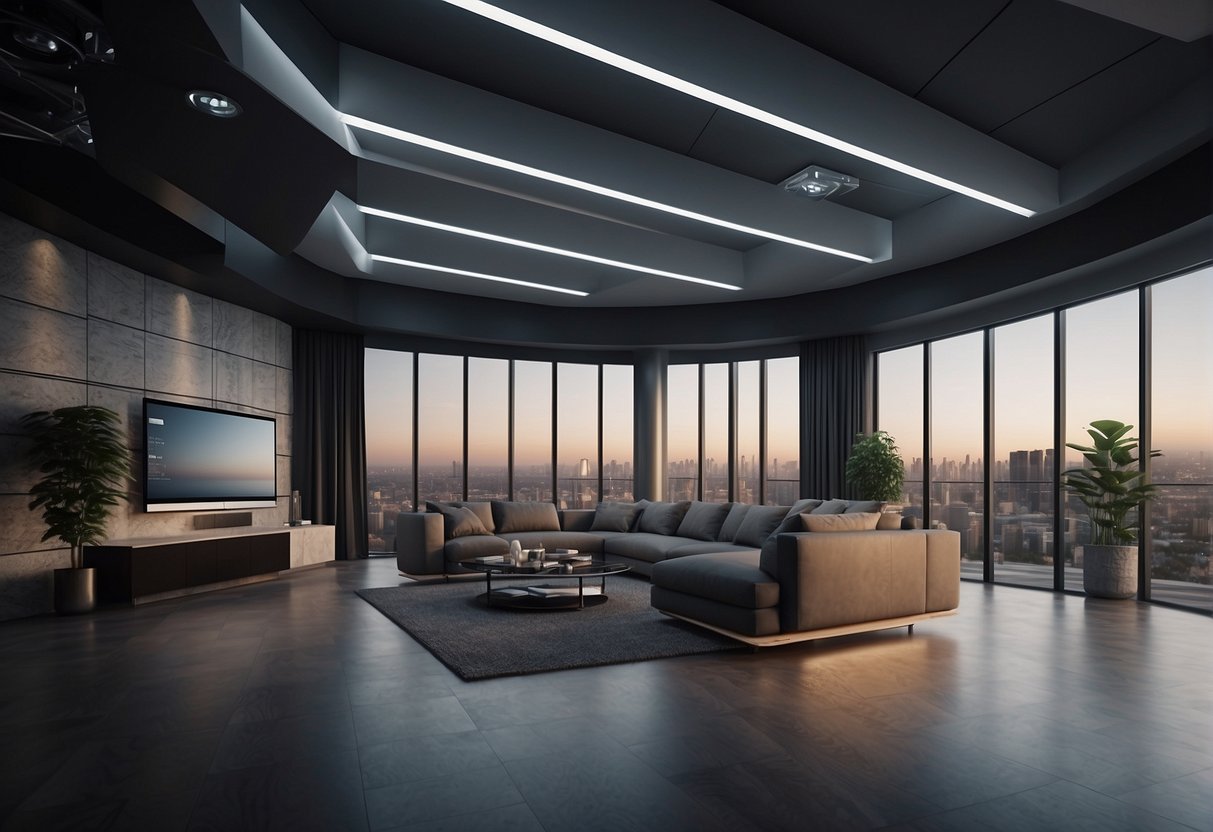
Artificial Intelligence (AI) is rapidly transforming the field of interior design. Through the integration of machine learning algorithms and innovative software, AI is revolutionizing the way designers conceptualize, create, and revolutionize living spaces.
Machine Learning and Design Evolution
Machine learning, a core component of AI advancements, is enabling a deeper understanding of design preferences and trends over time. By analyzing vast datasets, AI can now predict and evolve design trends with impressive accuracy. InteriorAI is a prime example of this, where AI algorithms assess user preferences to suggest personalized design modifications. On the other hand, tools like Dreamhouse AI and AITwo harness machine learning to refine spatial layouts and aesthetic elements in real-time, thus tailoring designs to the unique tastes of individuals.
Emerging AI Interior Design Solutions
A range of emerging AI tools are setting new benchmarks in interior design. Midjourney utilizes AI to guide users through the design process, from conceptualization to execution. Meanwhile, Dall-E and Bing Image Creator offer innovative image generation capabilities, enabling designers to visualize and tweak interiors with unprecedented ease and flexibility. These tools not only enhance the efficiency of the design process but also democratize design expertise, making professional-quality interior design more accessible to the broader public.
AI’s growing influence in interior design is evident with each advancement. Machine learning algorithms and emerging solutions continue to pave the way for enhanced creativity, efficiency, and personalization in the realm of interior spaces.
Practical Applications of AI Tools
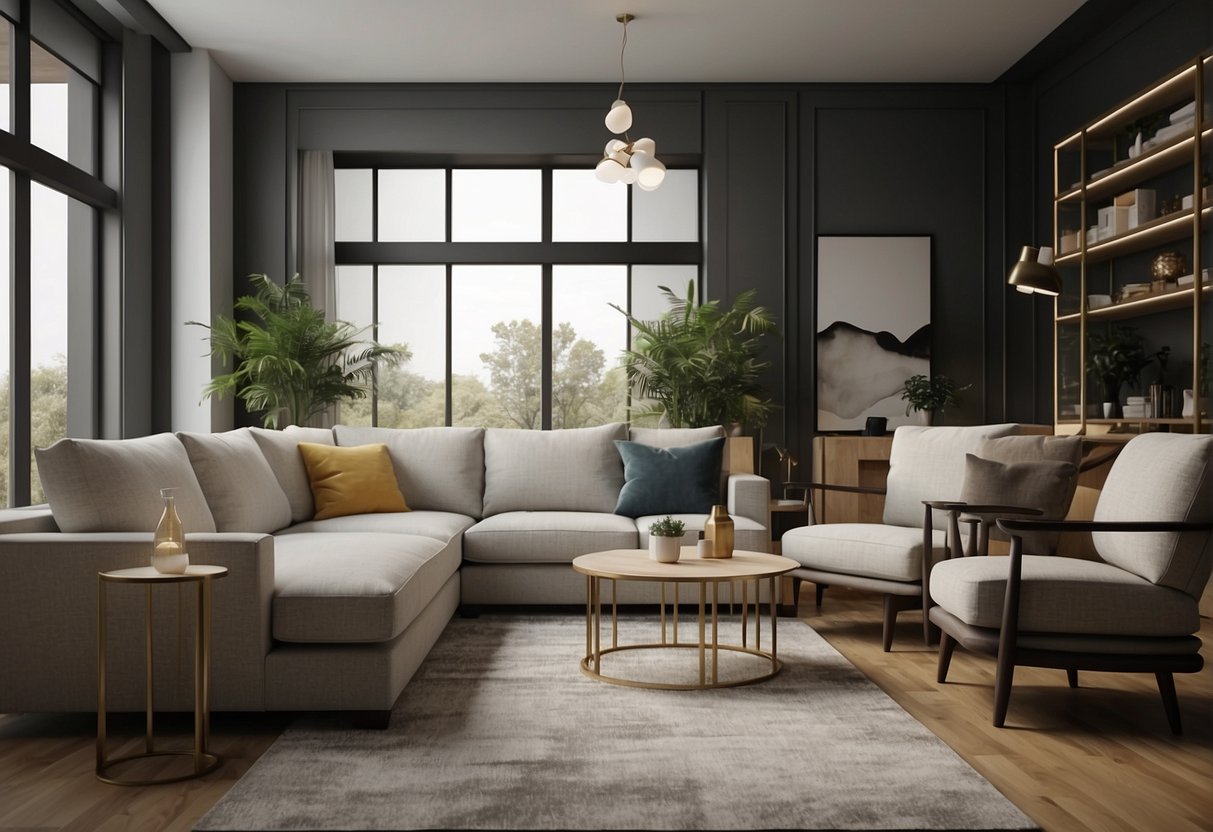
AI tools for interior design are transforming the industry by offering innovative solutions for room layouts, material selection, and interactive design. These tools can interpret space, style, and functionality, providing efficient and creative outcomes.
Room Layouts and Furniture Placement
AI-powered design generators like Homestyler and RoomSketcher reshape the way designers approach room layouts and furniture placement. They enable users to visualize room setups in both 2D and 3D, offering a comprehensive view of potential designs. AI floor plan recognition technology streamlines the process of inputting existing spaces into the software, allowing for quick modifications and real-time design changes.
Lighting Design and Space Planning
Effective space planning and lighting design are pivotal for any well-designed space. Tools such as InteriorAI use machine learning to evaluate the dimensions of a room and propose the most efficient layouts. They take into account natural light sources, artificial lighting options, and how they interact with different materials and colors within a space. This results in an optimal blend of practicality and visual appeal.
Interactive Design and Chatbots
Chatbots and smart wizards like CoolAiid elevate the customer experience by providing personalized design advice. They interact with users to understand preferences and requirements, then harness AI to generate customized recommendations. This direct, interactive element ensures that users feel guided through the process, establishing a balance between automation and human-like interaction in the realm of interior design.
Frequently Asked Questions
In this section, readers will explore common inquiries about AI tools in interior design, providing insights on software recommendations, the enhancement of design processes through AI, availability of free tools, and the capabilities of AI in selecting furnishings and planning room layouts.
What software do professionals recommend for AI-powered interior design?
Professionals often recommend Homestyler, praised for its user-friendly interface and robust 3D visualization capabilities. This platform seamlessly integrates with real furniture brands, aiding designers in creating realistic interior layouts.
How can generative AI tools enhance the interior design process?
Generative AI tools greatly enhance the interior design process by offering advanced data processing, trend forecasting, and personalized design suggestions. They streamline the design phase, allowing professionals to focus more on creativity and less on routine tasks.
Are there effective free AI tools available for home interior design?
Yes, there are effective free AI tools available. Fotor, while offering paid subscriptions, also provides free access to some of its features, giving homeowners a starting point in redesigning their spaces with AI assistance.
Can AI help in selecting furnishings and decorations for my home?
AI can significantly assist in selecting furnishings and decorations by analyzing personal style preferences and spatial dimensions to recommend items that harmonize with the room’s aesthetic and functional needs.
What are the capabilities of AI in planning and visualizing room layouts?
AI offers remarkable capabilities in planning and visualizing room layouts, including generating 3D models of interiors and simulating various configurations and lighting conditions, which helps in decision-making and error reduction before any physical changes are made.
What applications allow for interior design without requiring user registration?
Some applications allow users to experiment with interior design without the need for registration. These tools typically provide quick and easy access to basic features, empowering users to start designing with minimal barriers.