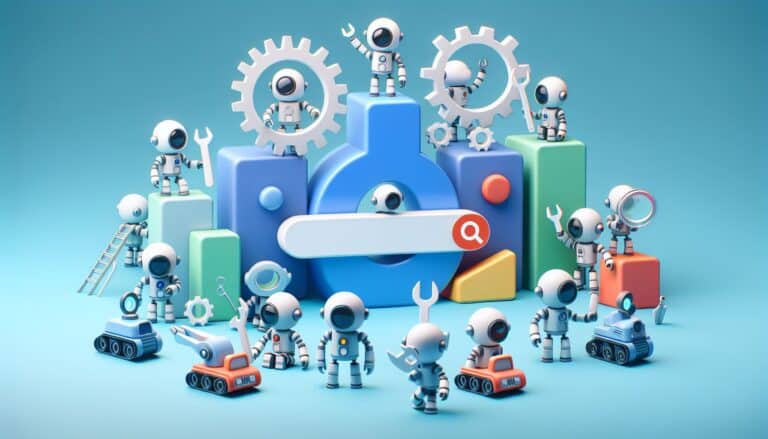
Generative AI: Unlocking Endless Possibilities in Creative Industries
Generative AI is an emerging technology that has captured the attention of researchers, businesses, and individuals alike. As a subset of artificial intelligence, it leverages machine learning models to generate realistic content such as text, images, audio, and video. The primary purpose of generative AI is to create original data that retains the characteristics of its training set without replicating it.
The development and application of generative AI models have experienced significant growth in recent years, due in part to the vast potential that it holds for various industries. Whether in creative fields like art and music, or more practical sectors such as healthcare and automotive, generative AI has demonstrated its ability to enrich human experiences and contribute to advancements across the board.
Key Takeaways
- Generative AI opens doors for creativity and innovation with realistic content generation
- Applications of generative AI span numerous industries, offering diverse benefits
- As technology advances, generative AI’s influence on multiple sectors is anticipated to grow
Understanding Generative AI
AI and Machine Learning
As an AI enthusiast, I’ve observed that generative AI is a subset of artificial intelligence that focuses on creating new content, like text, images, music, audio, and videos, based on existing data or patterns. This is made possible through the use of machine learning techniques, which have evolved over the past decade [^1^].
Large Language Models
One of the fascinating applications of generative AI lies in large language models, like ChatGPT. By learning from a massive amount of text, these models can create natural language content that closely resembles human-like writing. This way, they can assist in tasks such as content generation, conversation, translation, and more [^2^].
Synthetic Data Generation
Another domain where I’ve seen generative AI shine is synthetic data generation. Using machine learning, AI can create realistic and novel content that reflects the characteristics of the training data but doesn’t repeat it, which can be useful in various applications such as data augmentation in training models, privacy preservation, and product design [^3^].
Transformers and BERT
Over time, I’ve seen the techniques behind generative AI evolve, with transformers being the latest approach for natural language processing tasks. Transformers are a type of neural network architecture that have revolutionized the field and led to the development of models like BERT, which significantly improve the ability of AI to understand and generate human-like text [^4^].
By having a deeper understanding of generative AI – from machine learning techniques to its applications in large language models, synthetic data generation, and transformers – I can better appreciate the potential of AI and its role in shaping the world and the way we interact with it.
Applications of Generative AI
Text Generation
As a confident and knowledgeable individual, I’ve seen that Generative AI has made significant strides in text generation. It has various applications, such as chatbots and search applications, which leverage foundation models to improve human-machine interaction. Furthermore, generative pretrained transformers, like ChatGPT, can autonomously execute business and IT processes. This makes them instrumental in fields like customer support, content creation, and more.
Image Generation
Image generation is another remarkable application of Generative AI. Advanced models like DALL-E can generate visually compelling and contextually relevant images from textual descriptions. This allows artistic expression and idea visualization in ways that were previously impossible. With Generative AI, image generation can support various use cases, from advertising to entertainment, providing new means for creatives to explore novel concepts and ideas.
Music and Audio Generation
Generative AI’s range of applications extends to music and audio generation as well. Thanks to the cutting-edge technology, neural networks can now create entirely new compositions and creatively remix existing music. Tools like Google’s Magenta can generate seamless transitions and adapt audio to different styles, making it possible for musicians, game developers, and filmmakers to create unique and personalized audio experiences.
Design Innovation
In the field of design, I’ve observed that Generative AI paves the way for unprecedented levels of innovation. It can autonomously explore design spaces, iterating on existing architectures and suggesting novel alternatives. This can significantly reduce the burden on human designers. From architectural concepts to product design, Generative AI is empowering industries by offering creative and practical solutions tailored to unique challenges.
Notable Examples in Generative AI
GPT-3 and ChatGPT
In recent years, generative AI has made significant strides, and one of the most notable examples is GPT-3, which stands for Generative Pre-trained Transformer 3. Developed by OpenAI, GPT-3 is a language model that utilizes deep learning to generate human-like text based on a given prompt.
Another fascinating example is ChatGPT, which is powered by GPT-3 as well. This chatbot can generate answers to almost any question it’s asked. Its natural language understanding capabilities enable it to provide relevant and accurate responses, showcasing the potential of generative AI to transform industries like customer support and content creation.
DALL-E
DALL-E is another notable generative AI model developed by OpenAI. It specializes in image synthesis, creating visuals from textual descriptions. By using a combination of machine learning and neural networks, DALL-E can generate unique and often surprisingly accurate images based on the given input. This accomplishment demonstrates the potential of generative AI not only in text but also in visual content generation.
Bard
Bard is an example of generative AI in the field of music composition. This AI-powered tool can create original music pieces by understanding and mimicking specific styles, genres, and even the works of particular composers. This ability highlights the versatility of generative AI and its applicability in various creative domains, from text and images to music.
I hope this section provided a clear and concise understanding of some key examples of generative AI in action. The advancements in GPT-3, ChatGPT, DALL-E, and Bard showcase the immense potential of this technology, and I’m confident that it will continue to revolutionize numerous industries in the coming years.
The Impact of Generative AI on Different Sectors
Business
In the business sector, generative AI holds significant potential for increasing efficiency and innovation. These technologies enable businesses to mine vast amounts of data and use them in creative ways to solve problems. For instance, businesses can use generative AI for strategic planning, forecasting, and decision-making, enabling faster and more informed decisions The Impact of Generative AI in Finance.
Another area where generative AI is particularly powerful is marketing. By 2025, it is estimated that 30% of outbound marketing messages from large organizations will be synthetically generated, up from less than 2% in 2022 Generative AI Use Cases for Industries and Enterprises. This will likely lead to more targeted and personalized communications with customers, increasing engagement and ultimately driving sales.
Society
Generative AI has the potential to greatly impact society in both positive and negative ways. On the one hand, it can lead to significant improvements in areas such as healthcare, education, and transportation. On the other hand, there is a need to govern the diffusion and impact of these models on society and the economy more carefully Generative AI: a game-changer society needs to be ready for. Issues such as ethical boundaries, privacy, and security concerns must be addressed to ensure that the benefits of generative AI are maximized while any potential risks are mitigated.
Entertainment Industry
Generative AI is starting to make an impact in the entertainment industry, with applications such as music and content generation, video game development, and virtual reality. For example, AI algorithms can generate new music compositions, create original digital artwork, or develop engaging virtual worlds for gamers. Creatives and producers can harness AI to take their work to new heights, and audiences will benefit from unique and diverse experiences.
Science
In the field of science, generative AI has the potential to revolutionize scientific research and discovery. AI-powered simulations, for instance, can help researchers explore complex systems, like protein folding or weather patterns, with greater accuracy and efficiency. Additionally, generative AI can assist in the development of new medications by predicting the properties of potential drug candidates. This could accelerate the drug discovery process, potentially improving the treatment of diseases and other health conditions.
The Role of OpenAI and Other Companies
At the forefront of generative AI development is OpenAI, a company well-known for creating groundbreaking models like ChatGPT and DALL-E. I’ve noticed that OpenAI has garnered billions in funding from prominent donors, enabling them to host some of the world’s best computer scientists and engineers.
OpenAI’s GPT-3 deserves special mention as it is considered one of the most powerful language models ever created. It demonstrates remarkable language understanding and generation abilities. As a result, this model has paved the way for various business applications that rely on AI-generated content. However, it’s also important to remember that training GPT-3 is not a cheap endeavor, with costs estimated to be between $4 million to $12 million.
Apart from OpenAI, Amazon is another key player in this domain, offering a suite of AI services to make it easier for businesses and developers to implement AI-enhanced features.
The advancements in generative AI have opened up several opportunities for businesses, from automating tasks to enhancing human capabilities. For instance, generative AI now empowers organizations to create visually appealing and impactful content rapidly and efficiently, allowing them to stand out in a crowded marketplace.
As the technology continues to develop, I can’t help but acknowledge the potential impact of generative AI on various industries. It is inspiring to see how companies like OpenAI and Amazon push the boundaries and pave the way for AI adoption across different sectors.
Case Studies: Generative AI in Practice
Automation and Efficiency in Workflows
I have observed that generative AI’s potential to revolutionize industries through automating and enhancing workflows leads to significant improvement in efficiency. In the McKinsey Global Survey, one-third of respondents mentioned that their organizations are already using generative AI in at least one business function. This shows how businesses are embracing generative AI to streamline their processes and save resources.
User Experiences with AI Technology
In my experience with generative AI, one of the most impressive aspects is its ability to improve user experiences. For instance, AI-driven recommendation systems in platforms like Amazon or Netflix offer personalized suggestions to users based on their browsing history and preferences. This enhances users’ overall satisfaction and makes them feel more connected to the service.
Another great example of AI-generated user experiences is found in gaming. Developers are now using generative AI-powered algorithms to build more immersive game environments, complete with procedurally generated landscapes, characters, and even storylines. With this level of personalization, players can interact with environments tailored specifically for them, leading to a richer gaming experience.
Voice Assistants and Chatbots
I have also extensively engaged with voice assistants and chatbots empowered by generative AI. Thanks to natural language understanding (NLU) and natural language generation (NLG) capabilities, these tools can provide accurate and relevant information to users while maintaining fluid, human-like conversations.
From Siri and Amazon’s Alexa to advanced customer service chatbots used by companies, generative AI plays a pivotal role in improving communication between machines and humans. I have personally experienced better interaction with AI systems, including reduced waiting times for customer support and greater efficiency in obtaining information.
Practical Challenges and Considerations in Generative AI
Generative AI has immense potential, but there are several challenges and considerations that I need to be aware of when implementing or using these technologies. In this section, we’ll discuss some of the key issues which include Cost and Access, Bias and Accuracy, Data Privacy and Security, and Intellectual Property.
Cost and Access
One of the primary challenges in Generative AI is the cost and access to the necessary resources for training and deploying AI models. Generating unique content often requires large amounts of computational power and storage, which translates to increased expenses. Additionally, access to cutting-edge AI technology and platforms can be limited and may require significant investments. It’s essential to thoroughly evaluate the costs associated with implementing Generative AI to ensure that it aligns with my project’s budget and priorities.
Bias and Accuracy
Ensuring the accuracy and unbiased nature of Generative AI outputs is another critical consideration. The models I train depend on the quality and diversity of the data used, which means that bias present in the data will be reflected in the AI’s outputs. Being aware of potential biases and working towards reducing them can improve the quality and reliability of the generated content. Moreover, striking a balance between creativity and adhering to existing patterns is crucial for achieving accurate results that still feel fresh and innovative.
Data Privacy and Security
As Generative AI relies on vast amounts of data for training, I need to be mindful of data privacy and security concerns. Ensuring that the data used for training is obtained ethically and respects the privacy of individuals and organizations is paramount. Additionally, securing the data storage and processing infrastructure to prevent unauthorized access is equally crucial. Taking measures to protect sensitive information and comply with data privacy regulations, such as GDPR, can help mitigate potential risks associated with data privacy and security in Generative AI.
Intellectual Property
The question of ownership and intellectual property is an evolving challenge in the world of Generative AI. Since AI systems are capable of creating unique content, it raises concerns about copyright infringement and ownership of the generated content. I need to remain aware of existing intellectual property laws and possible changes in the future that may impact the use and ownership of content generated by AI systems. Establishing clear guidelines on the use and dissemination of AI-generated content can help avoid legal issues and protect the intellectual property rights of all parties involved.
The Future of Generative AI
As a researcher in the field of AI, I believe generative AI will play a significant role in shaping the future of technology and society. This form of artificial intelligence has already shown great potential in transforming industries and providing innovative solutions across various domains. From my experience, generative AI has pushed the boundaries of AI innovation, enabling machines to create content, code, and even art that humans were once solely responsible for.
In the coming years, I expect generative AI to revolutionize industries, as showcased in the explosive growth of gen AI tools. For instance, the education sector might witness the widespread use of AI-powered chatbots, capable of engaging in informative and interactive conversations with students, as mentioned in The New York Times. This innovation will not only enhance the learning experience but also elevate the accessibility of educational resources.
The impact of generative AI isn’t limited to the education sector; it is also transforming the creative and business domains. As an AI enthusiast, I find it fascinating that generative AI is set to enhance the work of STEM, creative, and business professionals by automating certain processes and enabling us to focus on high-level tasks. While there is a concern about job elimination, I believe generative AI will lead to the evolution of jobs rather than their outright destruction.
Keeping a neutral perspective, it is crucial to consider the ethical implications of generative AI. The potential misuse of AI-generated content cannot be ignored, and it is essential for the AI community to work together in developing guidelines and regulatory measures to ensure a responsible and ethical use of this groundbreaking technology.
In conclusion, as an AI researcher, I am confident that generative AI will continue to shape our future. It will not only redefine the way we approach innovation but also help us unlock new possibilities across various industries, transforming the world as we know it.