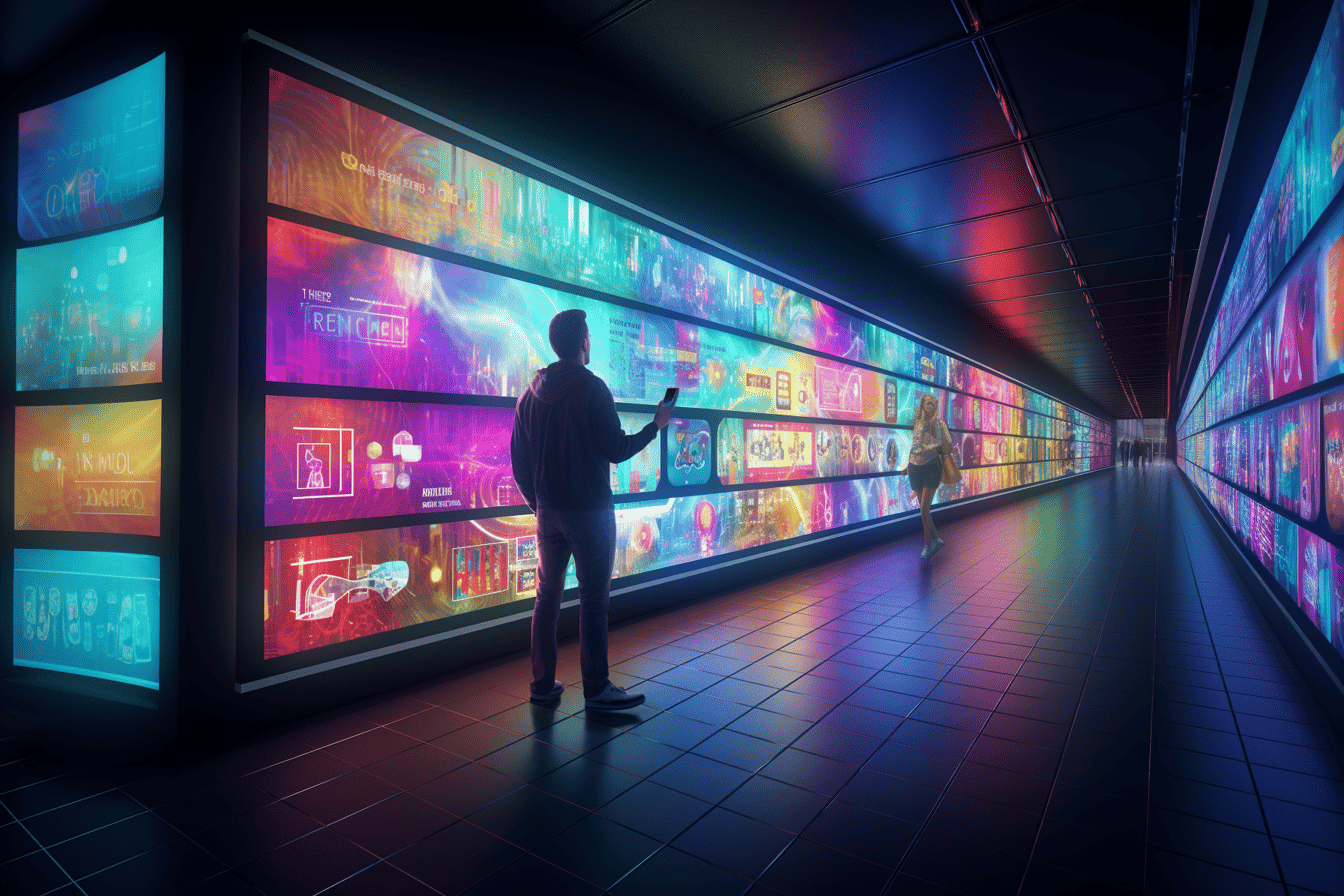
AI in Advertising: Revolutionizing the Industry with Data-driven Strategies
Artificial intelligence (AI) has made significant strides recently, and its impact on various industries is no exception. In the realm of advertising, AI can bring a competitive advantage to campaigns through improved user experiences and reduction in human error. As technology progresses, AI opens new avenues for advertisers to streamline their processes and make smarter decisions based on historical data.
One key aspect of AI in advertising is the potential for creating more personalized and engaging ad experiences. By analyzing consumer behavior and preferences, AI-driven analytics can generate insights that help advertisers create targeted content and messaging. Additionally, AI tools and platforms are making it easier for marketers to implement AI-based strategies, ultimately optimizing ad placement and improving overall campaign performance.
As with any emerging technology, there are challenges and considerations to take into account when incorporating AI into advertising efforts. Understanding the implications of AI in advertising, as well as its potential future developments, is crucial for advertising professionals to stay ahead of the curve and maximize the benefits of this innovative technology.
Key Takeaways
- AI brings competitive advantages to advertising through improved user experiences and smart decision-making.
- The use of AI-driven analytics leads to more personalized ad experiences and optimized ad placement.
- Considering challenges and future developments in AI helps advertising professionals stay ahead in the industry.
Implications of AI in Advertising
In recent years, the incorporation of AI in advertising has revolutionized the way campaigns are created and executed. With the help of AI, digital advertising has become more effective, resulting in better targeting, optimization, and personalization of ads.
One of the primary benefits of AI in advertising is that it helps improve user experiences. By analyzing vast amounts of data, AI can provide insights into consumers’ preferences and behavior, allowing advertisers to create customized content tailored to each individual. As a result, people are more likely to engage with ads relevant to their needs and interests, increasing the likelihood of conversion and improving the overall ROI for the advertising industry.
Moreover, AI-powered tools are also capable of analyzing and optimizing advertising strategies in real-time, quickly adapting to changes in audience behavior. This level of advanced automation not only enhances the efficiency of campaigns but also reduces the possibility of human error. As AI continues to become a prominent part of the advertising landscape, companies that embrace it will have a competitive edge over those who don’t.
Another significant impact of AI in advertising is its ability to process and derive insights from immense amounts of data. This capability can help marketers make more informed decisions when planning their campaigns, identifying trends, and evaluating their performance. Armed with these insights, marketers are better positioned to create meaningful connections with their target audience.
In conclusion, the adoption of AI in the advertising industry has numerous implications, including improved user experiences, efficient campaign optimization, and more accurate targeting. As organizations continue to embrace and invest in AI technology, it’s clear that AI has the potential to revolutionize the way they conceptualize and execute advertising campaigns for years to come.
Role of AI in Ad Creation and Placement
Transforming Creativity in Advertising
As an advertising professional, I’ve seen firsthand how AI has revolutionized the creative process in advertising campaigns. One of the ways it does so is by analyzing enormous amounts of data to understand user preferences, trends, and behaviors. This information helps me in crafting powerful and personalized ad copy, which in turn improves the effectiveness of ads.
In addition, AI-powered tools assist me in creating visually appealing ads by providing design suggestions, color palettes, and layout options that are tailored to the target audience. By automating certain aspects of the creative process, I can focus more on delivering a message that resonates with the audience and drives results.
Enhancing Ad Performance
AI also plays a significant role in improving ad performance and optimizing advertising campaigns. For instance, I can use AI algorithms to discover the best combinations of ad creatives, placements, and targeting options that yield the highest return on investment.
Moreover, AI helps me deliver contextual advertising, ensuring that ads are served based on the user’s interests, online behavior, and the context of the content they are consuming. This not only boosts ad relevancy, but it also enhances user experiences, leading to improved ad effectiveness.
In conclusion, the integration of AI in advertising has allowed me to create more impactful campaigns and achieve better results. From transforming ad creativity to enhancing ad performance, AI has become an indispensable tool for driving success in today’s fast-paced advertising landscape.
AI-Driven Advertising Analytics
Data Gathering and Insights
As an expert in the AI-driven advertising field, I’ve observed how the use of artificial intelligence has revolutionized the way data is collected and analyzed. Traditional advertising analytics usually involved manual data collection and interpretation, which was prone to errors and limitations in speed and accuracy. However, with the use of AI, we can now process vast amounts of data – commonly referred to as big data – allowing for faster and more accurate insights to be gained.
One key advantage of AI-driven analytics is the ability to draw actionable insights from all available information sources. For instance, AI can process data from various touchpoints such as user behavior, demographics, and online interactions, allowing marketers to identify patterns and trends to make smarter decisions based on these insights. In this way, AI-powered data gathering leads to more effective ad targeting and personalized advertising experiences.
Optimization Using AI
The power of AI doesn’t end with data gathering and insights. Beyond that, AI has the impressive ability to optimize advertising campaigns based on the data it analyzes. In my experience, I’ve noted how AI can dynamically adjust ad creatives, bidding strategies, and targeting methods in real-time, all with the aim of maximizing the campaign’s performance and return on investment.
One notable application of AI in optimization is the use of predictive analytics, which analyzes historical data to forecast future outcomes. By leveraging this technology, AI-enabled advertising platforms can identify opportunities and potential issues before they arise, empowering marketers to address these proactively and increase the overall efficiency of their campaigns.
By incorporating AI-driven advertising analytics into marketing strategies, organizations unlock a more effective and competitive approach to advertising. Through improved data gathering and insights, as well as optimization using AI, marketers can efficiently reach their target audiences with precision and measurable results. In my opinion, the adoption of AI in advertising is not only a game-changer but an essential step towards better marketing outcomes.
AI and Personalized Ad Experiences
Audience Segmentation with AI
In my experience, AI is a powerful tool for audience segmentation, which is essential for effective ad targeting. Using machine learning algorithms, AI can quickly analyze large amounts of data to identify patterns and trends among consumers. This information allows me to segment audiences based on shared characteristics, such as demographics, interests, and behaviors. By doing so, I can more effectively target advertising efforts, leading to higher engagement and overall campaign success.
Creating Personalized Ad Experiences
Personalized ad experiences are crucial for connecting with consumers on a deeper level, and AI plays a pivotal role in making this a reality. AI-driven ad platforms can analyze user patterns and preferences to determine which ad creative and messaging will resonate most with each unique individual. As a result, I can tailor my advertising efforts to appeal to specific segments of my audience, ensuring that my ad campaign is relevant, engaging, and contextually appropriate.
Furthermore, AI also enables me to optimize ad placements within web pages, videos, and images. By leveraging AI’s ability to analyze content across various formats, I can identify the ideal ad spots on a page to maximally capture my target audience’s attention. This, combined with personalized ad creative, helps me deliver highly relevant and engaging advertisements that drive results.
By using AI for audience segmentation and creating personalized ad experiences, I can develop and execute advertising campaigns that are more efficient and effective. As a result, my audience encounters ads that are relevant to their preferences, greatly enhancing their overall experience with my brand.
AI Advertising Tools and Platforms
IBM Watson: A Case Study
As a content creator exploring AI in advertising, I’ve seen how these inventive tools can reshape the way we create ad campaigns. One example that stands out is IBM Watson Advertising, which leverages advanced AI technology to make smarter decisions based on historical data.
IBM Watson Advertising allows marketers like me to develop strategies that anticipate buyer’s next moves. It simplifies the process of buying and placing digital ads in real-time by turning vast amounts of user data, ad inventory availability, and campaign budgets into actionable insights.
Other Prominent AI Tools in Advertising
Apart from IBM Watson Advertising, I’ve come across various platforms utilizing AI in the advertising sphere. These tools help improve customer engagement, conversion rates, and other important metrics. Below are some of the more prominent ones:
- Programmatic Advertising Platforms: Such platforms allow for better ad placement and targeting based on real-time user data. Some of these platforms include AppNexus, The Trade Desk, and MediaMath.
- AI-Driven Ad Creation Tools: These tools aid in creating customized ads for various channels. For instance, Copy.ai helps create unique and engaging ad content backed by AI technology.
- AI Marketing Tools: Incorporating AI in marketing tools enables companies to gain valuable insights and make data-driven decisions. One example is Hubspot, which uses machine learning algorithms to improve marketing automation and lead scoring.
In conclusion, my experience in the field has shown me that AI technology is revolutionizing the advertising landscape. IBM Watson Advertising is just one amongst several AI tools and platforms that enable more efficient and targeted ad campaigns. By leveraging AI, we can consistently improve our strategies and achieve better results.
AI and Advertising: Challenges and Considerations
In this section, we will discuss some of the challenges and considerations that AI brings to the world of advertising.
Data Privacy and AI
As AI-powered advertising becomes more prevalent, data privacy concerns arise. Advertisers rely on large amounts of data to inform their AI systems. Ensuring that this data is handled responsibly and in compliance with data protection regulations like the GDPR becomes vital. Many consumers are increasingly aware of their rights related to data privacy, and advertisers must adapt to this reality to maintain their trust. It is essential for me to be transparent about the data collection and usage practices while implementing AI solutions in advertising.
Evaluating AI’s Effect on Creativity
Another challenge comes in the form of balancing AI’s capabilities with the need for human input and creativity in advertising. AI, with its ability to analyze vast amounts of data and deliver targeted content, can help in creating more personalized advertisements. However, it may have the unintended effect of stifling human creativity in the process. As an expert in AI and advertising, it is my responsibility to ensure that AI serves as a tool for enhancing creativity rather than replacing it. By combining the strengths of AI with human intuition and insight, we can create more effective and engaging advertising campaigns.
The Future of AI in Advertising
In the coming years, we can expect AI to play an even more significant role in advertising. The rapid advancements in machine learning algorithms and natural language processing are fueling this growth. These technologies make it possible for AI to understand complex patterns and behaviors, which will lead to smarter and more effective advertising strategies.
One key area where AI is proving to be highly beneficial is programmatic advertising. AI-powered algorithms can analyze vast quantities of data and make real-time decisions on the most effective ad placements. This will not only result in more efficient ad spend but also increase the chances of reaching the right audience at the right time.
Another important aspect of AI’s future in advertising is its potential to improve conversational marketing. With advancements in natural language processing, AI can engage with consumers through chatbots and voice-activated virtual assistants. This allows for more personalized and interactive communication between brands and their audience, creating a stronger connection and potentially increasing sales.
Deep learning, a subset of machine learning, is also poised to reshape the advertising landscape. By processing and analyzing large amounts of data, deep learning can identify hidden patterns and relationships that would otherwise go unnoticed. For advertisers, this means more accurate targeting and the ability to predict consumer behavior with increased precision.
As AI continues to advance and become a more prominent fixture in advertising, I believe that the industry will continue to evolve and adapt, making the most of these cutting-edge technologies. Embracing AI and its various applications will greatly benefit advertisers, allowing for more targeted and engaging campaigns that stand out in an increasingly cluttered and competitive market.