
AI for Seniors: Enhancing Daily Life with Smart Technology
The rapid advancement of artificial intelligence (AI) has the potential to transform the way we approach senior care.
With a growing population of older adults, technology adoption is crucial in ensuring that the needs of seniors are met with compassion and efficiency.
AI for seniors provides innovative solutions to the challenges they face daily, from aiding in health management to enhancing their safety and independence.

Utilizing AI, elderly individuals can experience improved quality of life through various applications tailored to their needs.
Mental well-being is often at the forefront, with AI-driven tools being developed to help combat loneliness and provide cognitive support, ensuring that seniors are not only cared for physically but also mentally.
At the same time, AI technology assists caregivers in monitoring health more effectively and responding to emergencies, thus making independent living for seniors more viable and safe.
Key Takeaways
- AI significantly enhances quality of life for seniors by improving health management and promoting independence.
- Innovative AI tools provide mental wellness support and combat loneliness among the elderly.
- Safe and secure living environments are achievable for seniors through the implementation of AI technologies.
The Role of AI in Combatting Loneliness Among Seniors

Artificial intelligence (AI) is increasingly recognized as a powerful tool to address the challenges of loneliness and social isolation among the senior population.
AI-driven virtual companions can provide meaningful interactions, fostering a sense of companionship and enhancing seniors’ quality of life.
Virtual Companions and Conversations
AI technology has led to the creation of virtual companions that offer conversation and engagement for seniors who experience isolation.
These companions can mimic human interaction, providing responses to statements and questions, which contributes to a feeling of connection for many seniors.
The interactions with AI can range from simple daily greetings to more complex discussions that help keep the seniors’ minds active and engaged.
- Interaction Styles:
- Daily Check-Ins: AI can initiate routine conversations and wellness check-ins.
- Interest-Based Discussions: Tailoring conversations to seniors’ interests and hobbies.
The use of sophisticated natural language processing allows these AI systems to not only understand spoken language but also detect emotional nuances. This can make interactions feel more authentic and meaningful.
Enhancing Social Engagement Through AI
In addition to providing companionship, AI also has the potential to enhance social engagement by connecting seniors with like-minded communities and enabling them to participate in virtual activities.
- Social Connections:
- Community Portals: Platforms that link seniors with group activities based on shared interests.
- Family Interaction: Simplifying digital communication with friends and family members.
AI-driven platforms can facilitate interactions that may otherwise be physically or logistically difficult for seniors, thus mitigating feelings of social isolation and improving their overall well-being.
AI and Health Management for the Elderly
Artificial intelligence (AI) is an influential factor in advancing health management for the elderly, offering sophisticated health monitoring and supporting caregivers.
It provides vital contributions to chronic disease management through AI-driven devices, enhancing the overall quality of senior care.
Health Monitoring and Caregiver Support
AI applications have transformed health monitoring by enabling continuous, non-intrusive surveillance of vital signs in the elderly.
Devices such as wearables can detect abnormalities in heart rate or sleep patterns, alerting caregivers to potential health issues.
This innovative approach to elder care offers support for caregivers, as AI systems can synthesize collected data, providing actionable insights and freeing up time for more urgent care needs.
For instance, an AI-enhanced intervention can help in identifying deteriorations in health status, reducing the need for constant direct supervision and facilitating better resource management within healthcare settings.
AI-Driven Devices for Chronic Disease Management
Managing chronic diseases requires consistent attention, and AI-driven devices have become instrumental in this regard.
Wearable technology can track physiological parameters such as blood pressure and glucose levels, providing real-time data that is crucial for the health management of conditions like diabetes or hypertension.
These AI-driven devices not only empower the elderly with better self-care but also inform healthcare providers with detailed health profiles that can lead to personalized care plans.
In these ways, AI is ensuring that senior care is more proactive and tailored, leading to potentially better health outcomes.
Safety and Security for Seniors Using AI
Artificial Intelligence (AI) is reshaping the landscape of elderly care, especially enhancing safety and security through innovative technologies.
These AI systems proactively aid in the prevention of accidents and ensure privacy, making daily life safer for seniors.
Home Monitoring and Fall Detection Systems
Home monitoring and fall detection systems represent a monumental leap in safety for seniors.
These systems utilize a range of sensors and AI algorithms to detect unusual movements or potential falls in real-time.
For instance, smart floor sensors and wearable devices can alert caregivers or medical personnel in case of a fall, thus reducing the response time and potential for serious injury.
Example of AI-Powered Home Monitoring Devices:
- Wearable wristbands
- Motion sensors
- Cameras with motion detection
Privacy Concerns related to home monitoring are taken seriously, with the latest systems employing encryption and secure data practices to protect sensitive information.
Privacy and Security Issues in AI Usage
When implementing AI in elder care, it is essential to balance security measures with privacy rights.
Seniors’ personal data is protected through stringent security protocols such as encryption, secure user authentication, and regular privacy audits.
However, challenges arise in ensuring these technologies do not infringe upon an individual’s personal space. Continuous privacy assessments and transparent data policies are steps toward maintaining trust and integrity within AI user systems designed for the elderly.
Critical Aspects of AI Security for Seniors:
- Data encryption
- Secure user authentication
- Regular privacy audits
Facilitating Independent Living Through AI
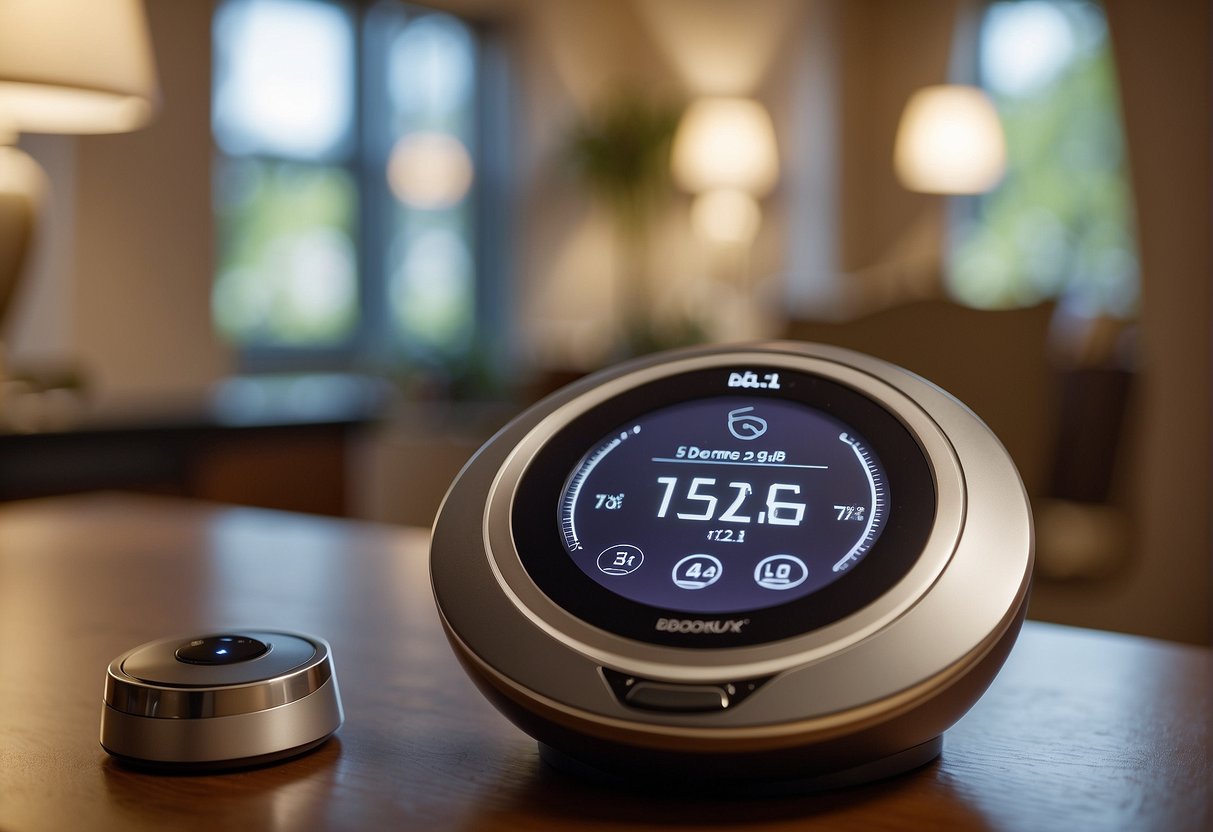
Artificial Intelligence (AI) is significantly shaping the landscape of independent living for seniors. It is enhancing accessibility to essential services and empowering them with greater autonomy.
Smart Assistants and Accessibility Solutions
Smart assistants are paving the way for empowered independent living.
These AI-driven devices act as virtual assistants, responding to voice commands and enabling seniors to control their environment.
They can manage everything from lights to thermostats, all tailored to individual preferences and accessibility needs.
For example, a senior with visual impairments might use a smart assistant to read aloud the news, call friends, or even prompt reminders for medication.
Mobility and Transportation Aids
AI is also revolutionizing mobility and transportation for the elderly.
Innovations such as self-driving cars offer potential transportation solutions that prioritize safety and reliability.
AI-powered mobility aids can help navigate indoors or in crowded areas, giving seniors the confidence to move freely and maintain their social connections.
This technology supports the idea of aging in place, reducing the reliance on human assistance for transportation needs.
AI and Cognitive Support

Artificial intelligence is playing a crucial role in supporting the cognitive well-being of seniors.
Systems ranging from interactive chatbots to sophisticated cognitive training programs are helping to mitigate the effects of cognitive decline.
Chatbots and Their Role in Mental Health
Chatbots, with advanced conversational capabilities, are providing daily companionship and mental health support to seniors.
These AI-powered chatbots are designed to understand human emotions and offer empathetic responses.
Seniors can engage in conversation with these chatbots at any time, which can alleviate feelings of loneliness and provide a sense of continual support.
Cognitive Training and Stimulation Tools
To combat cognitive decline, various AI-driven cognitive training and stimulation tools are available.
These tools often provide personalized brain training programs tailored to an individual’s cognitive needs.
By regularly engaging with these platforms, seniors can improve their cognitive function and maintain their mental agility.
Gerontologists are recognizing the value of these AI-powered tools in promoting mental health and sustaining cognitive abilities in older adults.
Learning and Interaction with AI for Seniors

Artificial Intelligence (AI) has transformed the way seniors interact with technology, offering them a chance to overcome obstacles often associated with learning and using new digital tools.
This section will examine how AI influences the educational experiences of older adults and the role it plays in narrowing the digital literacy gap.
Bridging the Digital Divide for Seniors
The digital divide refers to the gap between those who have easy access to computers and the internet, and those who do not.
For many seniors, this gap results from a variety of factors, including limited experience with technology.
AI-driven solutions are now enhancing digital literacy among older adults by providing simplified interfaces and voice-guided interactions.
These advancements allow seniors to navigate digital spaces with greater ease and confidence.
For example, AI-powered platforms such as AI and Digital Literacy: Empowering Senior Citizens Through Tech offer tailored content and pacing that cater to the individual learning needs and preferences of older users.
Education and Learning Platforms
Education for seniors has been revolutionized by the introduction of AI-driven learning platforms. These platforms offer a range of courses tailored to various interests and skill levels.
As detailed on How Seniors Can Use AI in 2024, AI can adapt teaching methods to suit individual learning styles, which makes acquiring new knowledge not only more accessible but also more enjoyable for older adults.
Interactive features such as quizzes, virtual instructors, and the ability to track progress in real-time contribute to a structured yet flexible learning experience.
Whether it’s for mastering a new language, understanding current technologies, or exploring hobbies, these education platforms are key tools in empowering seniors through learning.
Technological Innovations and Trends in AI for Seniors

In the realm of eldercare, artificial intelligence (AI) and age tech are expanding the horizons for senior living, with a focus on intuitive solutions and personalized care through wearables and sensor technology.
Wearable Tech and Sensor Innovations
Wearable technologies for seniors are advancing rapidly, encompassing a variety of devices designed to monitor health vitals and provide emergency support.
Innovations in sensor technology are a critical component, enabling real-time health monitoring and predictive analytics.
These sensors are increasingly non-intrusive and integrated within everyday items, such as wristwatches or clothing, making them more acceptable and comfortable for elderly users.
- AI-Driven Solutions: Devices equipped with machine learning algorithms analyze data from sensors to detect deviations in health patterns, possibly preventing emergencies.
- Wearables: Offer features like fall detection, heart rate monitoring, and reminders to take medications, contributing to safer independent living.
With companies like the Israeli company Intuition Robotics, seniors are gaining access to products like ElliQ—a friendly AI companion designed to reduce feelings of loneliness and foster greater engagement.
Age Tech and the Future of Senior Living
Age Tech refers to technology specifically designed to meet the needs of older adults, enhancing their capacity to live independently and maintain a high quality of life. In this space, AI-driven solutions are being crafted not just for health management, but for broader aspects of wellbeing.
- Intuitive Interfaces: Devices and systems are becoming more user-friendly so seniors feel an increased sense of agency when adopting new technology.
- Collaboration with Agencies: Initiatives that bring together technology providers, healthcare agencies, and senior care facilities are crucial in shaping a future where technology is seamlessly integrated into senior living environments.
With continuous innovation, the trajectory of AI in senior care is poised to transform aging, making it a period of life that is not only safer but also more connected and fulfilling.
Practical Advice for Implementing AI Solutions

When integrating AI solutions for senior citizens, it’s crucial to focus on personalization and ease of technology adoption. Here are specific strategies to ensure effective implementation.
Selecting the Right AI Tools for Individual Needs
To serve the diverse needs of seniors, including baby boomers, it’s important to choose AI tools that align with their lifestyle and health requirements. For instance:
- Health monitoring devices: Select tools that provide regular health updates and alerts. A device offering medication reminders could be beneficial for seniors managing multiple prescriptions.
- Cognitive assistance: Look for AI tools that can aid in everyday tasks such as scheduling appointments or providing memory prompts.
Encouraging the Adoption of New Technologies
Increasing technology adoption among senior citizens requires patience and tailored coaching methods, such as:
- Technology coaching: Offer technology coaching sessions designed specifically for seniors, focusing on one-on-one interactions for personalized learning experiences.
- Voice-activated assistants: Introduce seniors to voice-activated assistants like Google Assistant as they often have user-friendly interfaces that are easier to navigate without advanced tech skills.
By addressing individual needs and facilitating gradual technology adoption, AI tools can significantly enhance the quality of life for senior citizens.
AI Ethical Considerations and Senior Empowerment

Integrating AI into the lives of seniors requires careful ethical consideration to enhance their well-being and maintain their autonomy. This section examines the delicate balance between leveraging AI for empowerment and ensuring ethical usage.
Ethical Use of AI and Respecting Autonomy
AI solutions in senior care prioritize privacy and ethics through transparent AI algorithms.
It is crucial to ensure these technologies respect the autonomy of older adults, rather than diminish it.
Privacy safeguards are a fundamental aspect, as AI interacts with sensitive health and personal data.
The implementation must be conducted in a manner that seniors can maintain control over their choices and preferences, which is vital to uphold their sense of independence.
Empowering Seniors in a World of AI
AI has the potential to significantly empower seniors by enhancing their access to information and services tailored to their abilities and needs.
Empowerment through AI includes accessible technologies that support physical and cognitive functions, thus boosting their confidence in utilizing digital tools.
This empowerment not only provides practical assistance but also keeps seniors engaged and connected to their communities and loved ones, reinforcing their active participation in society.
Frequently Asked Questions
These questions cover essential information about the integration and benefits of AI technology in enhancing the quality of life for the elderly.
How can AI technology assist in monitoring the health of elderly individuals?
AI technology provides continuous health monitoring, alerting caregivers to changes in an elderly individual’s condition.
Systems can track vitals and identify patterns that may indicate health issues, thus enabling timely interventions.
What are the advantages of using AI companions for senior citizens?
AI companions offer social interaction and emotional support to senior citizens, helping to alleviate feelings of loneliness.
These companions can also remind them to take medications and keep appointments, promoting better compliance with health regimes.
How do AI-powered robots help in elderly care?
Robots equipped with AI can assist the elderly with tasks such as mobility, carrying items, or providing cognitive stimulation through games and conversations, thus enhancing their independence and quality of life.
What should caregivers know about implementing AI in elder care practices?
Caregivers should be aware of the types of AI tools available, their potential benefits, and the necessary training to make the best use of these technologies in elder care.
It’s important to choose AI solutions that are user-friendly and match the specific needs of the elderly they support.
What developments are on the horizon in elder care technology involving AI?
Advanced AI tools, which include the likes of intelligent homes and voice-activated systems, are constantly being developed to improve safety and offer more effective elderly care.
How does AI contribute to the field of geriatrics and the well-being of seniors?
AI in geriatrics aids practitioners in diagnosing and treating age-related conditions more effectively.
It analyzes vast amounts of medical data to provide insights into senior health care and personalize treatment plans for better outcomes.