AI Chips: Revolutionizing Speed and Efficiency in Tech Innovations
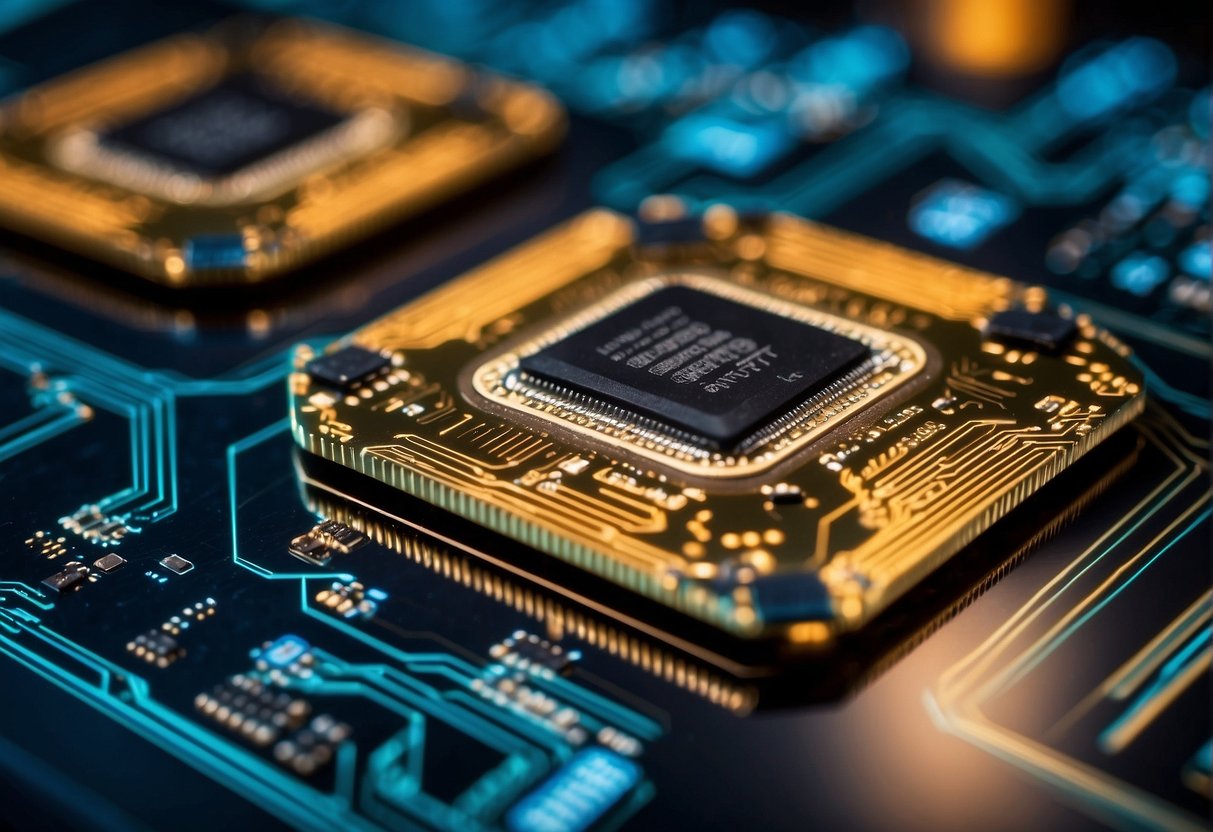
Artificial intelligence has always been at the forefront of technological advances, and its impact grows as it becomes more integrated into various industries. At the core of this AI revolution are AI chips, specialized processors designed to efficiently handle the complex calculations that AI systems require. These chips differ from standard CPUs by being optimized for the parallel processing and computational intensity of AI tasks, enabling faster and more efficient performance.
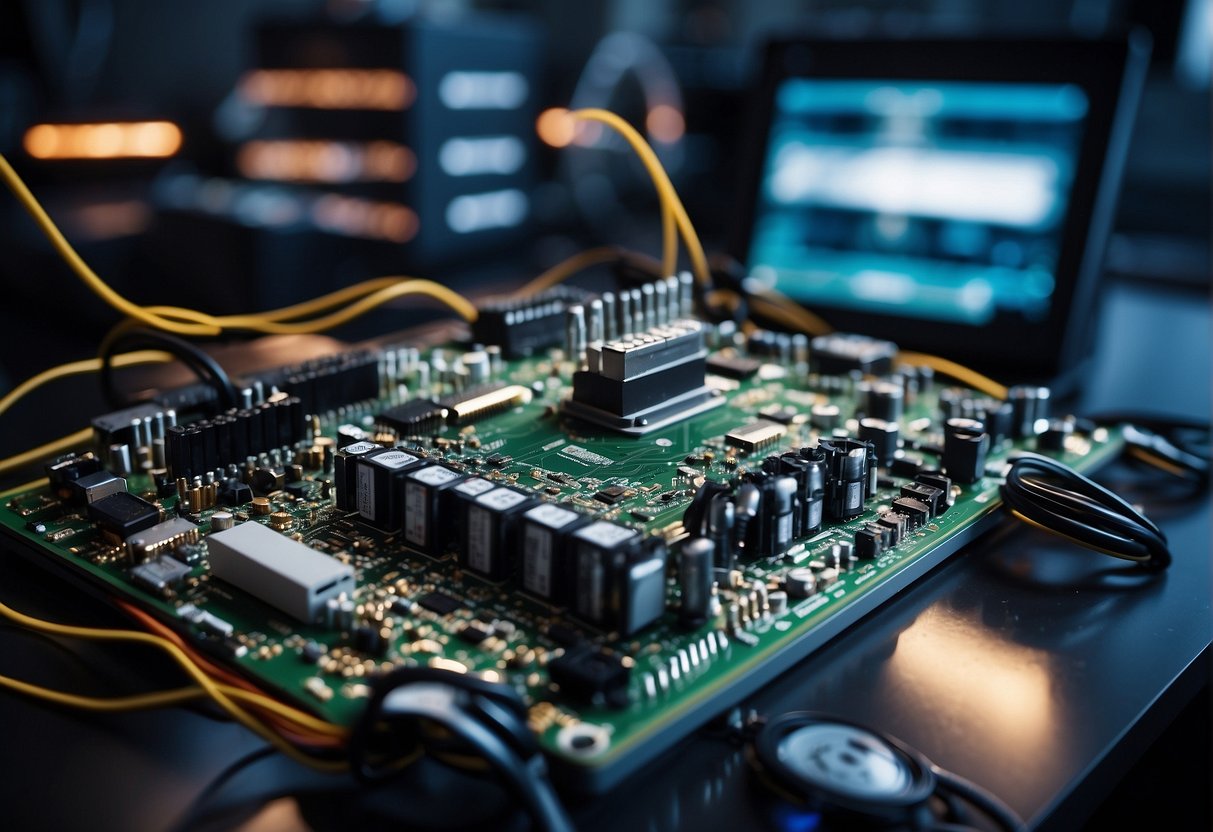
In practical terms, AI chips allow for sophisticated capabilities in machines that were previously limited to human intelligence. Their uses span a plethora of applications, from smart appliances and self-driving cars to advanced medical diagnostics and personal assistants. As the demand for AI capabilities increases, the development of AI chips has become a competitive space with tech giants and startups alike investing heavily in new architectures and technologies. This industry’s swift evolution is driven by a need for energy efficiency, speed, and the miniaturization of technology, thus pushing the envelope of what’s possible with artificial intelligence.
Key Takeaways
- AI chips are dedicated processors designed to efficiently run AI applications, enabling rapid advancements in technology.
- Their use in various industries highlights the significant role of emerging technology in driving innovation and efficiency.
- The AI chip market is dynamic, with ongoing technological innovations and investments shaping the future of artificial intelligence.
Fundamentals of AI Chips
Artificial intelligence chips, also known as AI chips, are specialized silicon chips designed to efficiently process AI tasks. Their architecture is typically optimized for the high-speed execution of AI algorithms.
Understanding AI Chips
AI chips are distinct from general-purpose CPUs in that they are specifically engineered for tasks involving artificial intelligence. They excel in handling complex computations like those found in neural networks, offering faster processing for machine learning applications. These chips often form the backbone of AI accelerators, harnessing parallel processing to tackle large datasets with greater efficiency.
Key Components and Architecture
The architecture of an AI chip typically revolves around a network of cores and memory optimized for parallel processing. Important components include:
- CPU (Central Processing Unit): Manages general computing tasks and directs AI-specific operations.
- GPU (Graphics Processing Unit): Excels in parallel processing, which is crucial for training neural networks.
- TPU (Tensor Processing Unit): Google-designed AI processors that accelerate tensor calculations for neural network machine learning.
- SoC (System on Chip): Integrates all components of a computer or other electronic systems into a single chip.
The architecture is designed to minimize latency and maximize throughput when performing AI calculations.
Types of AI Chips
AI chips come in various forms, each with its specific use cases:
- GPUs: Initially designed for graphics rendering, these have been re-purposed for AI due to their high parallel processing capabilities.
- TPUs: Developed by Google, these are designed to accelerate the processing of machine learning algorithms.
- AI Accelerator: A chip or a set of chips designed to accelerate AI applications, often using less power than traditional CPUs or GPUs.
These types of AI chips provide the necessary tools required for today’s AI-intensive tasks, ensuring that devices can learn from and adapt to new data with exceptional speed and efficiency.
AI Chip Technologies
In the rapidly advancing field of AI chip technologies, major players like NVIDIA, Intel, and AMD have contributed to significant breakthroughs, using GPUs, CPUs, TPUs, and SOCs to accelerate AI capabilities.
NVIDIA’s Role and GPU Advancements
NVIDIA has established itself as a leader in the AI chip market with its powerful GPUs. These chips are pivotal in AI and machine learning due to their ability to process massive parallel workloads efficiently. The AI chip models like Volta, Xavier, and Tesla have been instrumental in advancing AI applications. NVIDIA’s H100 Tensor Core GPU is a testament to innovation, featuring an immense number of transistors to skyrocket processing capabilities.
Intel and the Evolution of CPUs
Intel, traditionally known for its CPUs, has expanded into the AI sector by enhancing its chip offerings to better cater to AI processing needs. Through its integration of novel technologies and optimization for AI tasks, Intel’s CPUs have developed to handle sophisticated AI algorithms. They’ve invested heavily in advancing the functionality of their chips to support the vast computational demands of AI.
Emergence of TPUs and SOCs
TPUs (Tensor Processing Units), developed by companies such as Google, offer optimized performance for specific AI workloads. They are a testament to the customizability of AI chips for neural network tasks. Meanwhile, SOCs (System on Chip) integrate all required electronic circuits for AI processing onto a single, streamlined chip, which often includes ARM architectures, contributing to a compact and efficient processing unit essential for mobile and IoT devices.
AMD and Their Contributions
AMD has been pivotal in furthering GPU and CPU technologies for AI. By enhancing their chip architectures, they’ve provided robust alternatives to those in the market, emphasizing both power efficiency and performance. Their work in this area has driven advancements in processing technology for AI and continues to shape the future of integrated circuits.
AI Chips in Use

AI chips have become integral in enhancing performance and efficiency across various sectors. They are specifically designed to accelerate machine learning and deep learning tasks, providing substantial computing power and memory bandwidth, pivotal for processing complex algorithms and neural networks.
Deployment in Data Centers
Data centers are leveraging AI chips to manage expansive workloads, particularly in machine learning and neural networks. These chips are crucial in handling the vast quantities of data processed daily, performing computationally intensive tasks more swiftly than traditional hardware. Nvidia, a prominent player in this field, equips data centers with AI chips such as the Tesla product line, which significantly boosts the efficiency of these facilities.
AI Chips in Consumer Electronics
In consumer electronics, AI chips are particularly prevalent in smartphones. They empower devices to conduct on-device processing, which facilitates features like voice recognition and enhances photography with AI-driven algorithms. The integration of AI chips in handheld devices signifies a move towards edge AI, where AI computations are executed closer to where data is collected, leading to more responsive and personalized user experiences.
Enterprise Applications of AI Chips
Enterprises are increasingly incorporating AI chips to handle queen AI workloads, which encompass a broad range of applications from robotics to autonomous vehicles. These specialized chips provide the necessary computing power to perform complex tasks such as real-time data analysis and decision-making processes critical for enterprise operations. This deployment indicates a transformative shift in how companies approach their computing infrastructure to stay competitive in the modern technological landscape.
Market Dynamics and Key Players

The artificial intelligence (AI) chip market is experiencing rapid growth, propelled by tech giants and semiconductor innovation. This section will delve into the nuances of the semiconductor manufacturing landscape, provide insight into revenue and growth forecasts, and identify key enterprises and startups that are influencing the trajectory of AI chip development.
Semiconductor Manufacturing Landscape
The semiconductor industry, led by companies like TSMC, plays a pivotal role in AI chip production. They ensure an efficient supply to meet the surging demand from Alphabet, IBM, Alibaba, Amazon, Apple, and Tesla—all of which are incorporating AI chips into their product and service offerings. Emphasis on miniaturization and performance optimization is a consistent trend.
Revenue and Growth Forecasts
Forecasts suggest an accelerated growth in the AI chip market, with an anticipated CAGR of 38.2% from 2023 to 2032. The market, valued at $14.9 billion in 2022, is projected to reach a staggering $383.7 billion by 2032. These numbers reflect the substantial investments and market potential perceived by tech giants and investors alike.
Key Enterprises and Start-Ups
At the forefront of the AI chip market are established enterprises like IBM, known for their innovation in AI and computational hardware, and Apple, with its proprietary chips optimizing AI tasks within their devices. Upcoming startups such as Cerebras Systems and Graphcore are also making significant strides, offering specialized solutions and challenging the incumbents. These entities, along with Amazon and Alibaba, which are expanding their hardware capabilities, showcase the diverse ecosystem cultivating AI chip advancement.
Technological Innovations
In the ever-evolving field of artificial intelligence, technological innovations in AI chip design are making great strides in terms of parallel processing, efficiency, and tailored solutions to meet growing computational demands.
Advances in Parallel Processing
Recent developments in AI chip architecture have significantly enhanced parallel processing capabilities, empowering processes to occur simultaneously and thereby speeding up complex computational tasks. Cerebras Systems has made notable progress in this area with its, allowing their chips to perform operations in a highly concurrent manner.
Efficiency and Speed Breakthroughs
AI chip technologies have achieved remarkable breakthroughs in efficiency and speed, crucial factors for energy consumption and performance metrics. Radical improvements in silicon designs, coupled with innovative thermal management techniques, have led to chips that operate at faster speeds while maintaining lower power requirements. RISC-V, an open standard instruction set architecture, contributes to these enhancements by enabling more efficient processor design and optimization.
Custom AI Chips and Their Impact
The development of custom AI chips is a game-changer for specialized applications that require bespoke processing capabilities. These chips are tailored precisely for the specific computational needs of advanced AI systems, leading to significant performance improvements. Custom AI chips meticulously balance power, speed, and computational abilities to cater to the specific needs of AI applications, solidifying their impact on the future of AI hardware.
Software and AI Applications
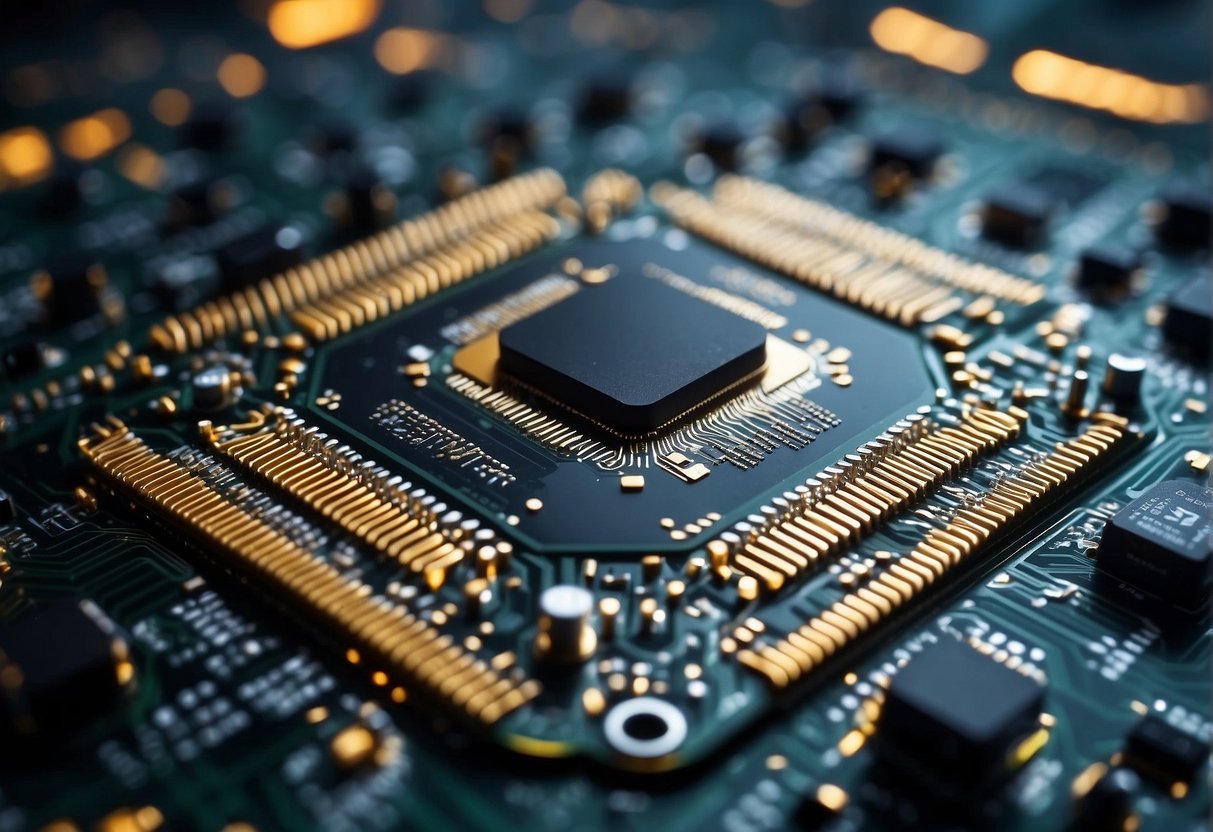
AI chips are crucial for running advanced AI applications and services, ensuring that complex tasks such as those performed by large language models, deep learning models, and generative AI are executed efficiently. Software compatibility is equally important, as it determines the ease and effectiveness with which these models can be developed and deployed.
Frameworks and Software Compatibility
Compatibility with various software frameworks is essential for maximising the use of AI chips. It’s important that these chips support popular frameworks used by developers, such as TensorFlow and PyTorch, which are instrumental in creating deep learning models. Companies like Google and Microsoft provide comprehensive software suites that integrate seamlessly with these frameworks to further streamline the AI development process.
AI Development and Learning Models
AI chips enable the training of sophisticated learning models, which are the backbone of services including chatbots and other AI-driven technologies. These models require extensive computational resources, where the role of AI chips becomes evident. High-performance AI chips facilitate the training and functioning of generative AI, allowing the creation of content that can replicate human-like patterns in data generation.
Challenges and Considerations
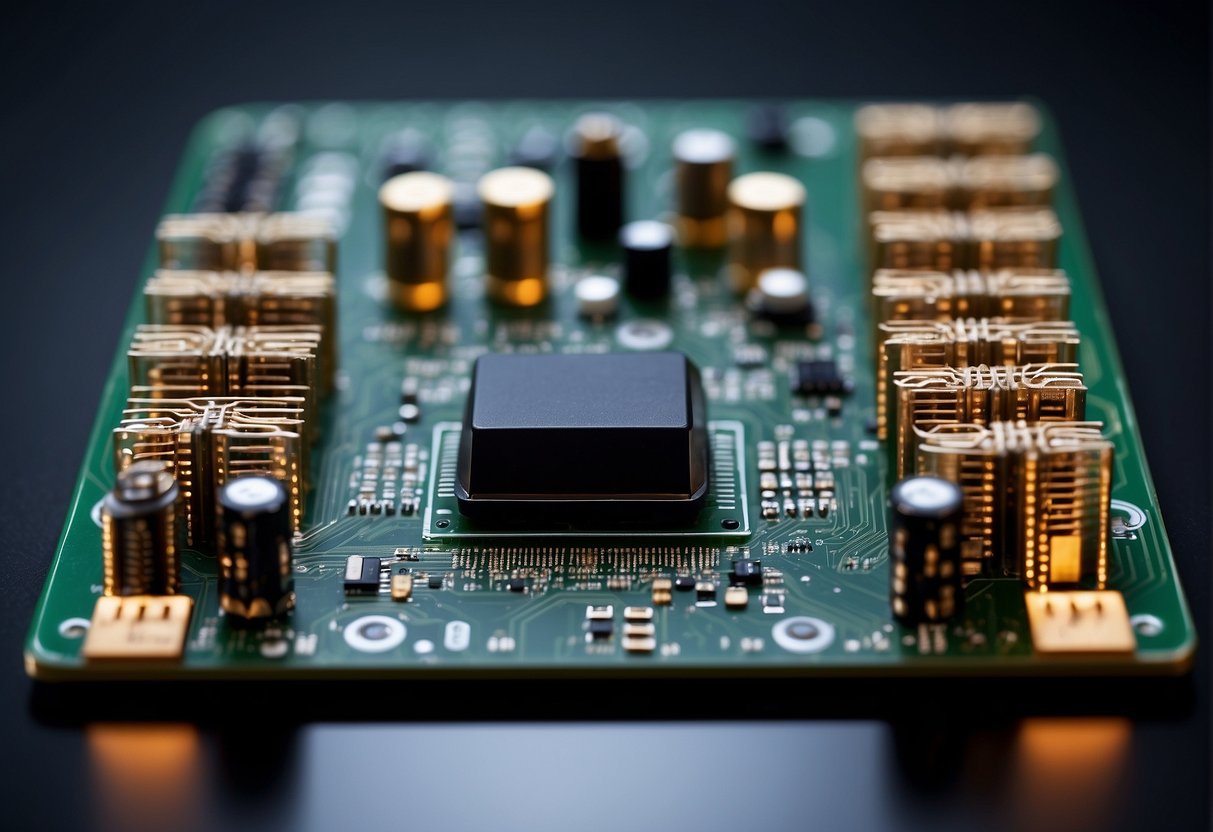
In facing the emergent realm of AI chip technology, industry specialists grapple with optimizing these chips for complex AI workloads, addressing security dilemmas and national concerns, and mitigating ecological impacts. These factors are critical in ensuring the tech remains efficacious, secure, and environmentally sustainable.
Handling Complex AI Workloads
AI chips are engineered to sustain increasingly demanding AI tasks, which require substantial computational resources. Data centers are witnessing an upsurge in the size and power consumption of AI processors. High-end GPUs, for instance, can now require up to 700 W per chip for operation. Efforts to enhance energy efficiency are paramount as manufacturers work to balance raw performance with power usage.
Security and National Concerns
AI chips are crucial in various national security applications, prompting stringent export controls to prevent advantageous technologies from falling into rival hands. The Center for Security and Emerging Technology plays a role in advising on the implications of AI and national defense, highlighting the need for a balance between innovation and regulatory measures.
Sustainability and Environmental Factors
AI chips’ significant power consumption raises environmental concerns due to their impact on energy demand and consequent emissions. The search for sustainable practices in chip manufacturing and operation is ongoing, with a pressing need to innovate solutions that decrease environmental footprints without compromising performance.
Regulatory and Economic Impacts
The landscape of the artificial intelligence (AI) industry is significantly shaped by regulatory measures and economic strategies. Policymaking like the Chips and Science Act plays a pivotal role in defining the growth trajectory of companies such as Advanced Micro Devices (AMD), while global trade dynamics create a complex economic environment for the AI chip sector.
The Chips and Science Act Significance
The Chips and Science Act, signed into law in 2022, represents a substantial federal investment aimed at bolstering the United States’ competitiveness in the AI and semiconductor arenas. This legislation earmarks billions in government spending towards research and development, with implications for leading entities such as AMD in the technological race. These funds are critical for nurturing innovation in AI chip designs, potentially leading to more energy-efficient and faster processing capabilities for a variety of applications.
Global Trade and Economic Considerations
In the realm of global trade, regulatory actions can have immediate economic repercussions. Restrictions on the export of high-end chips to certain countries create a ripple effect, influencing not just the targeted entities but also international market dynamics and the strategic positioning of AI companies. These measures can accelerate domestic AI development by protecting and encouraging local industry players, affecting forecasts for AMD and similar companies. Conversely, the imposition of such restrictions can prompt trade partners to invest in self-sufficiency, reshaping the economic landscape in which AI chip producers operate.
Future of AI Chips

The landscape of AI chips is poised for transformation with advances in technology and a broadening spectrum of applications. Companies and researchers are pushing the boundaries of chip performance and efficiency to meet the growing demands of AI systems.
Next-Generation AI Chip Technologies
Emerging technologies in AI chip design are set to revolutionize the industry. Nvidia’s latest Volta architecture has established new benchmarks in processing power, targeting complex AI and machine learning computations. As the AI chip market reshapes, there is anticipation for AMD’s MI300, which aims to integrate CPU and GPU functionalities for high-performance computing tasks. This convergence is expected to yield significant efficiency and speed enhancements.
- Emerging Technologies: Improved architectures like Volta; integrated designs like MI300.
- Performance Goals: Higher efficiency, greater speeds, and advanced compute capabilities.
Expanding Applications and Innovations
AI chips are finding new roles beyond traditional computing environments. The Google Cloud Platform, for example, utilizes AI chips to accelerate machine learning tasks, enabling more sophisticated cloud services. Innovations within the domain of AI processing units continue to catalyze an array of applications in healthcare, automotive, and even edge computing, where local processing on IoT devices is critical.
- Expanding Applications: Cloud services, healthcare, automotive, and edge computing.
- Innovative Uses: Enabling more sophisticated services and local processing on IoT devices.
With the constant push for optimized hardware, AI chips are evolving to meet the demands of an AI-driven future, reshaping industries and the very nature of computing.
Frequently Asked Questions
The “Frequently Asked Questions” section addresses common inquiries about AI chips, providing concise answers to enhance understanding of their applications, differences from standard processors, leading manufacturers, cost factors, integration into computing systems, and the types available in the market.
What are the primary applications of AI chips?
AI chips are integral in powering advanced tasks such as deep learning, natural language processing, and image recognition. Their key applications include autonomous vehicles, smartphones, and data centers where high-speed processing of AI algorithms is critical.
How do AI chips differ from conventional microprocessors?
Unlike conventional microprocessors that are designed for a broad range of computing tasks, AI chips are tailored to accelerate specific AI workloads. They often contain specialized circuitry optimized for machine learning operations, offering improved performance and efficiency for AI applications.
Who are the leading manufacturers of AI chips?
The AI chip market is led by companies like Nvidia, who have established themselves with powerful GPUs for AI processing. Other key players include AMD, known for their recent strides in AI chip innovation, and Intel, despite facing challenges in market share.
What are the key factors that influence the cost of AI chips?
The cost of AI chips depends on factors such as the complexity of the design, the amount of on-chip memory, production volume, and the manufacturing process technology used. Advanced technologies that enable faster processing and greater memory capacity often lead to higher costs.
How do AI chips integrate with existing computing infrastructures?
AI chips are designed to work in conjunction with existing hardware and software frameworks. They are often added to existing systems as discrete components or integrated into systems-on-chip (SoCs) depending on the use-case requirements and compatibility with other computing resources.
Can you explain the different types of AI chips currently available in the market?
There are several types of AI chips, each suited for specific tasks. These include GPUs, designed for parallel processing; TPUs, optimized for tensor operations central to neural networks; and FPGAs, which can be reprogrammed for various AI workloads. The choice of AI chip depends on the specific performance and flexibility needs of the application.