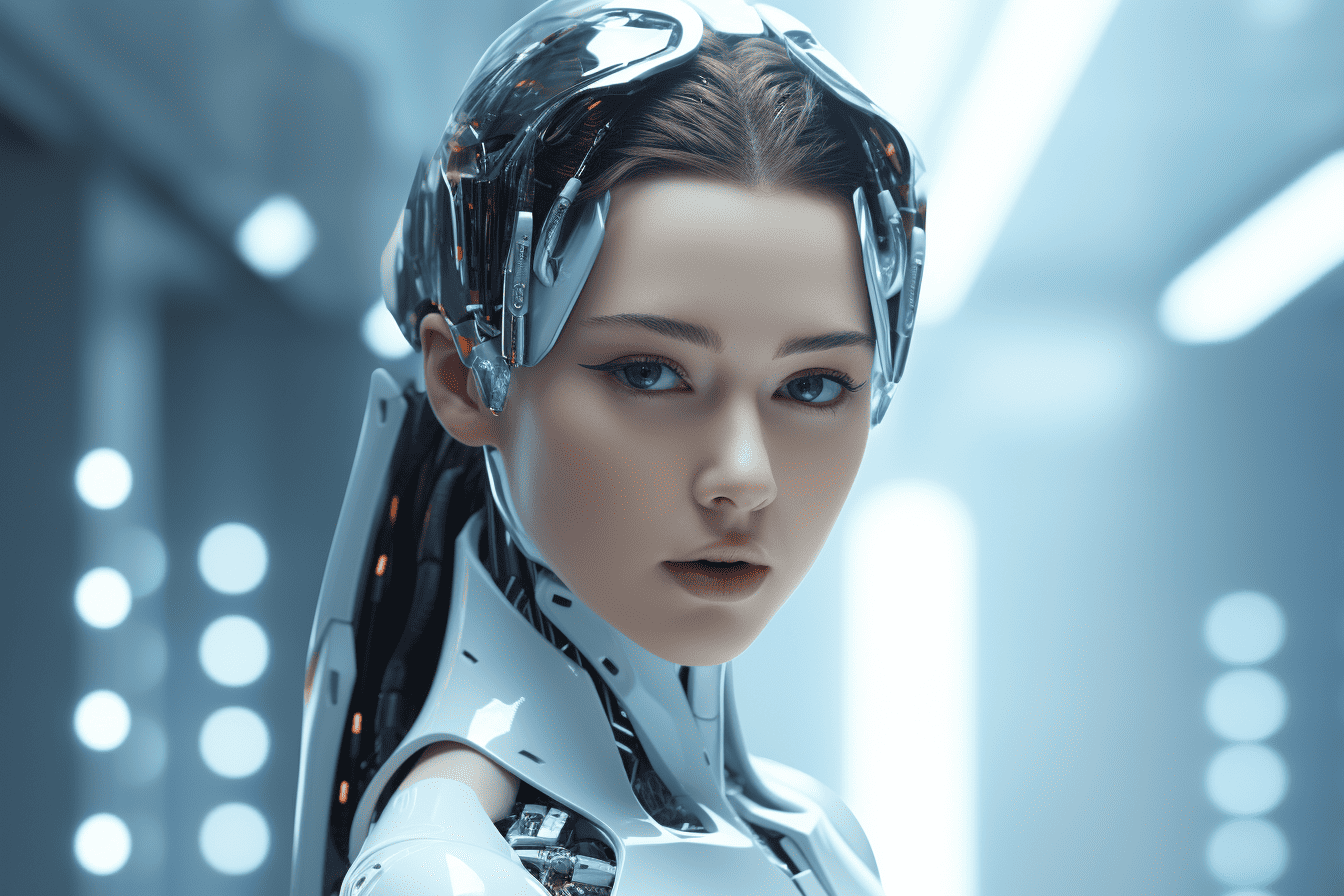
How to Create an AI Clone: A Comprehensive Guide
Creating an AI clone has become increasingly popular as advancements in artificial intelligence technology continue to redefine the way we interact with digital content. An AI clone, also known as a digital twin or AI twin, is essentially a replica of yourself in the virtual world, empowered by AI to mimic your mannerisms, voice, and behavior. This technology has opened up new opportunities in various fields, including customer service, entertainment, and even personal assistance.
The process of creating an AI clone involves capturing your voice and image data, then using advanced algorithms to build a digital representation of you. This digital replica can then be programmed to complete various tasks, like interacting with customers or creating content in your stead. As AI-powered clones become more sophisticated, they can also learn to adapt to different scenarios, improving their ability to represent you authentically in various contexts.
Key Takeaways
- AI clones are digital replicas of individuals, powered by artificial intelligence to mimic their behavior and appearance.
- Creating an AI clone involves capturing voice and image data, as well as utilizing advanced algorithms for representation.
- AI clones have numerous applications in fields like customer service, entertainment, and personal assistance, with potential for adaptation and growth in various contexts.
Understanding The Concept Of AI Clone
Creating an AI clone involves using artificial intelligence technology to generate a digital replica of a person’s voice, appearance, or both. The crux of this process is extracting unique characteristics from the subject and using AI algorithms to produce a synthetic version that closely resembles the original.
In the realm of AI clones, you’ll encounter terms like digital twin and AI twin. While digital twins are often associated with mimicking physical objects and systems, AI twins specifically focus on the replication of human attributes.
An essential aspect of AI cloning is voice replication. This technology extracts unique vocal properties from audio samples and generates a synthetic voice that mirrors the original. Advancements in AI have significantly improved the quality and realism of the output voice, making the final result more convincing.
When it comes to visual AI cloning, AI-generated characters or avatars offer a realistic representation of their human counterparts. These digital beings can interact and respond in real-time, providing a wide range of applications in entertainment, education, and communication.
By understanding the core concepts of AI clones and their potential applications, you can explore the possibilities of this cutting-edge technology while remaining aware of potential ethical concerns. Approaching AI cloning with confidence, knowledge, and neutrality is crucial in navigating this evolving landscape.
The AI Clone Creation Process
Creating an AI clone involves a systematic workflow that utilizes various AI tools and technology. In this process, you will leverage the capabilities of generative AI to generate a realistic digital copy of a person. The following paragraphs will guide you through the key stages involved in crafting your very own AI clone.
To start, you need to gather ample data, like audio recordings or images, for the AI model to analyze and learn from. This information will act as the foundation upon which your AI clone will be built. The quality and quantity of data collected can significantly influence the final output, so ensure you invest time and effort into this step.
Next, choose the appropriate AI tools and technology to develop your AI clone. These tools usually offer various levels of customization and flexibility in terms of voice cloning and digital avatars. Picking the right one will depend on your specific requirements and skill level.
Once you have selected the right set of tools, you will need to train the AI model on the collected data. This phase involves feeding the AI system with the provided information and allowing it to learn, recognize patterns, and eventually produce a digital clone bearing a close resemblance to the original entity. This generative AI technique may require you to fine-tune the model, so be prepared to iteratively improve and enhance the AI clone’s quality.
Upon completing the training process, it’s time to test your AI clone’s performance. This step involves validating the realism and accuracy of generated output in comparison to the original entity. Make any necessary adjustments or improvements to rectify issues or shortcomings identified during the testing phase.
Finally, deploy your AI clone to the desired platform or application. This stage may require integration with other technologies or systems, so be ready to invest time and resources in ensuring seamless compatibility.
By following this AI clone creation process, you will be able to create a digital copy of a person with a high degree of realism and flexibility. Remember to be patient, as the process may take time – but the results will be well worth the effort.
Key Steps in the AI Clone Creation
Script Preparation
Before you embark on creating your AI clone, it’s crucial to prepare a script that covers various aspects of your speech and mannerisms. Consider sentences that articulate different emotions, speech patterns, and expressions to capture your unique voice. A well-rounded script enables a more accurate voice and digital representation of yourself.
Recording Audio and Video
Collecting high-quality audio and video recordings is the foundation of any AI clone creation process. Start by setting up a quiet, controlled environment for the recording session. While recording your voice, use a professional microphone to capture clear, high-quality samples. Similarly, during the video recording, use an appropriate camera and backdrop to capture your facial expressions, movements, and appearance from multiple angles. Good audio and video samples can significantly improve the quality of your AI clone.
Voice Cloning
Voice cloning entails using AI tools to analyze and replicate your unique voice patterns. The technology works by extracting the unique characteristics of your speech from the audio samples and using them to generate a synthetic voice that closely resembles your own. Professional voice cloning services may offer more sophisticated and realistic outputs, making it a worthwhile investment if you seek high fidelity.
Digital Cloning Technology
Digital cloning involves using cutting-edge software to analyze the video recordings and recreate your facial expressions, body language, and appearance with astonishing realism. Techniques such as deepfake and Synthesia leverage AI-powered video manipulation to create convincing digital clones. Combining the synthetic voice and digital clone ultimately results in an AI representation of yourself that can engage in realistic conversations and interactions.
As you follow these steps, remember to maintain a workflow that allows for revisions, feedback, and fine-tuning your AI clone. By doing so, you ensure the fidelity and authenticity of your digital representation, making it a valuable tool in various professional and personal capacities.
AI Clone and Languages
Voice cloning technology has advanced significantly, enabling AI clones to understand and speak multiple languages. This capability allows for greater distribution of content and information, reaching people across the globe. Developing a multilingual AI clone can help you localize your content, effectively catering to audiences from different linguistic backgrounds.
When creating an AI clone, it’s essential to prioritize the languages your target audience speaks. By doing so, you bridge communication gaps and foster a better understanding of the content. For example, if your AI clone is designed for customer support, speaking the language of your users will enhance their experience and satisfaction.
Furthermore, incorporating various languages into your AI clone helps to ensure inclusivity. It allows people from different regions and cultural backgrounds to access your content, ultimately expanding your reach and impact. By adopting this approach, your AI clone becomes a versatile tool capable of addressing the needs of diverse users.
To successfully implement multilingual capabilities, you should focus on training your AI clone using high-quality data and diverse language models. This ensures that the generated speech sounds natural and maintains the original meaning across different languages—a crucial factor in making your AI clone effective and efficient.
Don’t underestimate the importance of languages and localization when developing your AI clone. By giving it the ability to communicate in multiple languages, you increase its value and relevance to a wider audience, making it an essential tool in today’s interconnected world.
The Role Of AI Clone In Different Fields
Social Media and Content Creation
AI clones are becoming increasingly popular in the realm of social media and content creation. They can help you generate unique and engaging content for your audience, reducing the workload and increasing productivity. Additionally, AI clones can assist in creating visuals, writing captions, and optimizing hashtags for your social media posts. As a content creator or influencer, embracing AI clones can give you a competitive edge and improve the quality of your content.
Podcasts and Communication
AI clones can be valuable in the field of podcasts and communication. Using AI, you can create an AI clone of your voice, which can be used to read out scripts, respond to comments, or participate in live discussions. This can save you time and effort, allowing you to focus on creating high-quality content for your listeners. Whether you’re a podcaster or rely heavily on phone and online communication, AI clones can provide a versatile and efficient solution.
Developing and Coaching
In the area of developing and coaching, AI clones are becoming a powerful tool. They can assist developers in writing code, debugging, and maintaining applications built using frameworks like Express and React. For coaches, AI clones can provide personalized training plans, monitor progress, and deliver real-time guidance. By adopting AI clones in your coaching or development practice, you can significantly enhance the services you offer and ensure your clients receive tailored support.
Importance Of Personality In AI Clone
Developing a personality for your AI chatbot is crucial for creating an engaging and relatable experience for users. By giving your chatbot a distinct character, you make it easier for users to form a connection and interact with the bot in a more natural way.
One way to create a personality for your AI chatbot is to establish a name, unique traits, and speaking style. This will allow your chatbot to stand out from others and create a more human-like interaction. For example, some chatbots may use humor to engage with users, while others might adopt a more serious and professional tone.
Creating a relatable AI chatbot personality can also help build trust between users and the chatbot. When users feel like they are interacting with a real person, they are more likely to open up and share information. This, in turn, can improve the chatbot’s overall performance, as it learns and adapts through these interactions.
Remember, the goal is to strike a balance between the chatbot’s personality and its functionality. Too much personality might overwhelm or confuse users, while too little might make your AI chatbot feel robotic and unapproachable.
In summary, the importance of personality in an AI clone lies in its ability to create a more engaging and human-like experience for users. By incorporating unique traits, a relatable tone of voice, and consistent character, your AI chatbot can foster trust and facilitate more natural interactions.
Pricing and Productivity Benefits Of Using AI Clone
Using an AI clone can offer you significant pricing and productivity benefits as you leverage this innovative technology to optimize various tasks and functions within your business. By employing AI clones, you can witness increased efficiency and improved decision-making.
One of the key advantages of using AI clones is the potential to reduce costs. AI-powered tools like Papercut can provide an automatic localization of videos with human-like voice-overs, thereby replacing expensive voice actors and reducing production expenses.
Generative AI can also drive your business’s digital transformation. The vast amount of data generated by these AI systems can help you make better decisions and streamline processes. This can have a major impact on industries like construction that might be hesitant to invest in technology but will reap the benefits once they do (source: Upwork).
In terms of productivity, AI clones can boost your overall performance by accessing features like ChatGPT to automate customer interactions, reducing the time spent on handling inquiries and providing instant, accurate responses. This, in turn, allows your team to focus on more strategic and creative tasks, driving innovation and revenue growth.
Moreover, AI-driven pricing initiatives have a higher success rate, allowing your company to reap greater profits. With lower struggle rates compared to traditional pricing tactics, AI can help you win various pricing battles and outperform competitors (source: BCG).
In conclusion, utilizing AI clones for various business functions is a smart move to enhance productivity and optimize pricing strategies. The potential cost savings and efficiency gains make it an attractive option for businesses looking to stay competitive in today’s fast-paced digital landscape.
Analyzing AI Clone Interaction
When creating an AI clone, it’s crucial to understand how it interacts with users and the environment. By analyzing these interactions, you can evaluate the efficiency and effectiveness of your AI clone. This section will guide you through the process of analyzing AI clone interactions, focusing on two critical aspects: interactions and analytics.
To begin with, closely monitor the communication between your AI clone and the users. Take note of any patterns or trends in the conversation flow, user satisfaction, and the clone’s ability to provide accurate and relevant information. By keeping track of these metrics, you can quickly identify areas where improvements may need to be made.
Next, consider utilizing analytics tools to gather and analyze data regarding AI clone interactions. These tools can help you understand user behavior and preferences, which in turn, can guide you in refining your AI clone’s performance. For example, such tools can provide valuable insights into the frequency and type of questions users ask, the clone’s response time, and the overall effectiveness of the generated answers.
Once you have collected and analyzed data from both user interactions and analytics tools, use this information to fine-tune your AI clone. Continuously update its knowledge base, enhance algorithms, and improve dialog flow to ensure optimal user experience. Moreover, always be open to feedback from users, as their input can provide valuable insights for improving your AI clone.
Remember, creating a successful AI clone requires an ongoing process of analyzing interactions, collecting data, and refining its performance. By adopting a confident, knowledgeable, and clear approach, you can ensure that your AI clone remains an efficient and helpful tool for its users.
Guidelines and Regulations for AI Clone
When you decide to create an AI clone, it is important to be aware of the guidelines and regulations that govern the use of this technology. These rules not only ensure the ethical use of AI clones but also protect the intellectual property rights of individuals whose voice or likeness is being replicated.
When creating an AI clone, one essential tool you might need is a green screen. This helps in separating the subject from the background, making it easier to manipulate and adapt for the clone. However, while using such technologies, you must respect the privacy of the individual, avoid creating a false representation, and refrain from causing harm.
In the domain of AI-generated voice clones, it is necessary to abide by legal frameworks that regulate their use. To safeguard the original voice owner’s rights, you should seek the necessary permissions and licenses before using their voice in your project. This could influence commercial aspects, as legal shortcuts are being explored by musicians and other content creators to prevent unauthorized use of their voice.
Another important factor to consider is the doc data being used to create the AI clone. Ensuring that the data protection laws are followed, and personal information is not misused is crucial. Avoid exploiting users’ data in exchange for free or convenient access to your AI services.
As AI clones become more prevalent, it is essential to stay updated on the changing regulatory landscape that aims to address potential ethical and legal concerns. By adhering to these guidelines and regulations, you can ensure that your AI clone creation aligns with best practices and maintains the highest standards of integrity and respect for intellectual property rights.
Conclusion
In your journey to create an AI clone, it’s essential to keep a few key factors in mind. First, always approach this technology with a sense of responsibility and the understanding that it has significant potential to transform communication and collaboration.
As you develop your AI clone, you should consider incorporating the clone as a helpful assistant in your editorial process. By doing so, your AI clone can serve as a valuable and engaged member of your collaborative team, making suggestions and improvements based on its vast knowledge base.
Remember to remain neutral and clear in the information you provide to your AI clone, ensuring the end result accurately represents your ideas and intentions. By maintaining a confident and knowledgeable tone, you can establish trust between yourself and your AI creation.
Finally, it’s vital to implement various formatting techniques that will make your content more accessible and engaging for your readers. Utilize tables, bullet points, and bold text when necessary to convey important information effectively.
By addressing these aspects, you empower yourself and your AI clone to work together harmoniously, leading to impressive results in your collaborative endeavors.
Frequently Asked Questions
How can I clone my own voice with AI?
To clone your own voice with AI, you’ll need to use a voice cloning software that uses deep learning algorithms. These platforms usually require you to record a set of scripted sentences, which they use to analyze and replicate your voice. A great example of such a service is Resemble AI. By following their step-by-step process, you can create a realistic digital clone of your voice.
What is the best AI voice cloning software?
The best AI voice cloning software varies depending on your requirements and preferences. Some popular choices include ElevenLabs, which offers high-quality voice cloning across multiple languages and accents, and Resemble AI, which has a user-friendly interface and vast customization options. Carefully research different options to find the one that best suits your needs.
Can I create an AI clone of my face?
Yes, you can create an AI clone of your face using various software tools and platforms. One such example is Hour One, which allows you to create a realistic digital replica of your face and animate it with your AI-cloned voice. These technologies are becoming increasingly advanced, making it possible to create accurate and lifelike digital representations of yourself.
Are there any free AI voice cloning apps?
While many AI voice cloning platforms require a subscription or payment, some services, like Kits.AI, offer free features to create AI voices. However, these free options may come with limitations, such as reduced audio quality, limited customization, and fewer overall features. It’s important to research different platforms to find the best balance of quality and price for your needs.
How to make an AI version of myself?
To make an AI version of yourself, you’ll need to combine voice cloning and facial synthesis technologies. Start by cloning your voice using an AI voice cloning platform like Resemble AI. Then, utilize facial synthesis tools like Hour One to create a digital replica of your face. By merging these two technologies, you can generate a complete AI version of yourself.
Which platforms offer AI voice generation services?
Various platforms offer AI voice generation services. Some popular options include Resemble AI, ElevenLabs, and Kits.AI. These platforms use deep learning algorithms to analyze and replicate human voices, allowing you to generate customized AI voices with realistic speech patterns, tones, and accents.