DeepBrain: Exploring the Future of Artificial Intelligence
DeepBrain is a fascinating topic that delves into the complex world of brain stimulation and its application in various medical treatments. The concept of deep brain stimulation involves the use of electronically controlled devices designed to activate specific regions within the brain, providing relief for patients suffering from a range of neurological and psychiatric disorders. This innovative technology has evolved significantly over the years and has the potential to transform the lives of millions worldwide.
Understanding the intricacies of deep brain stimulation requires a comprehensive overview of the procedures, technology, and regulatory standards involved. Moreover, it is crucial to examine research trends and clinical trials in order to appraise the advancements in this field and assess the potential future directions. By exploring deep brain stimulation from multiple angles, we can gain a thorough comprehension of its scope, benefits, and limitations.
Key Takeaways
- Deep brain stimulation is an innovative technology used to treat various neurological and psychiatric disorders.
- The field involves a myriad of procedures, technologies, and regulatory standards that are constantly evolving.
- Ongoing research and clinical trials are crucial to understanding the potential future applications and limitations of deep brain stimulation.
Understanding the Deep Brain
Deep brain stimulation (DBS) is a revolutionary technique that has transformed the treatment of various neurological disorders, particularly movement disorders, over the past 20 years. DBS involves implanting electrodes within specific areas of the brain, which produce electrical impulses affecting brain activity to treat certain medical conditions1. This advanced technology aims to target and modulate specific brain networks to alleviate symptoms and improve the quality of life.
The deep brain comprises billions of neurons that play a crucial role in both normal and pathological brain functions2. Neurons communicate within intricate brain networks, interacting with each other and with other cells to regulate various physiological processes. Understanding the complex interplay of neurons within these networks enables researchers to explore specific targets for DBS in treating diverse neurological and psychiatric disorders.
DBS harnesses the power of brain activity by modulating targeted circuit-based neuromodulation3. By adjusting the electrical impulses, medical practitioners can fine-tune the activity of certain brain networks and optimize symptom control. This personalized approach helps achieve favorable results for patients suffering from diverse conditions such as Parkinson’s disease, essential tremor, and dystonia.
Researchers, by leveraging deep brain imaging techniques4, are making strides in discovering the connections between specific neurons and the dynamics of peripheral hormonal secretion, facilitating further advancements in neuroendocrine functioning. Moreover, these imaging techniques enable scientists to examine the effects of newly discovered genetic mutations that result in phenotypic changes, thereby extending the possibilities of DBS utilization.
In summary, deep brain investigation through various techniques and innovative technologies has significantly influenced the understanding of the human brain’s complex processes. Deep brain stimulation, by directly targeting and modulating specific brain networks, provides promising treatment options for neurological and psychiatric disorders. The field’s rapid expansion carries enormous potential for future developments and novel therapeutic approaches, ultimately broadening the scope and impact of deep brain research.
What is Deep Brain Stimulation?
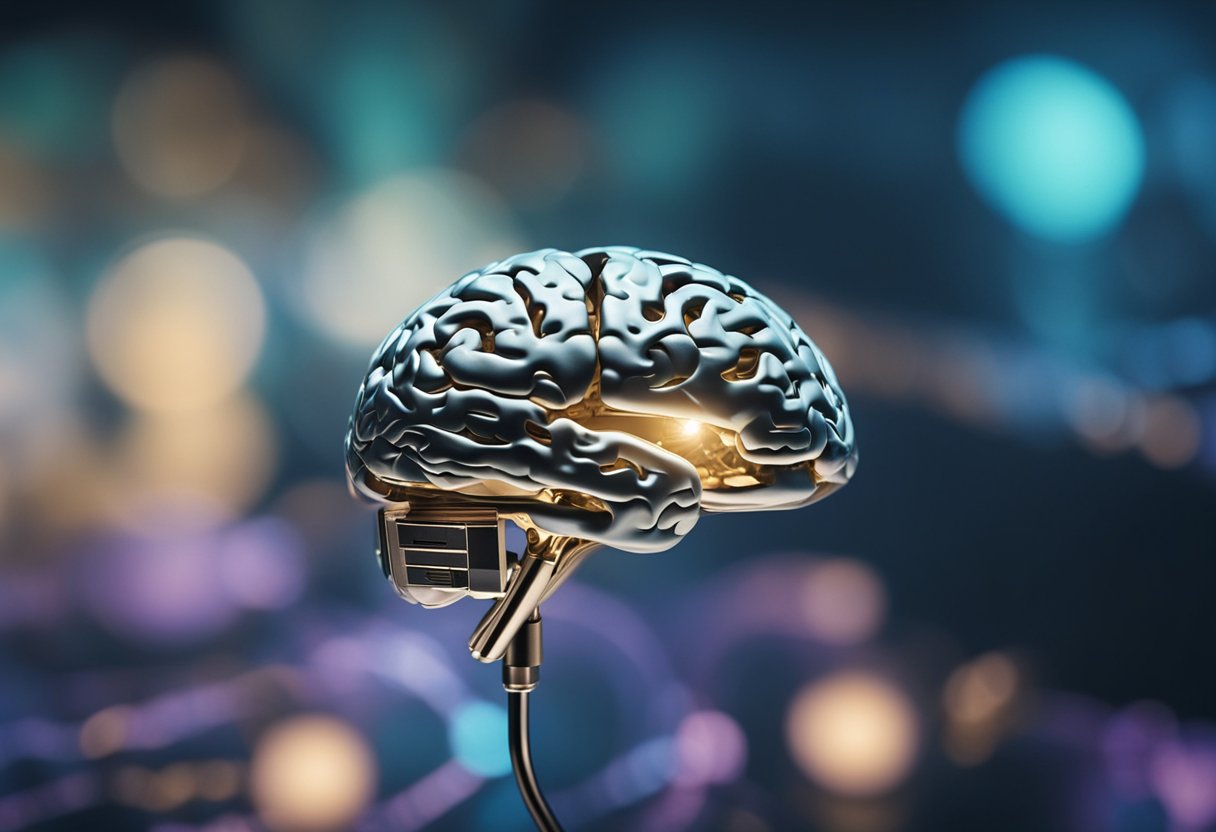
Deep Brain Stimulation (DBS) is a medical procedure that involves the use of electrical stimulation to treat various neurological conditions. Through this neurostimulation technique, a pulse generator sends mild electrical currents to specific areas of the brain. These electrical currents stimulate brain cells, which can help alleviate symptoms associated with movement disorders and other neurological conditions.
The DBS system consists of three main components: the pulse generator, electrodes, and leads. The pulse generator, also known as the neurostimulator, is a small device implanted under the skin, usually near the collarbone. This device generates the electrical signals required for stimulation. The electrodes are thin, flexible wires that are implanted directly into the targeted areas of the brain. These electrodes deliver the electrical signals generated by the pulse generator to the brain cells. The leads connect the electrodes to the pulse generator, allowing for seamless transmission of electrical signals.
DBS has shown efficacy in treating several neurological disorders, including Parkinson’s disease, essential tremor, and dystonia. It provides relief from muscle tremors, muscle stiffness, and slowed movement, which are common symptoms in these conditions. In addition, researchers are studying the potential applications of DBS for other neurological and neuropsychiatric disorders, such as Epilepsy, Tourette syndrome, and obsessive-compulsive disorder.
During the DBS procedure, a neurosurgeon implants the electrodes into predefined locations within the brain, guided by imaging and neurophysiological techniques. Once the electrodes are in place, they are connected to the pulse generator, which is then programmed to deliver the desired stimulation parameters. The electrical stimulation can be adjusted over time as needed to optimize treatment outcomes and minimize side effects.
It’s important to note that DBS is typically considered for patients when medications have proven ineffective or have caused significant side effects. The decision to undergo this surgical procedure is made on an individual basis, taking into account the patient’s specific symptoms, overall health, and treatment goals. While DBS has helped many patients improve their quality of life, it is not a cure for these disorders and may not work for everyone. Nevertheless, it is a promising treatment option that continues to be refined and explored for an expanding range of neurological conditions.
Procedures Involving Deep Brain Stimulation
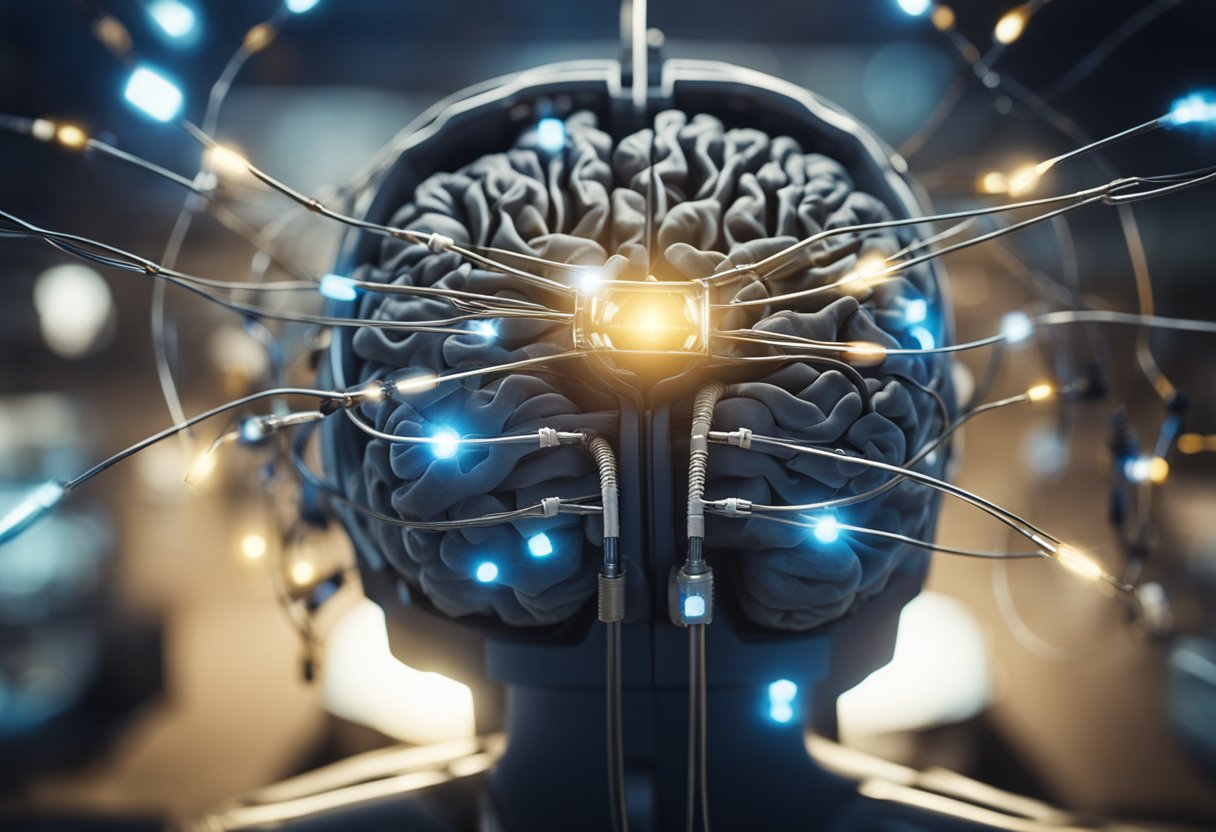
Deep Brain Stimulation (DBS) is a neurosurgical procedure that involves the implantation of electrodes within certain areas of the brain to treat conditions such as Parkinson’s disease, essential tremor, and dystonia. The electrodes produce electrical impulses targeting specific brain cells, providing relief and improving the patient’s quality of life. The procedure typically consists of several steps and involves the use of advanced medical equipment and technology.
Before the procedure, the patient undergoes a magnetic resonance imaging (MRI) scan to create a detailed map of their brain. This helps the neurosurgeon in identifying the ideal location for the electrode placement, enhancing the effectiveness of the treatment. The surgery may be performed under general anesthesia or with the patient awake, depending on the specific condition and the surgeon’s preference.
During the surgery, the neurosurgeon creates a small incision in the scalp and drills a tiny hole in the skull. The MRI brain map guides the surgeon in precisely placing the electrodes within the targeted area of the brain. Once the electrodes are in position, a plastic cap secures them in place, and they are then connected to an extension wire.
The other end of the extension wire is connected to a neurostimulator, a small device with batteries that generate the electrical impulses required for DBS. This device is implanted under the skin, typically in the upper chest area, just below the collarbone. An additional incision is made in the patient’s neck to route the extension wire from the head to the neurostimulator, ensuring a seamless connection.
After the completion of the surgical procedure, the neurostimulator is programmed to deliver the appropriate level of electrical stimulation, which can be adjusted over time. As the patient’s condition and symptoms change, the treatment can be fine-tuned by reprogramming the neurostimulator to optimize the benefits.
In summary, deep brain stimulation is a sophisticated neurosurgical procedure used to treat various neurological disorders. It involves the careful implantation of electrodes within the brain, connected to a neurostimulator that delivers targeted electrical impulses to alleviate symptoms and improve the patient’s quality of life.
Deep Brain Stimulation and its Application in Diseases
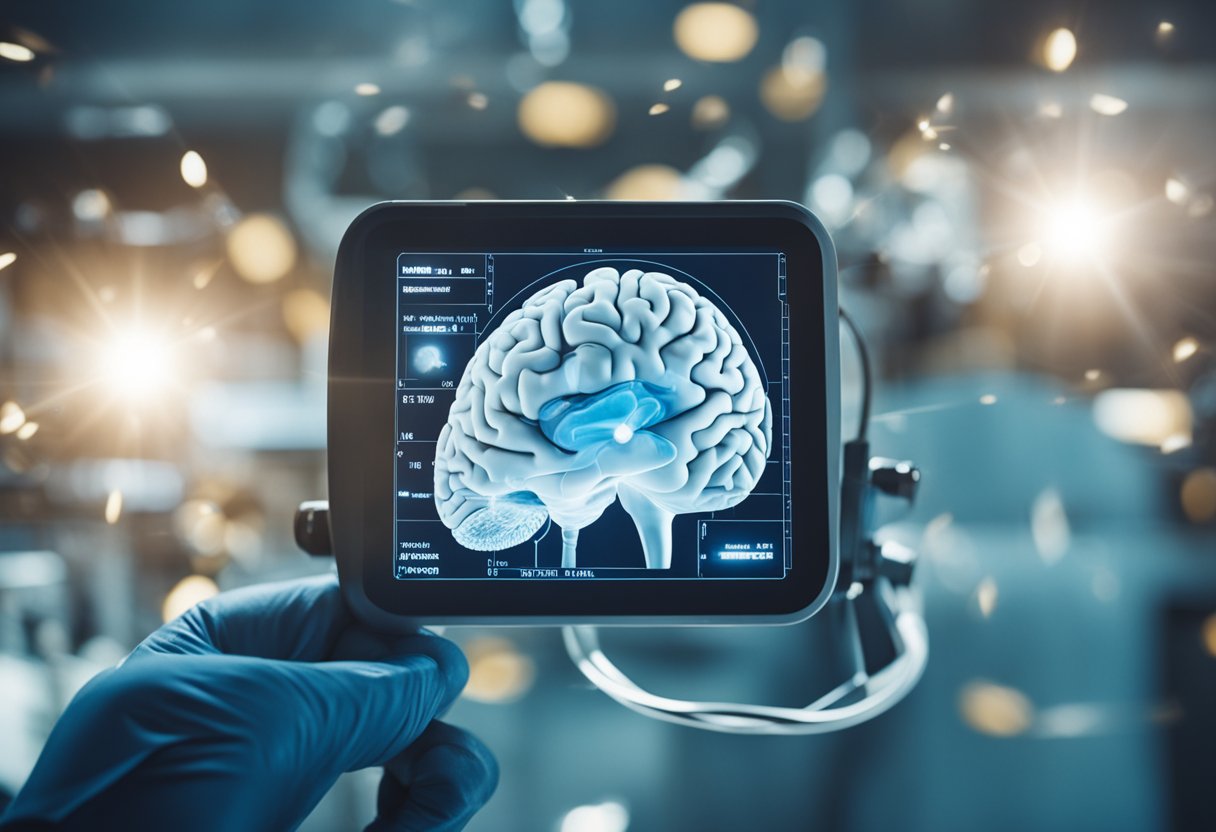
Deep brain stimulation (DBS) is a remarkable treatment option that has revolutionized the management of treatment-resistant movement disorders and offers potential therapeutic applications for various neurological and psychiatric conditions. DBS involves the use of implanted electrodes that deliver adjustable stimulation to specific brain regions, thereby modulating the neural activity of certain dysfunctional circuits.
One of the most significant applications of DBS is in the treatment of Parkinson’s disease. By targeting the subthalamic nucleus or the globus pallidus internus, DBS has successfully managed to alleviate some of the debilitating motor symptoms associated with this progressive neurodegenerative disorder, such as tremors, rigidity, and bradykinesia.
DBS has also been found to be effective in treating other movement disorders such as dystonia and essential tremor. In these cases, the ventralis intermedius nucleus of the thalamus is typically stimulated. This approach has demonstrated significant improvements in patients’ motor function and quality of life (source).
In addition to movement disorders, DBS has shown promising results in addressing treatment-resistant obsessive-compulsive disorder (OCD). By targeting the ventral striatum and the anterior limb of the internal capsule, patients have experienced significant reductions in the severity of their obsessive and compulsive symptoms.
Epilepsy is another condition for which DBS has demonstrated potential benefits. Stimulating the anterior thalamic nucleus has been shown to reduce the frequency and severity of seizures in patients with drug-resistant epilepsy. Furthermore, preliminary research suggests that DBS could be applied in the treatment of neurological conditions such as dementia, stroke, and certain syndromes characterized by abnormal neural activity.
Finally, DBS has been explored as a potential treatment for addiction. By modulating the neural pathways involved in the reward system, DBS may help to reduce cravings associated with drug use and support individuals in their recovery journey.
In conclusion, deep brain stimulation is a versatile and valuable therapeutic tool for various neurological and psychiatric disorders. As research on DBS continues to advance, its clinical applications are likely to expand, offering new hope to countless patients afflicted by these challenging conditions.
Deep Brain Stimulation in Treating Psychiatric Disorders
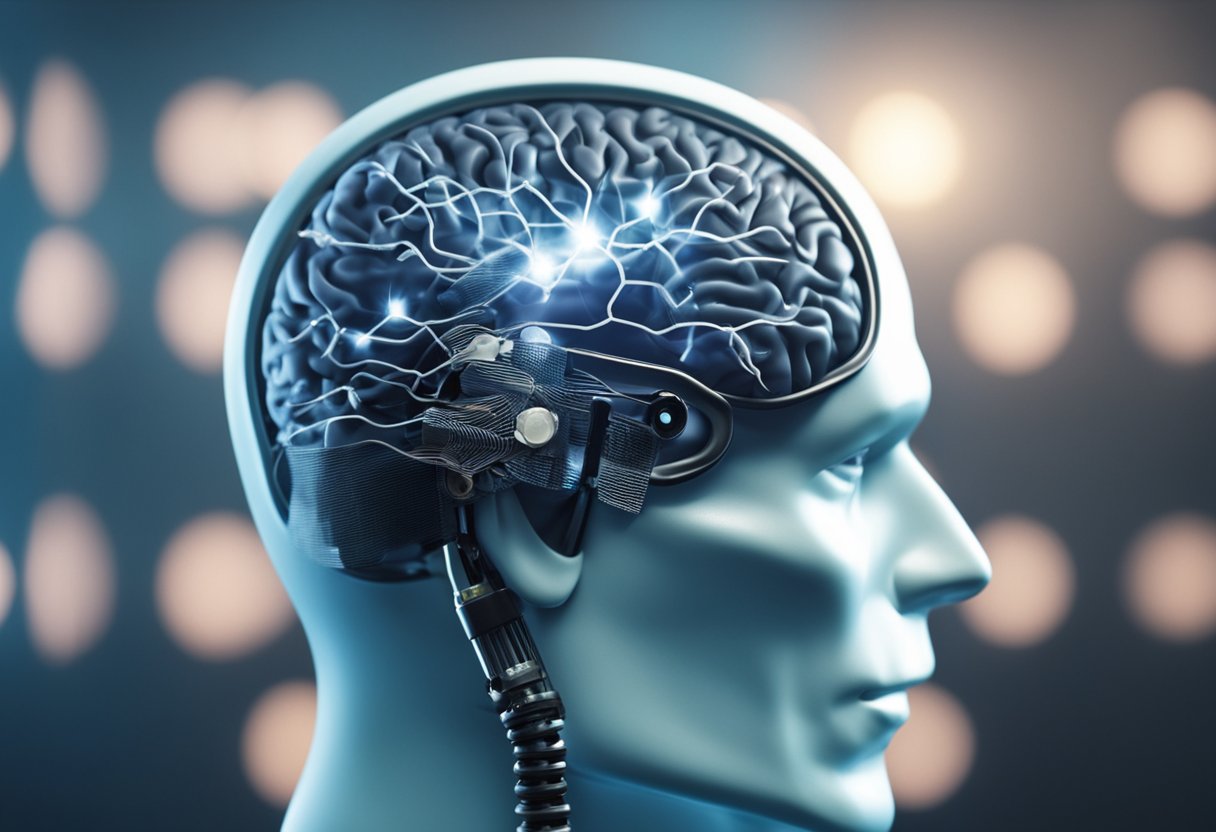
Deep brain stimulation (DBS) is an innovative and promising treatment method for various psychiatric disorders. This minimally invasive technique involves delivering electrical stimulation to specific target areas within the brain, making it a safe, adjustable, and reversible option for patients (source).
One of the most researched applications of DBS is in the treatment of major depressive disorder (MDD) and treatment-resistant depression (TRD). For individuals who have not responded well to traditional therapies and medications, DBS has shown significant potential in open-label studies, with up to 90% of patients reporting benefits (source).
In addition to depression, DBS is also being investigated for its potential use in treating other psychiatric conditions, such as obsessive-compulsive disorder (OCD), Tourette syndrome, Alzheimer’s dementia, and addiction (source). For instance, treatment-refractory OCD patients have shown positive outcomes with the application of DBS, offering a valuable option for those who have exhausted other treatment methods.
Although DBS research has mainly focused on conditions such as depression and OCD, its potential applications extend to other psychiatric disorders as well. Studies are exploring the use of DBS in treating schizophrenia, a condition that can be difficult to manage with medication alone. Early exploration indicates that DBS may help reduce symptoms and improve the quality of life for individuals living with this condition.
In summary, deep brain stimulation represents a cutting-edge treatment option for a variety of psychiatric disorders. As research continues to advance, the potential for DBS to positively impact the lives of individuals struggling with mental health conditions, including depression, OCD, Tourette Syndrome, and schizophrenia, becomes more evident. As with any treatment method, it is essential for patients to consult with a psychiatrist or a qualified medical professional to determine the most suitable course of action for their specific psychiatric condition.
Risks and Challenges of Deep Brain Stimulation
Deep brain stimulation (DBS) is a promising treatment for various neurological disorders, such as Parkinson’s disease and epilepsy. However, like any medical procedure, it comes with certain risks and challenges that need to be carefully considered before undergoing the treatment.
One of the primary concerns with DBS is the surgical procedure itself. The process involves making small holes in the skull and inserting electrodes into specific brain regions. As with any surgery, there is always a risk of complications, such as bleeding and infection. These risks can be minimized with proper surgical techniques and post-operative care, but they cannot be entirely eliminated.
Another potential risk associated with DBS surgery is the reaction to anesthesia. Patients may either receive general anesthesia, which renders them unconscious during the procedure, or local anesthesia to numb the targeted area while they remain awake. In both cases, there is a small chance of adverse reactions to the anesthetic, such as allergic reactions or complications related to underlying medical conditions. An experienced anesthesiologist can help minimize these risks by carefully monitoring the patient during surgery.
Post-surgical complications can also occur in some patients. The electrodes implanted in the brain might move, resulting in a need for an additional surgery to reposition them. In some cases, the devices used for deep brain stimulation might malfunction or fail, leading to a decline in the effectiveness of the treatment.
Finally, DBS has specific challenges tied to the nature of stimulating brain tissue. The exact response to brain stimulation varies among individuals, and in some cases, it may cause side effects such as mood changes, cognitive decline, or involuntary muscle movements. These side effects can often be managed by adjusting the stimulation settings, but they highlight the importance of personalized treatment plans and continued monitoring by healthcare professionals.
In conclusion, while deep brain stimulation offers significant benefits for people suffering from various neurological disorders, it is crucial to be aware of the potential risks and challenges. By carefully weighing these factors and working closely with their healthcare providers, patients can make informed decisions about whether DBS is the right treatment for them.
The Technology Behind Deep Brain Stimulation
Deep Brain Stimulation (DBS) is a neurosurgical procedure that utilizes a DBS device to send electrical impulses to specific areas of the brain, leading to symptom relief for conditions like Parkinson’s disease, essential tremor, and dystonia. The technology behind DBS has evolved over the years, with advancements in imaging techniques like CT scans and magnetic resonance imaging (MRI) playing a crucial role in its success.
To prepare for a DBS surgery, a neurosurgeon uses MRI or CT scans to create detailed images of the patient’s brain. These images help the surgeon identify the precise location within the brain for implantation of the DBS electrodes, which target specific brain circuits to modulate their activity.
The DBS device consists of three main components: the lead or electrode, the extension wire, and the implantable pulse generator (IPG). The electrode, inserted into the brain, contains multiple contact points that deliver electrical stimulation to the targeted areas. The extension wire connects the electrode to the IPG, which is typically located under the skin near the collarbone. The IPG is a battery-powered, programmable device that produces the electrical pulses needed for stimulation.
One of the recent advancements in DBS technology is the development of closed-loop stimulation techniques. These systems adjust the parameters of the electrical stimulation based on real-time feedback from the patient’s brain activity. This approach is expected to improve the treatment’s effectiveness by providing a more tailored response to each patient’s unique needs.
Deep brain stimulation technology is also exploring the integration of innovative techniques such as optogenetics. Optogenetics involves the manipulation of specific neural circuits using light-sensitive proteins, allowing for a higher degree of control and precision in neuromodulation.
While DBS technology has made significant strides in improving the lives of many patients, the field continues to face challenges and explore new directions for future advancements. These include addressing cybersecurity risks, refining implantation timing, and overcoming barriers to high-quality research. As the technology of deep brain stimulation evolves, the potential for helping more individuals suffering from neurological and psychiatric disorders continues to grow.
The Role of Medications in Deep Brain Stimulation

Deep Brain Stimulation (DBS) is an advanced neurosurgical technique that has been utilized in the treatment of various neurological and psychiatric disorders, including Parkinson’s disease, essential tremor, and obsessive-compulsive disorder 1. While this innovative procedure has shown tremendous promise, it is essential to understand the role of medications in the overall management and efficacy of deep brain stimulation.
In many cases, DBS is performed to help alleviate symptoms for patients who have not found adequate relief through traditional medications. However, medications still play a crucial role in the overall treatment strategy of patients undergoing DBS. Some patients may require a combination of medications and deep brain stimulation to achieve optimal symptom control 2.
In the context of Parkinson’s disease, for instance, DBS aims to target specific brain regions to alleviate motor symptoms such as tremors, rigidity, and bradykinesia. Despite the benefits of DBS, patients usually need to continue taking dopaminergic medications, albeit at reduced doses, to address symptoms that may persist after the surgery 3. Reducing the medication dosage is particularly useful in managing side effects associated with long-term use of dopaminergic drugs.
One notable area where medications play an integral role is in the management of impulsivity in patients with deep brain stimulation. The use of DBS in combination with certain non-dopaminergic medications may increase the propensity for impulsivity in some individuals 4. Clinicians must be vigilant in monitoring the potential changes in behavior and consider appropriate adjustments in medications to mitigate these risks.
It is also essential to recognize that the benefits of deep brain stimulation may vary across patients and that medication adjustments may be necessary to optimize the treatment outcomes. As patients’ conditions evolve, alterations in medication regimens may be required, bringing the importance of interdisciplinary management involving neurologists, psychiatrists, and neurosurgeons to the forefront of successful long-term care 5.
Alternative Treatment Options

Deep brain stimulation (DBS) has been an effective treatment for various neurological and mental disorders, such as Parkinson’s disease and depression. However, it is an invasive procedure that involves surgery, leading researchers to search for alternative, less invasive approaches. Some promising options include Transcranial Magnetic Stimulation (TMS), transcranial Alternating Current Stimulation (tACS), and other noninvasive brain stimulation techniques.
Transcranial Magnetic Stimulation (TMS) is a noninvasive treatment method that uses magnetic fields to stimulate nerve cells in the brain. TMS has demonstrated its effectiveness in treating depression and other mental health conditions when medications and therapy have not been successful. Recent research suggests that TMS, including deep and theta burst protocols, could be a valuable alternative to DBS for specific patients.
Transcranial Alternating Current Stimulation (tACS) is another noninvasive brain stimulation technique that delivers weak electrical currents to the scalp, aiming to modulate the brain’s activity. Although it is a relatively new technology, early findings have shown potential in treating various neurological and psychiatric disorders. More research is needed, but tACS could pave the way for additional noninvasive alternatives to DBS.
In addition to TMS and tACS, other noninvasive brain stimulation therapies are being explored as alternatives to deep brain stimulation. Some of these methods include transcranial Direct Current Stimulation (tDCS), focused ultrasound, and optogenetics. Each approach has its unique advantages and disadvantages, but they all share the goal of providing more accessible and less invasive treatment options for patients.
Researchers continue to advance our understanding of these alternative treatment options, continually refining their application and efficacy. While DBS remains a crucial treatment for many, these noninvasive brain stimulation techniques could ultimately serve as valuable additional tools in the field of neuromodulation.
Regulation and Standards

Deep brain stimulation (DBS) devices, like many other medical devices, are subject to regulation by the Food and Drug Administration (FDA) in the United States. The FDA is responsible for ensuring the safety and effectiveness of medical devices, and their Center for Devices and Radiological Health manages premarket and postmarket regulation of medical devices.
To achieve FDA approval, DBS system manufacturers must conduct extensive clinical trials and submit data to demonstrate the safety, efficacy, and reliability of their products. The FDA also monitors the ongoing performance of these devices after they enter the market, requiring manufacturers to report any issues or adverse events.
In the European Union, medical devices like DBS systems are regulated under the Regulation (EU) 2017/745, which sets standards and requirements for the design, production, and post-market performance of medical devices. This regulation aims to harmonize the legal framework and ensure a high level of patient safety while fostering innovation in the medical device industry.
One of the challenges faced by companies developing DBS devices is that regulations and industry standards continue to evolve to keep pace with new advancements. Manufacturers must stay up-to-date with the changing regulatory landscape to ensure their products meet the requirements of the countries where they plan to market them. This can require a significant investment of time and resources on regulatory compliance and risk assessments.
In addition to government regulations, some voluntary industry standards may also play a role in guiding safety and performance expectations for DBS devices. Like regulations, these standards are essential in helping to minimize risks associated with medical devices. Adhering to these standards can provide additional confidence to clinicians and patients that a given product meets the highest level of safety and efficacy.
In summary, the development, production, and market approval of deep brain stimulation devices are governed by strict regulations and industry standards to ensure their safety and effectiveness. Manufacturers must navigate these regulatory requirements and stay abreast of changes in the field to bring innovative, reliable, and safe products to market.
Research and Clinical Trials on Deep Brain Stimulation
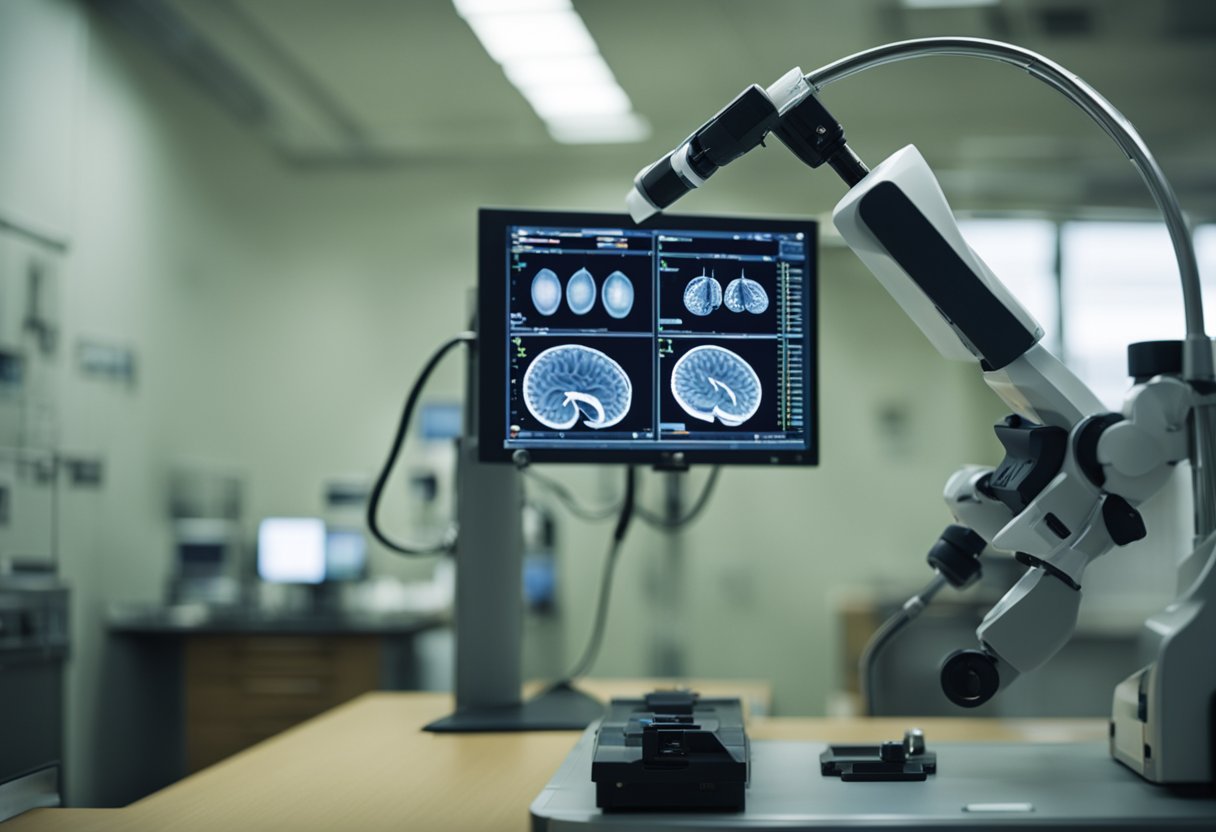
Deep brain stimulation (DBS) has emerged as a significant advancement in the field of clinical neurosciences. Over the past two decades, researchers have been exploring its potential for treating various neurological and psychiatric disorders. The technique involves implanting electrodes within specific brain regions to modulate neural activity, aiming to alleviate symptoms and improve the quality of life for patients.
In the realm of movement disorders, one of the most well-known applications of DBS is in the treatment of Parkinson’s disease. A study conducted by Mayo Clinic Research assessed deep brain oscillations in patients undergoing DBS, shedding light on the impact of high-frequency stimulation on brain function. This method has shown promising results in reducing motor symptoms such as tremor, rigidity, and bradykinesia, with ongoing studies aiming to refine and optimize its application.
Apart from Parkinson’s disease, DBS has been explored for its potential in treating neuropsychiatric conditions, cognitive disorders, and even chronic pain. According to a review published in Nature Neuroscience, the effectiveness of this treatment modality for conditions like major depression, obsessive-compulsive disorder, and Tourette’s syndrome is currently being investigated.
Increasing our understanding of the brain’s complex networks has paved the way for research on DBS in the context of cognitive disorders like Alzheimer’s disease and dementia with Lewy bodies. Recent and ongoing clinical trials have been focusing on stimulating network targets within the brain to potentially slow cognitive decline.
In the pursuit of refining and expanding the applications of DBS, researchers face various challenges and future directions for its development. Factors such as patient selection, target identification, stimulation parameters, and potential side effects are continuously being examined to improve safety and efficacy.
All in all, the landscape of deep brain stimulation research and clinical trials is vast, encompassing various movement disorders, neuropsychiatric conditions, and cognitive disorders as potential targets for this innovative treatment. As advancements in technology and our understanding of brain function continue to evolve, the possibilities for DBS and its impact on the lives of patients remain a focal point within the sphere of biological psychiatry and neuroscience.
Future of Deep Brain Stimulation
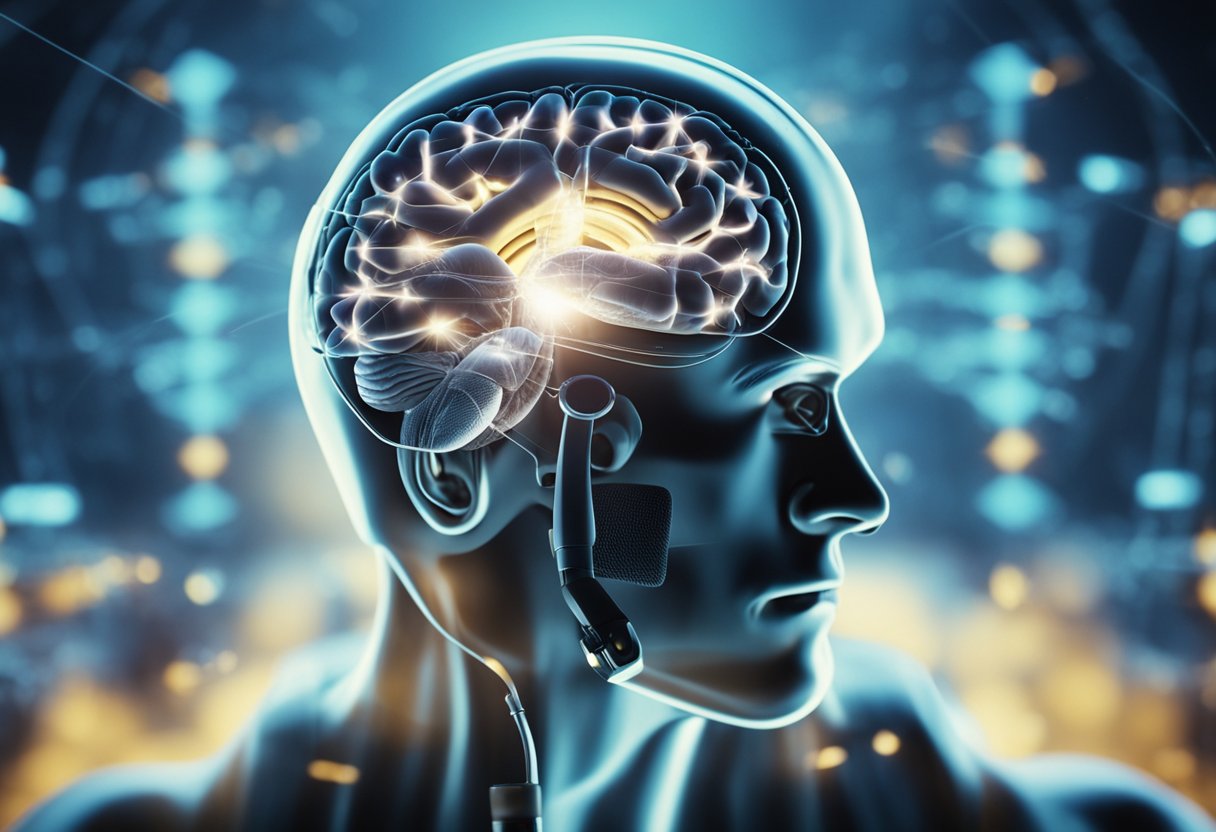
Deep brain stimulation (DBS) has emerged as a revolutionary treatment for various neurological disorders over the past few decades. The neurosurgical procedure targets specific brain circuits, significantly impacting the lives of those suffering from conditions such as Parkinson’s disease, essential tremor, and dystonia. The future of DBS holds promise for addressing other conditions marked by motor fluctuations, dyskinesias, and genetic factors that affect brain circuitry.
One potential application of DBS involves refining stimulation parameters to optimize its benefits. Technological advancements in DBS devices, and the use of closed-loop stimulation techniques, could improve the management of motor fluctuations and dyskinesias by offering precise control over the therapy ^[1^]. This would allow adaptations to patients’ changing conditions, enhancing their quality of life.
Another area of future research is the expansion of DBS targets for new indications. The subthalamic nucleus (STN) has been a well-established target for Parkinson’s disease therapy, but other regions of the brain, such as the subgenual cingulate area, have started to show positive results in conditions like major depressive disorder and Alzheimer’s disease ^[2^]. These novel targets could open doors for new treatment possibilities in the coming years.
Moreover, genetic factors play critical roles in the development and progression of various neurological conditions. The integration of genetic research into DBS therapies could help tailor interventions based on the patient’s unique genetic makeup. This personalized approach can potentially lead to more effective and targeted treatments ^[3^].
In summary, the future of deep brain stimulation encompasses refining stimulation parameters to address motor fluctuations and dyskinesias, broadening the range of treatable conditions by exploring new target regions, and incorporating genetic information into personalized therapy plans. These transformative developments could considerably improve the quality of life for individuals suffering from a diverse range of debilitating neurological disorders.
Frequently Asked Questions
How can I purchase DeepBrain Chain?
To purchase DeepBrain Chain (DBC), you will need to use a cryptocurrency exchange that supports it. You can create an account on such an exchange, ensure you have the necessary funds, and then proceed with the purchase. Always do your research and choose a reputable platform before making any cryptocurrency transactions.
What is the contract address for DeepBrain Chain?
The contract address for DeepBrain Chain (DBC) can be found on several blockchain explorers, such as Etherscan. Ensure you have the correct address to avoid any potential issues with transactions. It is vital to verify any contract address to ensure the security of your assets.
Are there any reviews available for DeepBrain AI?
Yes, there are reviews available for DeepBrain AI. A quick online search will provide you with articles and user reviews of the platform. Some places to find reviews include unite.ai and influencermarketinghub.com. Reading reviews can help you understand the opinions of users and experts and make an informed decision regarding the platform.
Can I access DeepBrain AI on GitHub?
DeepBrain AI is a proprietary software, and its source code is not open to the public. As such, you cannot access DeepBrain AI on GitHub. Nevertheless, you can explore their official website to learn more about their product offerings and other information.
What is the price prediction for DeepBrain Chain in 2025?
As an AI assistant, I should not provide financial advice or predictions. The price of cryptocurrencies, including DeepBrain Chain, is subject to fluctuations and is influenced by various factors. It is best to conduct your research and consult financial experts before making any investment decisions relating to cryptocurrencies.
What are the costs associated with using DeepBrain AI?
The costs associated with using DeepBrain AI can vary depending on the features and usage level. You can find more information on their pricing structure on their official website or check ciroapp.com for an overview of their prices. Keep in mind that pricing may change over time, so it is crucial to consult the official website for the most accurate and up-to-date information.