Deep Dream Generator: Unleashing Your Imagination with AI
Deep Dream Generator has become an increasingly popular tool for creating unique and artistic images using advanced artificial intelligence techniques. Originating from Google’s DeepDream project, it has since been developed into a user-friendly image-generating system that can process visual input according to specific styles and patterns. The platform achieves these remarkable results by utilizing complex deep learning algorithms and neural networks, which enhance images to produce a dream-like appearance reminiscent of a psychedelic experience.
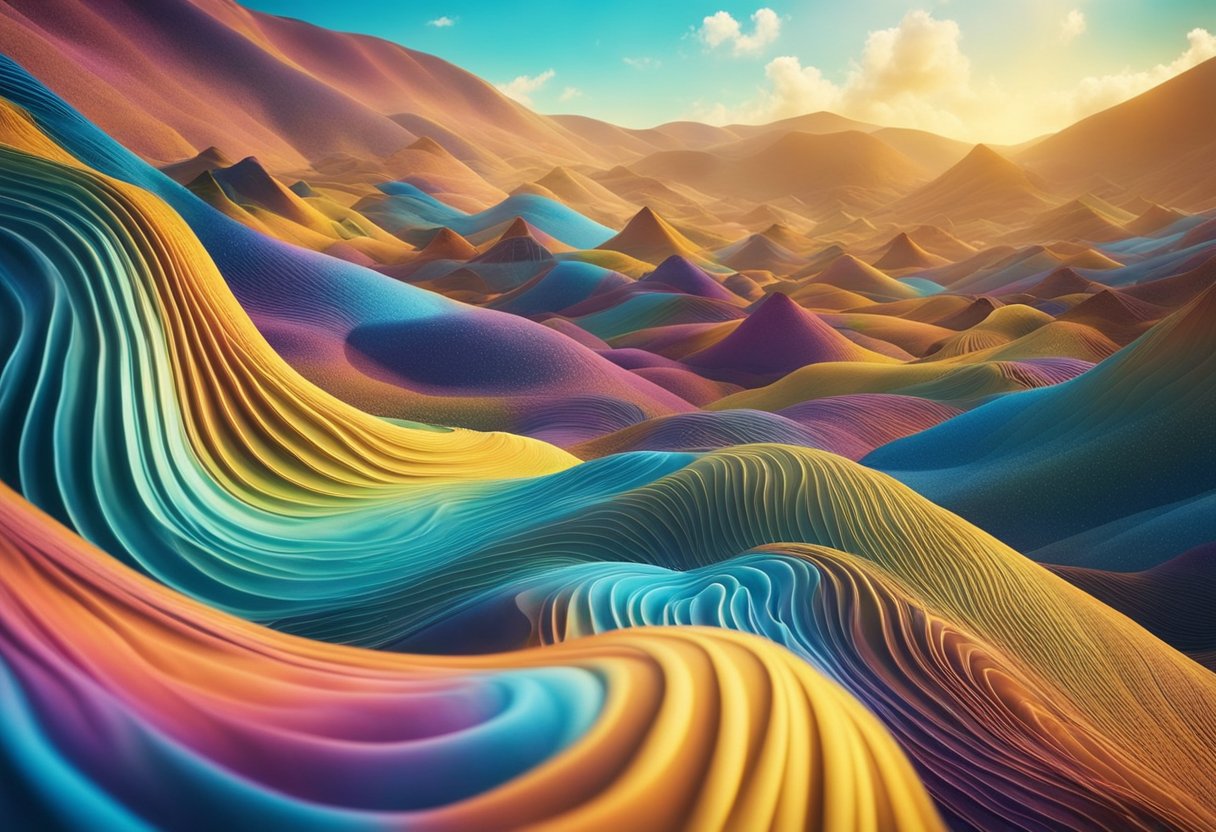
Over the years, the Deep Dream Generator has gained considerable influence in the realms of art and design, inspiring many artists who wish to incorporate AI into their creative processes. By contributing to bridging the gap between traditional art and modern technology, it has opened up new horizons for artistic expression and has reshaped how artists approach their work. In addition, the Deep Dream Generator has expanded its impact into popular culture, attracting a wide range of users interested in exploring the capabilities of AI-driven image manipulation.
The process of creating a Deep Dream image involves feeding the generator with textual input or images, allowing the AI system to interpret and transform the given input into a new, visually stunning output. This transformation is achieved through the convolutional neural networks that have been specifically designed to recognize and process intricate patterns and shapes, magnifying the results in a highly unique, almost hallucinatory manner.
Key Takeaways
- Deep Dream Generator uses AI techniques for creating unique and artistic images
- The technology has had a significant impact on art, design, and popular culture
- Creating Deep Dream images involves utilizing convolutional neural networks to process input and generate visually stunning output.
Understanding Deep Dream Generator
Deep Dream Generator is an innovative tool that uses artificial intelligence (AI) to create mesmerizing, dream-like images from simple text inputs. At its core, it utilizes deep learning and neural networks to generate these captivating visuals. This technology, which is based on a convolutional neural network, manipulates images to resemble the intricate patterns one might see in a dream.
In recent years, AI has made significant strides in the field of computer vision. Deep Dream Generator leverages this advanced technology originally developed by Alexander Mordvintsev to produce unique, psychedelic imagery. The software essentially processes nerve impulses through neurons, allowing for the generation of incredibly detailed images from our thoughts and inputs.
By harnessing AI, machine learning, and deep learning techniques together, the Deep Dream Generator achieves a captivating blend of artistic expression and cutting-edge technology. As a result, users can create dreamlike images in an online creative wonderland with ease and efficiency.
With the rise of neural networks and advancements in AI, tools like Deep Dream Generator are revolutionizing the way we perceive and interact with art. Users can now transform simple text into a complex visual experience, further showcasing the potential of artificial intelligence in the realm of creativity and design.
The Evolution of Deep Dream
Deep Dream is an AI-powered tool that originated from Google’s artificial intelligence research. One of the key players in the development of Deep Dream was Alexander Mordvintsev, a computer scientist at Google. He took part in building and evolving the concept of neural networks, which are inspired by the way human brains function.
The inception of Deep Dream can be traced back to a project called Inception. This project aimed to create a neural network capable of classifying images with high accuracy. During this research, the team found that the neural network was doing more than just classification. It was also generating intricate, dream-like images by amplifying certain image features. This discovery led to the development of Deep Dream as a standalone artistic tool.
This AI-powered image generator, Deep Dream Generator, utilizes deep learning and neural networks to create visually striking images. The tool works by analyzing input images and amplifying dominant features, patterns, and details. The result is an intriguing blend of the original image and the unique creations of the Deep Dream model.
Over time, Deep Dream has evolved and expanded its capabilities. Today, it offers a wide range of artistic effects and styles for users to explore. From transforming simple photos into complex, intricate compositions to generating hyper-realistic artworks, the potential of Deep Dream seems to be continuously growing.
In conclusion, the evolution of Deep Dream showcases the power and versatility of AI-driven art. Its journey from Inception to a fully-fledged, creative tool has undoubtedly paved the way for future advancements in the field of artificial intelligence and artistic expression.
Influence on Art and Design
The Deep Dream Generator has made a significant impact on the realm of art and design by enabling artists to merge their creativity with AI technology. This has led to the development of unique and surreal images that reflect a blend of various artistic styles.
Many artists have drawn inspiration from Deep Dream Generator to create a wide range of art forms, including paintings, digital illustrations, and even 3D image effects. The generator is designed to produce dreamlike visuals that combine elements of well-known artists such as Picasso, Van Gogh, and Rembrandt.
One notable aspect of Deep Dream Generator is the variety of styles incorporated in the artworks it produces. Landscape paintings, for instance, often feature breathtaking and vivid scenery, with elements such as sea, sky, clouds, and forest captured in stunning detail. In addition, surreal images with intricate patterns and shapes evoke the creativity of artists like Jean-Baptiste Monge, Gustave Doré, and Anato Finnstark.
Figurative art is also transformed through Deep Dream Generator, as artists utilize AI to create portraits of young women, sometimes rendered with an otherworldly appearance. The generator’s ability to emphasize certain features – such as long hair and ethereal expressions – often results in captivating and fantastical paintings that harken back to the works of Josephine Wall, Pino Daeni, and Greg Rutkowski.
The incorporation of various artistic styles, from traditional painting techniques to modern digital art forms, is another hallmark of Deep Dream Generator. Watercolor, oil, and alcohol ink are just some examples of the diverse mediums that artists employ while working with the AI-powered tool. The mix of these styles not only produces visually appealing pieces but also contributes to the tool’s ability to produce surreal and dreamlike images.
In summary, the influence of Deep Dream Generator on art and design is undeniable, as it pushes the boundaries of creativity by blending technology and human imagination. The result is a diverse spectrum of artistic styles that evoke the essence of well-known artists, breathing new life into the realms of landscape, portrait, and fantasy art.
The Science Behind Deep Dream Generator
Deep Dream Generator is an AI-driven tool that takes advantage of deep learning and neural networks to create mesmerizing, dreamlike images using input provided by the user. By leveraging a subset of machine learning, it enables the system to understand and recognize patterns in data more effectively. This powerful technology lies at the heart of the generator’s ability to create intricate art forms.
The generator uses convolutional neural networks (CNNs), a type of neural network designed for computer vision tasks such as pattern recognition and image classification. These networks have the unique ability to analyze images at varying levels, enabling the Deep Dream Generator to capture subtle details and generate intricate designs previously unseen.
One of the primary features of the Deep Dream Generator is its Text 2 Dream function, which allows users to transform simple text prompts into vivid images. It relies on the power of neural networks to interpret textual prompts and convert them into stunning visual representations. Users can create unique pieces of art by harnessing the tool’s deep style and deep dream techniques.
The generator operates on an “energy” system, where energy points are consumed to produce an image. This innovative approach ensures that the process is efficient and adaptable. Users can also utilize the Face Enhance feature to improve and refine facial images using advanced AI algorithms.
The Deep Dream Generator offers a continually updated selection of trending images and styles. Users can browse and explore popular creations, providing inspiration for their own projects. This dynamic curation showcases the platform’s versatility and its potential for artistic expression.
Overall, the Deep Dream Generator demonstrates the power and potential of combining deep learning, neural networks, and computer vision to create breathtaking, dreamlike images. As technology continues to evolve, we can expect even more impressive advancements in the AI-based image generation process.
Steps to Create Deep Dream Images
Creating deep dream images is a fascinating process that combines art and technology. To get started with the Deep Dream Generator, follow these steps:
First, sign up for an account using an email address or connect with an existing Facebook or Google account. This grants access to the platform and its features.
Next, upload a base image that will serve as the canvas for the deep dream artwork. It is essential to consider the image’s resolution and aspect ratio as it will influence the final output quality.
Once the base image is uploaded, choose from a variety of effects, styles, and design elements available in the generator. These include Text 2 Dream, Deep Style, and Deep Dream, each offering distinct outcomes. Experiment with different settings to find a combination that results in a captivating piece of art.
After selecting the desired effects and styles, customize the image further by adjusting its resolution, aspect ratio, and other design elements. This ensures that the final product matches the creator’s vision and artistic preferences.
Finally, click the “Generate Dream” button, and the generator will work its magic. Be prepared to wait, as processing the image can sometimes take a while, depending on the complexity of the chosen settings.
In summary, crafting deep dream images is an enjoyable and creative activity, made possible through the combination of artistic vision and AI technology. By following these steps, users can transform ordinary images into stunning, dream-like visuals, showcasing the power of art and innovation.
Exploring AI Image Generators
AI image generators have taken the world of art and design by storm, enabling users to create stunning and unique images with the help of artificial intelligence. Among these platforms, the Deep Dream Generator has gained popularity for its impressive, dream-like image generation capabilities.
Deep Dream Generator is much more than a mere tool for generating images. It is a creative platform that allows users to experiment with various AI techniques to transform their pictures into surreal, dream-like visuals. With its easy-to-use interface and intuitive features, the platform has become a go-to place for artists and enthusiasts looking to explore the possibilities offered by AI in image generation.
One of the standout features of Deep Dream Generator is its use of deep style techniques. This allows users to combine the content of their original image with the style of another image, resulting in a unique and stunning piece of visual art. With numerous styles available on the platform, the creative possibilities are endless.
Another remarkable aspect of Deep Dream Generator is its energy system. Each image generation consumes energy points, which are allocated to users regularly. This innovative approach encourages mindful usage of the platform’s resources and ensures a fair distribution of computational power among its users.
In conclusion, AI image generators like Deep Dream Generator are revolutionizing the world of art and design by providing users with an innovative platform for creative expression. These tools have opened new avenues for the exploration of digital art, making it more accessible and exciting than ever before.
Deep Dream Generator in Popular Culture
The Deep Dream Generator has had an undeniable influence on popular culture, particularly in the realms of music and art. Various artists have employed this AI-powered tool to create mesmerizing visuals with patterns, objects, and themes never seen before. The style and creativity unleashed by this generator have given a new dimension to the world of digital art.
The artistic community has embraced these AI-generated images and incorporated them into their works, often showcasing their pieces in galleries and museums. This unique blend of technology and artistry has captivated people around the world. Emerging street artists are also making a mark with the help of this tool, transforming mundane spaces into captivating visual experiences. Additionally, many musicians have sought inspiration in these surreal visuals, using them in their music videos, album covers, and live performances, adding an extra layer of introspection and otherworldliness to their art.
Nature’s elements, such as the sun and storm, also play a role in the Deep Dream Generator’s popularity. Users are often left captivated by the intricate patterns and designs that emerge when images of these natural wonders are manipulated. For instance, ordinary photographs of a sunlit street can be transformed into jaw-dropping masterpieces filled with radiant colors reflecting off the ground. Similarly, stormy landscapes can be given a new quality of intensity, as the software highlights the raw power and beauty of Mother Nature’s fury.
In conclusion, the Deep Dream Generator has carved a unique space in popular culture by synthesizing cutting-edge technology and the artist’s vision. As more creators continue to experiment and find inspiration with this tool, the public’s fascination with these compelling visuals is only expected to grow.
Deep Dream’s Impact on Future Technologies
Deep Dream Generator has notably contributed to the field of artificial intelligence (AI), especially in the realm of creativity and art. Utilizing deep learning and neural networks, this innovative technology has managed to alter the landscape of digital art by generating dream-like images based on input patterns.
As the field of AI continues to advance rapidly, technologies like Deep Dream play a crucial role in shaping the public’s understanding and appreciation of the potential held by machine learning. By offering a glimpse into the artistic capabilities of artificial intelligence, Deep Dream has demonstrated that creativity is not solely the domain of humans, but can be harnessed by machines as well.
One of the key strengths of Deep Dream lies in its ability to capture and amplify patterns within images, creating intricate, surreal artwork that showcases the power of neural networks. This groundbreaking approach to art generation has garnered significant attention, inspiring both artists and researchers alike to further explore the connections between AI and artistic expression.
The role of Deep Dream and similar technologies in the AI-mediated future of creativity extends beyond the realm of art. Machine learning models can leverage the same principles employed by Deep Dream for a wide range of applications, from analyzing and interpreting complex data sets to generating novel solutions to problems across various industries.
In conclusion, the impact of Deep Dream Generator on future technologies is both profound and far-reaching. By demonstrating the creative capabilities of AI through deep learning and neural networks, this technology has expanded our understanding of machine learning’s potential, setting the stage for an exciting, innovation-driven future.
Frequently Asked Questions
What are the top alternatives to Deep Dream Generator?
Several alternatives to Deep Dream Generator exist, such as RunwayML, Artbreeder, and DALL-E. These platforms also use AI algorithms to generate unique and creative artworks based on user inputs.
How does the Deep Dream Generator work?
Deep Dream Generator leverages AI algorithms and neural networks to combine a content image with a style reference, resulting in a unique piece of artwork. It analyzes the input image’s features and attempts to recreate the original image with the chosen style’s characteristics. The energy system helps maintain a balance between content preservation and style transfer during the process.
Are there any free alternatives to Deep Dream Generator?
Yes, there are free alternatives to Deep Dream Generator, such as DeepArt.io, Ostagram, and NeuralStyler. These platforms allow users to create AI-generated artworks using neural network algorithms without any costs.
Is it safe to use Deep Dream Generator?
Deep Dream Generator is generally considered safe to use for creating AI-generated art. The platform does not typically infringe on user privacy, and users can choose whether to share their creations with the community or keep them private. However, it is essential to follow the platform guidelines to avoid misuse or copyright issues.
What is the pricing structure of Deep Dream Generator?
While some basic features are available for free, Deep Dream Generator offers premium plans to access more advanced features, higher resolution outputs, and faster processing times. The specific price details may vary, so it’s recommended to check the platform for up-to-date information on pricing.
What is the history behind Google’s Deep Dream?
Google’s Deep Dream is an AI experiment aimed at exploring the capabilities of neural networks in creating unique and artistic visualizations. It began as a research project in 2015 by Google engineers as a way to understand and visualize the inner workings of neural networks. The resulting images generated significant interest and paved the way for AI art generators like Deep Dream Generator.