AI Trend Forecasting: Navigating the Future of Technology Advancements
Artificial intelligence has become a pivotal technology in the realm of trend forecasting. It serves as a transformative tool for industries looking to capitalize on the ability to predict market trends, consumer demand, and emerging patterns with precision and speed.
By integrating AI into forecasting models, businesses can process vast amounts of data, revealing insights that were previously inaccessible or too complex to discern through traditional analytic approaches.

The deployment of AI in trend forecasting also reflects a significant shift in how industries operate. For instance, the fashion industry leverages AI to predict upcoming trends by analyzing social media and online data. This enables brands to align their offerings with consumer interests.
Beyond fashion, AI’s forecasting capabilities extend into areas like sales forecasting, telecommunications, and supply chain management. Here, they enhance decision-making processes and foster a proactive rather than reactive strategy.
Key Takeaways
- AI revolutionizes trend forecasting by processing vast datasets to uncover market insights.
- Various industries, including fashion, sales, and telecommunications, integrate AI for enhanced forecasting accuracy.
- AI forecasting advances proactive business strategies and informs decision-making.
Fundamentals of AI in Trend Forecasting
Trend forecasting in modern times heavily relies on the ability of AI to analyze large datasets and predict future outcomes with increasing accuracy. AI algorithms and machine learning play a central role in deciphering complex patterns from historical data, leading to insights that drive strategic decision-making.
Understanding AI and Machine Learning
Artificial Intelligence (AI) encompasses a range of technologies that enable machines to perform tasks that typically require human intelligence. Meanwhile, machine learning, a subset of AI, refers to the method by which computers learn from data to make decisions or predictions.
Machine learning algorithms use historical data as a foundation to recognize patterns and infer probabilistic outcomes. In the context of forecasting, these algorithms are crucial for extracting relevant trends from a multitude of data points.
Two pivotal types of learning within this domain are neural networks and deep learning. Neural networks simulate the human brain’s interconnected neuron structure to process data, whereas deep learning, utilizing complex structures with many layers, finds intricate patterns in large datasets.
Both approaches are particularly adept at handling tasks that include natural language processing and data analysis, making them invaluable to trend forecasting.
The Role of Data in Forecasting
The cornerstone of accurate AI forecasting is robust data. The quality and quantity of data determine the effectiveness of AI in trend forecasting.
Data sources must be comprehensive, covering a wide scope of variables, to feed into AI algorithms, which then evaluate and forecast potential trends.
AI requires large amounts of quality historical data to learn effectively. The data is split into training sets, which the machine learning algorithms use to discern patterns and adjust their predictions, and test sets, which help to validate the accuracy of those predictions.
The myriad of data points collected from diverse sources adds complexity but also depth to the analysis, ensuring nuanced and comprehensive trend forecasts.
Through continuous data analysis, AI systems become progressively more capable, often automating the recognition of patterns that may not be immediately obvious to human analysts. It is this advanced pattern recognition coupled with the ability to process vast datasets quickly that gives AI-powered forecasting tools their edge in efficiency and precision.
Impact of AI on Industries
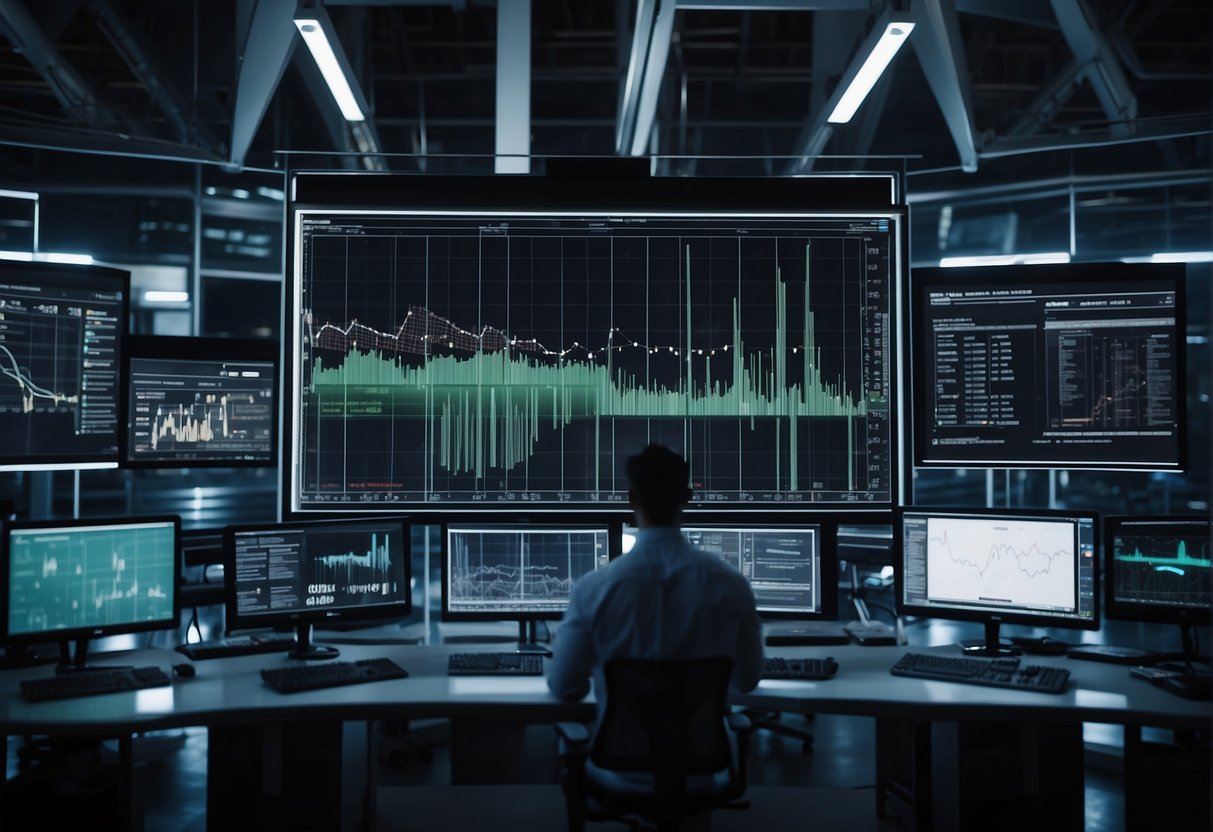
Artificial Intelligence (AI) transforms multiple sectors by streamlining operations and enhancing decision-making with predictive analytics. Industries leverage AI to gain a competitive edge, from automating routine tasks to extracting insights from large data sets.
Retail and Sales Insights
In the retail industry, AI serves as a powerful tool for personalizing shopping experiences and predicting consumer behavior.
By analyzing purchase histories and customer interactions, AI can suggest products that align with individual preferences. Additionally, inventory management grows more efficient through AI-driven forecasting, leading to reduced stockouts and optimized supply chains.
Healthcare and Pharmaceutical Advances
The healthcare sector witnesses notable benefits from AI’s ability to analyze complex medical data rapidly.
AI helps in diagnosing diseases with greater accuracy and suggests treatment plans personalized to a patient’s genetic makeup.
In pharmaceuticals, AI accelerates drug discovery by screening compounds and predicting their effectiveness, potentially saving both time and lives.
Telecommunications and Technology Trends
AI stands at the core of telecommunication and technology advancements.
It enhances network optimization and predictive maintenance, ensuring reliable service delivery. Furthermore, AI facilitates advanced customer service through intelligent virtual assistants that handle queries and complaints with minimal human intervention.
Financial Services Innovations
In finance, AI contributes to risk assessment and fraud detection by scrutinizing transaction patterns for anomalies.
Banks and investment firms incorporate AI for algorithmic trading, which executes trades at high speeds and volumes, taking advantage of market inefficiencies. AI also leads the way in personal financial management, offering tailored advice to clients based on their spending habits and investment goals.
Current Dynamics and Emerging Trends
The landscape of AI trend forecasting is invariably shaped by continuous shifts in consumer behavior, the interplay of economic and environmental realities, and relentless technological innovation. These vectors determine the trajectory of market trends and the adoption of technology across domains.
Consumer Behavior and Social Media
Consumer behavior has evolved to the extent that social media platforms now serve as a barometer for emerging trends.
People’s interactions with content influence the creation and proliferation of new products and services. For instance, sentiment analysis on social media contributes to understanding consumer needs, thereby enhancing operational efficiency. This real-time feedback loop allows for agile adaptations to market trends.
Influence of Economic and Environmental Factors
Economic conditions frequently influence consumer behavior and purchasing patterns, making trend forecasting a complex but crucial part of operations.
Meanwhile, environmental concerns are prompting more sustainable practices in production, like the adoption of Personal Protective Equipment (PPE) that adheres to eco-friendly standards. These factors together embolden the need for comprehensive and predictive analyses of economic and environmental impacts on future trends.
Technological Advancements in Forecasting
The evolution of technology in AI trend forecasting demonstrates remarkable strides in efficiency and precision.
Emerging trends in AI include the use of advanced neural networks for deeper insights into complex data sets. Innovations like multimodal AI, as discussed in IBM Blog, and the incremental developments in small language models are indicative of a future where AI tools become increasingly accessible and are integral to foresight in technological domains.
AI-Driven Processes in Forecasting

AI-driven processes are revolutionizing the way forecasting is approached, enhancing the precision and efficiency of predictions across various industries.
Enhancing Accuracy with Predictive Analytics
Predictive analytics utilizes AI algorithms to analyze historical and current data, allowing for the identification of patterns and trends that human analysts might miss.
This aspect of AI-driven processes not only improves the accuracy of forecasts but also contributes to continuous improvement in decision-making.
Utilizing advanced machine learning models can enhance the delivery rate of capital projects. Meanwhile, by integrating what-if scenario tools, businesses can forecast with greater precision.
Automation of Demand Forecasting
In demand forecasting, automation plays a critical role, enabling rapid processing of vast datasets that would otherwise be unmanageable manually.
AI-driven systems streamline the demand planning process, transforming it into a more efficient and error-resistant endeavor. Strategies such as demand sensing allow companies to anticipate market changes in near real-time, adjusting their production and supply strategies accordingly. The role of AI is to not only gather but also interpret and act upon data with minimal human intervention.
Inventory and Supply Chain Optimization
The incorporation of AI into inventory management and supply chain optimization leads to more accurate stock levels and improved responses to fluctuating demand.
AI systems provide real-time insights, which are instrumental in optimizing the supply chain management. When AI takes the helm for analyzing inventory levels, predicting future stock requirements becomes more reliable.
Furthermore, AI has shown to improve the planning process, ensuring that different business units operate in synergy, and their operations are aligned with the predicted demand.
The Fashion Industry and AI

The incorporation of AI into the fashion industry has revolutionized how trends are analyzed and predicted. It has become an indispensable tool for designers and brands striving to understand and influence fashion developments.
Trend Analysis for Fashion Trends
AI systems like Heuritech utilize vast data sets to provide insights into emerging fashion trends.
By scanning social media posts, online magazines, and runway shows, these technologies identify patterns in styles and colours that are gaining traction. This allows manufacturers and retailers to respond swiftly to shifts in preferences, often adjusting their inventories and marketing strategies to align with the predicted trends.
Social Media and Influencer Impact
Platforms like Instagram have become goldmines for data on current fashion tastes.
Influencers and celebrities showcase edgy and trendy styles to vast audiences, offering a real-time look at what’s gaining popularity. AI tools analyze these social media posts, enabling brands to distill actionable insights from them.
The impact of influencers on the fashion industry is substantial as their endorsements can instantly propel an item to mainstream success.
Sustainability and Ethical Fashion
In a move towards more sustainable practices, the fashion industry employs AI to predict which styles will endure beyond a single season. This reduces fabric waste and improves supply chain efficiency.
AI’s predictive capabilities extend to monitoring the social media buzz around ethical fashion. This pushes designers to incorporate eco-friendly materials and cuts into their collections.
Trend forecasters are increasingly relying on these insights to promote longevity in designs and adopting ethical guidelines in their manufacturing processes.
By leveraging AI, the fashion industry is not only becoming more efficient but also more responsive to consumer demands for sustainability and innovation.
Evaluating AI Effectiveness and Strategies
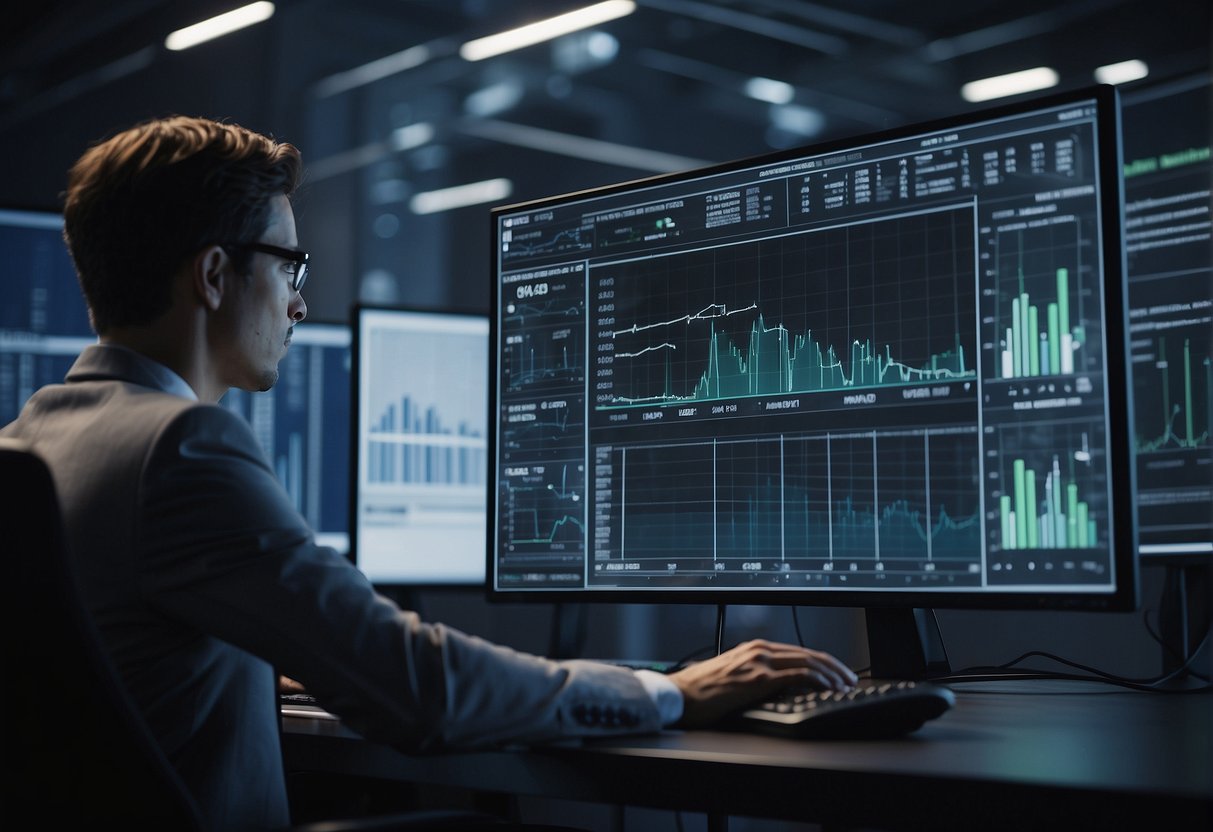
Artificial Intelligence (AI) has become instrumental in enhancing operations and decision-making, particularly in trend forecasting. Its effectiveness hinges on precision and the ability to provide a clear depiction of current market trends.
Measuring Performance and Market Relevance
AI systems are rigorously evaluated based on their accuracy and precision. These metrics are critical for CIOs like Tony Pinville to ensure that their operations are informed and aligned with actual market demands.
Performance measurement often involves comparing AI-generated forecasts to actual outcomes. This is especially important in areas such as manufacturing, where new products must meet consumer expectations shaped by pandemics like COVID.
Assessing market relevance requires scrutiny of AI forecasts against online reviews and demographics data to validate their applicability.
Incorporating External Data for Comprehensive Analysis
For a holistic view, AI trend forecasting models integrate external data such as weather patterns and economic indicators. This enhances the informed decisions made by businesses.
This strategy reflects the complex dynamics of current market trends affected by unprecedented events like the pandemic.
By analyzing external variables, AI assists in adapting strategies for product launches and inventory management. This reflects the ever-changing consumer behaviors and market conditions.
Future Directions and AI Advancements
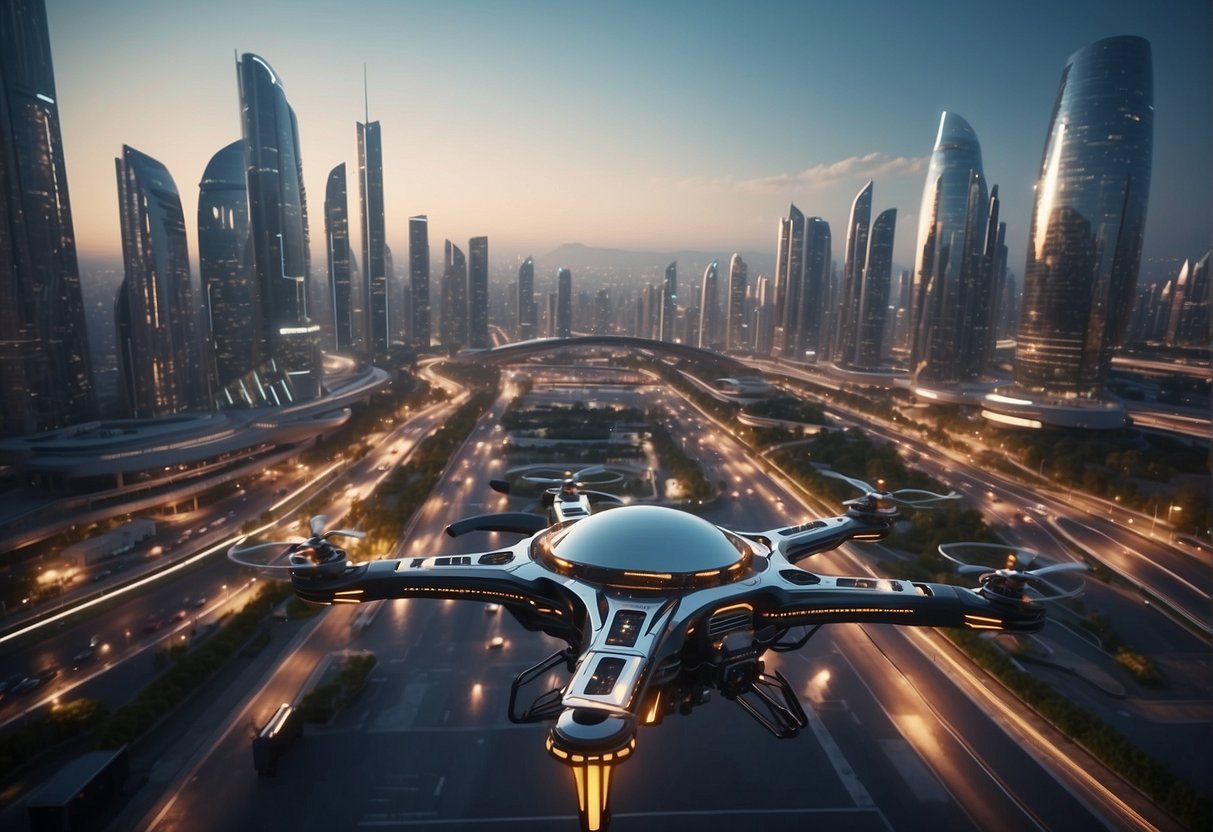
Advancements in AI continue to shape various industries, with significant strides in algorithm development and their real-world applications. Market dynamics are evolving rapidly, influenced by the predictive capabilities of AI, which is also transforming user experiences through more personalized interactions.
Evolution of AI Algorithms and their Applications
AI algorithms are undergoing a transformative evolution, becoming more capable and efficient. For instance, generative AI is expecting a transition into practical tools that the everyday person can utilize.
They are moving beyond novelty, finding roles in creative industries, healthcare diagnostics, and personalized education.
Deep learning techniques are advancing image recognition technology, allowing machines to interpret and analyze visual data with unprecedented accuracy.
Speech recognition is also improving, with applications in real-time translation and voice-activated assistance becoming more reliable and ubiquitous.
Anticipating Market Shifts with AI
AI’s predictive analytics is playing an essential role in understanding and anticipating market trends.
Sophisticated algorithms analyze vast datasets to identify patterns and insights that human analysts might overlook.
The implementation of AI in market analysis leads to more informed decision-making. With AI, businesses can respond swiftly to changes in consumer behavior and industry shifts.
In particular, the use of sentiment analysis tools allows companies to gauge public opinion and adapt strategies accordingly.
User Experience and Engagement through AI
The interface between AI and user engagement is becoming increasingly seamless. Customized user experiences are being driven by AI’s capacity to analyze and predict individual preferences.
Technologies like chatbots and virtual assistants are using natural language processing to improve interactions. This makes them more intuitive and less robotic.
Companies are leveraging AI to not only respond to user inquiries but also to proactively offer assistance. This creates a proactive engagement that feels personal and attentive.
Frequently Asked Questions
Artificial Intelligence is reshaping the landscape of trend forecasting by providing sophisticated tools for pattern recognition and predictive analytics. These advancements have a profound effect on various industries, including fashion.
What are the best sources for learning about AI applications in trend forecasting?
One can gain insights into AI’s role in trend forecasting from industry articles and AI tool reports. These platforms discuss how AI is used to recognize patterns and future trends.
How has AI influenced the methodology of trend forecasting in the fashion industry?
AI has revolutionized the fashion industry’s approach to trend forecasting by enabling real-time data analysis and enhancing predictive accuracy. Fashion companies now use AI to quickly adapt to changing consumer behaviors.
What are the notable trend forecasting agencies that incorporate artificial intelligence?
Agencies like The Weather Company have begun utilizing AI by integrating data from various forecast models. Such integration improves the precision of their predictions in the arena of weather, which indirectly affects fashion trends.
Can you recommend some authoritative books on AI-driven trend forecasting?
For a thorough understanding of AI in trend forecasting, seeking out comprehensive guides and analyses by experts in the field is recommended. Although specific book titles are not provided here, the latest publications from reputable publishers in data science and analytics will be beneficial.
In what ways can artificial intelligence enhance the accuracy of fashion trend predictions?
Artificial intelligence amplifies prediction accuracy by analyzing vast datasets, identifying emerging patterns, and learning from real-time consumer interactions. This leads to more tailored and timely trend forecasts in fashion.
What are the emerging trends in AI that may impact future fashion trend forecasting?
Ongoing advances in machine learning algorithms and the integration of AI with big data are among the emerging trends. These trends promise to further refine the predictive capabilities within the fashion industry.