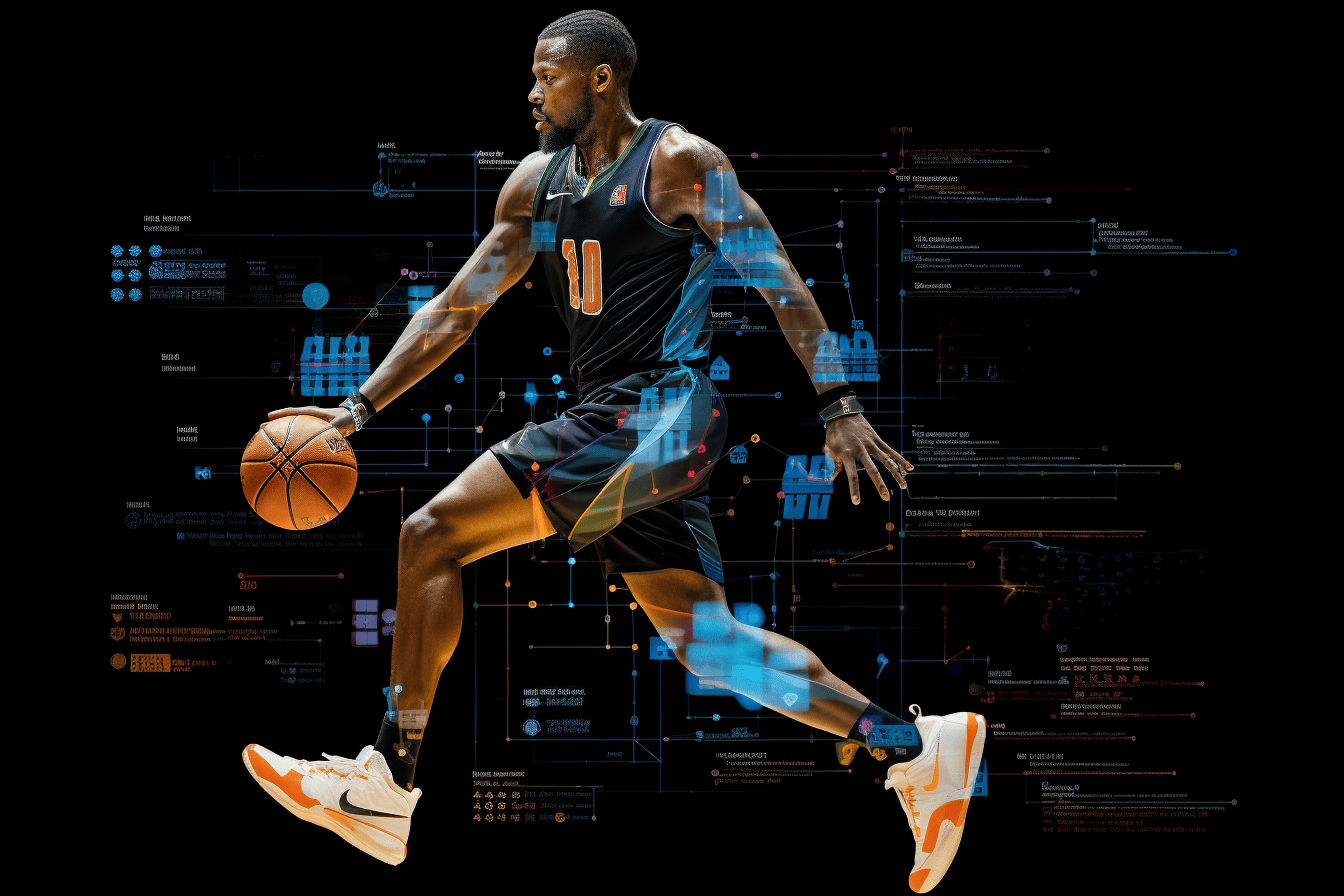
AI in Sport: Transforming Performance and Fan Experience
In recent years, the world of sports has been revolutionized by the surge in artificial intelligence (AI) applications. This cutting-edge technology is being integrated into various aspects of the sport industry, altering how athletes train, how coaches strategize, and even how fans engage with their favorite sports. AI brings a level of precision and insight that was previously unattainable, leading to more informed decisions and improved outcomes on and off the field.
The intersection of AI and sports has given rise to numerous innovations, from player performance analysis to sports analytics and predictive modeling. Emerging AI technologies are making headway in areas such as sports broadcasting and journalism while also transforming the landscape of sports betting and gambling. As a result, the business impact of AI in sports is profound, with new opportunities and challenges arising for professionals in the industry.
Key Takeaways
- AI is revolutionizing various aspects of the sports industry, from training to fan engagement
- Numerous AI innovations are improving player performance, analytics, and overall sports strategy
- AI-driven technologies are transforming sports business, with implications for broadcasting, journalism, and betting
The Intersection of AI and Sports
In recent years, the world of sports has been witnessing the transformative impact of artificial intelligence (AI). As a technology enthusiast, I find AI’s ability to optimize various aspects of the sports industry, ranging from business decision-making to enhancing athlete and team performance, quite fascinating 1. Real-time data analysis, powered by AI, is changing our understanding of sports, thus revolutionizing the industry on a global scale 2.
In the realm of sports training, AI serves as an assistive technology for athletes. It provides specific support by incorporating advanced computer science and information technology systems 3. Personally, I believe that the precise analysis provided by AI can significantly impact an athlete’s performance, injury prevention, and recovery.
Additionally, AI plays a crucial role in information extraction from streaming data. This could be through event detection, monitoring the health parameters of athletes, and assessing their performance in real-time 4. I’ve noticed that coaches increasingly harness the potential of AI in their decision-making processes, thereby enabling better strategies and tactics during games.
Lastly, AI’s role in fostering the overall growth and development of sports across countries is noteworthy. For instance, China’s “Internet Plus Sports” initiative highlights the strategic importance of AI application in the sports sector 5. This move not only advances R&D but also resonates China’s aspiration to become a sports powerhouse.
In summary, the intersection of AI and sports unveils numerous opportunities to optimize various aspects of the industry. AI is undoubtedly a game-changer, and as a first-person observer, I am truly excited about the vast possibilities it presents.
AI Applications in Various Sports
AI in Basketball
As a sports enthusiast, I find it fascinating how AI has started to revolutionize basketball. The NBA (National Basketball Association) is heavily embracing AI technology to improve team performance and engage fans in novel ways. For example, AI-driven video analytics can provide detailed insights into player movement on the court, helping coaches develop superior tactics and enhance athlete performance.
Another application of AI in basketball is in injury prevention. By analyzing players’ physical data, AI systems can predict potential risks and recommend personalized training programs to minimize injuries. This is crucial for the well-being of players as well as maintaining a team’s competitive edge in the NBA.
Additionally, AI has made strides in enhancing the fan experience. Advanced algorithms can create engaging highlight reels in real-time, resulting in more enjoyable content and attracting audiences to NBA games.
AI in Baseball
Major League Baseball (MLB) has also embraced AI and machine learning to augment the sport. One notable use of AI is in the form of player evaluation and performance optimization. Teams use AI-driven analytics to evaluate player statistics, such as pitch velocity and swing mechanics, allowing coaches to make data-driven decisions for better player performance.
In baseball, strategizing is a vital aspect of the game. AI can analyze vast amounts of data to identify patterns and trends, allowing teams to develop effective in-game strategies that adapt to their opponents’ tactics.
Moreover, AI is also being utilized to improve the training process for baseball athletes. Personalized training programs based on machine learning algorithms can provide advanced diet plans and tailored exercise regimens to enhance player performance and reduce the risk of injury.
Lastly, AI technology benefits the fan experience in baseball, just like in basketball. Dynamic ticket pricing, real-time game updates, and engaging content creation are some ways AI-generated content keeps fans excited and connected to Major League Baseball events.
AI and Machine Learning in Player Performance
Player Performance Measurement
In recent years, AI and machine learning have played a significant role in measuring player performance. Using wearable technology, such as sensors and high-speed cameras, it has become possible to track various aspects of an athlete’s performance more accurately. For instance, machine learning algorithms can determine Leg Before Wicket (LBW), forward pass, penalty kicks, and other actions in different sports more effectively than the human eye alone source. With this data on hand, players can study their performance, making targeted improvements and preparing better for upcoming competitions.
Training and Coaching
AI-powered tools have revolutionized training and coaching in sports. Coaches can now quickly analyze large and complex datasets, enabling them to identify player patterns and opportunities for improvement. Machine learning algorithms assist in automating and speeding up this information collection process, making it more efficient and actionable source. As a result, coaching strategies can be tailored to individual athletes or teams, based on detailed performance data, leading to more effective training sessions and improved player development.
Injury Prevention
Injury prevention is a crucial aspect of modern sports, and AI technology helps in this regard. By combining biometrics data, such as heart rate, muscle fatigue, and movement patterns, with machine learning algorithms, it becomes possible to identify potential injury risks early on source. This information allows athletes to make adjustments to their training regimen or receive proper medical attention before an injury occurs. As a result, players can maintain better overall physical condition and extend the longevity of their careers.
Player Recruitment
The use of AI and machine learning has also impacted the talent identification and acquisition process in sports. By analyzing vast amounts of data from scout reports, player performance statistics, and even social media activity, AI algorithms can uncover hidden gems and predict future star athletes source. This technology enables teams to make more informed decisions when recruiting, investing their resources in athletes with the highest potential for success. In turn, this leads to more competitive teams and better overall performance in the long run.
AI in Sports Analytics and Predictive Modelling
Game Analysis
In recent years, I’ve noticed that AI and machine learning have played a significant role in sports analytics. The use of data and statistics has provided valuable insights into player performance and helped coaches make informed decisions. With the growth of big data, predictive analytics has become a key aspect of sports analytics, utilizing deep learning algorithms to process and interpret vast amounts of sports data efficiently.
As a result, I find that AI-driven game analysis has revolutionized the way teams and coaches study their opponents and devise game strategies. For instance, AI algorithms can now analyze complex patterns of player movement and identify weaknesses in the opposition’s tactics. This detailed analysis allows teams to focus on specific areas for improvement and create tailored game plans.
Match Predictions
Another aspect of sports analytics that has greatly benefited from AI is match predictions. Sports forecasting has evolved with the application of predictive modeling techniques, which leverage data science in sports to predict outcomes accurately.
One area where I’ve seen AI being utilized effectively is in scouting and player recruitment. By leveraging predictive analysis and data science, AI can assess player performance and potential, giving teams a competitive edge in identifying and signing talented athletes.
Moreover, AI’s ability to analyze large sets of data makes it an invaluable tool for predicting match results, scoring potential, and various other game-related outcomes. This information can be utilized by sports professionals, gamblers, and even fantasy sports enthusiasts.
In conclusion, it’s evident that AI has had a profound impact on sports analytics and predictive modeling. From game analysis to match predictions, AI algorithms and data science have transformed the way we understand and interact with sports, ultimately enhancing our experience and enjoyment of the games we love.
AI in Sports Betting and Gambling
In recent years, the use of Artificial Intelligence (AI) in sports betting and gambling has gained significant traction. AI-driven technologies have opened up a realm of personalized gambling experiences for sports bettors. Sportsbooks now leverage machine learning algorithms to analyze individual betting patterns, preferences, and historical data, creating tailored recommendations for users.
My understanding of AI in sports betting is centered around its application to analyze player performance in various sports, including football (soccer), basketball, and cricket. This analysis tracks movements, calculates speed and agility, and measures other data points. As a result, it provides bettors and bookmakers with valuable insights for making informed decisions.
With the consistency in data generation in sports, bookmakers have started using AI to tap its full potential. They offer unique in-game betting opportunities and bet simulation tools to increase bettor engagement. AI algorithms can process player data in real-time, providing up-to-date statistics and probabilities.
I have noticed the impact of AI on sports betting extends beyond enhancing user experiences. It also shows promise in accurately predicting the outcomes of sports events. In one instance, an AI researcher combined sentiment analysis from Twitter and PyTorch for deep learning, successfully converting $2,000 into about $7,000 on two bets on a grey market sports betting site.
In conclusion, AI is revolutionizing the sports betting and gambling industry by offering personalized experiences, improving decision-making, and helping predict outcomes with greater accuracy. As the technology continues to evolve, I expect even more significant advancements and innovations to emerge in this space.
Emerging AI Technologies in Sports
AI-assisted Fitness Apps
I’ve noticed that AI-assisted fitness apps are becoming increasingly popular these days. They use advanced algorithms and real-time data to provide personalized workout routines, nutrition plans, and progress tracking. Some apps even incorporate Augmented Reality (AR) and Virtual Reality (VR) to provide an immersive and engaging workout experience. These technologies have made it easier for individuals to achieve their fitness goals and maintain a healthy lifestyle.
AI Referees
AI is also playing a significant role in sports officiating. Advanced computer vision technology allows AI referees to make accurate and unbiased decisions in high-speed sports matches. For instance, the Hawkeye system in tennis uses multiple cameras to track the ball’s trajectory and automatically determine whether it was in or out. This real-time analysis not only helps in eliminating human error but also enhances the overall viewing experience for fans.
Wearable Technology
Wearable devices, equipped with AI capabilities, have become an essential aspect of modern sports, providing athletes and coaches with valuable insights. For instance, AI-powered wearables can analyze the athlete’s biomechanics, monitor their heart rate, and measure their performance, all in real-time. This data can be used to optimize training sessions, prevent injuries, and ultimately enhance performance. As wearable technology continues to advance, I envision it becoming an integral part of sports and fitness in the coming years.
AI in Sports Broadcast and Journalism
Automated Sports Journalism
As a sports enthusiast, I’ve seen how artificial intelligence is transforming the landscape of sports broadcasting and journalism. Automated sports journalism, for instance, has made it possible for media outlets to rapidly generate news articles and summaries based on game results and statistics. This automation not only saves time but also allows for more consistent coverage of various sports events. While it may not replace the need for human journalists, it does offer a new tool for delivering timely and accurate sports news.
The use of AI-driven automated journalism enables media outlets to expand their sports coverage capabilities and brings news to fans in real time. This technology helps in increasing revenue and enhancing the overall sports journalism experience for both fans and broadcasters.
Camera Angles and Streaming
AI is also impacting the way sports are broadcasted and streamed. By employing advanced algorithms, AI can analyze the movements of athletes on the field and automatically determine the optimal camera angles to capture the most significant moments in the game. This not only improves the quality of the broadcast but also ensures that fans are able to enjoy the games from various perspectives, providing a more immersive experience.
Streaming platforms, which have become increasingly popular for sports enthusiasts, are utilizing AI technologies to deliver personalized content and advertising to their users. Based on viewer preferences and habits, AI algorithms curate game highlights and related content, providing a tailored experience for each fan.
By leveraging AI in broadcast and journalism, the sports industry is able to offer fans an enhanced viewing experience and stay up-to-date with the ever-evolving technological advancements. As I’ve witnessed, the possibilities for AI in sports are vast and inspiring, and I’m excited to see how it continues to shape the world of sports broadcasting and journalism in the future.
Business Impact of AI in Sports
Ticketing and Fan Engagement
In recent years, the sports industry has witnessed a shift in the way ticketing and fan engagement are handled, thanks to the implementation of AI. Chatbots, for instance, have become a valuable tool for teams to interact with their fans. An example is the Kings Artificial Intelligence (KAI) chatbot developed by the Sacramento Kings, which has made it easier for fans to access information about games, ticketing, and merchandise.
With AI-powered ticketing systems, I’ve observed that personalized experiences and targeted promotions are now more accessible. Fans can receive tailored offers based on their preferences and previous attendance patterns. This helps not only in improving fan experience but also in maximizing ticket sales and revenue for teams.
AI is also playing a crucial role in enhancing fan engagement, both during the games and through various online platforms. Tools like automated sports journalism enable the creation of real-time content that keeps fans engaged and informed. In addition, social media analysis helps teams identify and capitalize on trending topics, allowing them to connect with supporters at the right time and with relevant content.
Impact on Investments
As an industry, sports has traditionally relied on human expertise and intuition when it comes to decision-making. However, the adoption of AI in sports is increasingly proving its worth in guiding investments and strategic decisions. AI’s ability to analyze massive data sets and identify patterns significantly enhances the accuracy of predictive models.
In my experience, AI-powered predictive modeling is particularly useful in player performance analysis. Combining data on physical, mental, and technical attributes with AI algorithms, teams can now make more informed decisions on signing new talents or investing in player development. A great example is the use of AI for advanced player performance predictive models, which has transformed traditional sports analytics.
Moreover, AI has opened up new investment opportunities within the sports industry. For example, AI-driven automated sports journalism companies are gaining traction among investors, as they have the potential to disrupt the way sports content is created and consumed.
Lastly, investments in AI-based fan engagement and sports analytics startups are on the rise, as they help address the increasing demand for personalized content and decision-making support in the competitive world of sports.
In conclusion, I firmly believe that AI has already made a significant impact on the sports business landscape, and its influence will only grow in the future, as more teams and sports organizations incorporate AI-driven tools into their strategic plans.
Footnotes
- https://www.frontiersin.org/articles/10.3389/fspor.2021.682287/full ↩
- https://plat.ai/blog/uses-of-artificial-intelligence-in-sports/ ↩
- https://www.hindawi.com/journals/complexity/2021/4658937/ ↩
- https://www.frontiersin.org/research-topics/16038/using-artificial-intelligence-to-enhance-sport-performance ↩
- https://iopscience.iop.org/article/10.1088/1742-6596/1302/3/032044 ↩