AI in Entertainment: Transforming the World of Films and Games
The world of entertainment is continually evolving, and one of the latest advancements is the incorporation of artificial intelligence (AI) into various aspects of the industry. AI has been making significant strides in the entertainment sector, ranging from film production to marketing and advertising. This technology is becoming an integral part of the industry, pushing the boundaries of creativity and transforming the way we experience media.
At its core, AI in entertainment aims to enhance the overall experience for both consumers and creators. By utilizing powerful algorithms and data analysis, AI can generate content, analyze audience preferences, and even assist in the filmmaking process. As the technology continues to progress, we can expect to see the entertainment landscape shift, potentially impacting everything from copyright laws to the roles of industry professionals.
Key Takeaways
- AI is transforming various aspects of the entertainment industry, enhancing creativity and targeting audience preferences.
- Powerful algorithms and data analysis are key in enabling AI to adapt and excel within the entertainment sector.
- The future of AI in entertainment may impact legal, professional, and content development aspects of the industry.
AI in the Entertainment Industry
Hollywood and AI
In recent years, AI has been making a significant impact on Hollywood and the filmmaking process. AI tools such as generative AI have been implemented in various stages of production, from pre-production to post-production. They help in tasks like script analysis, data-driven casting decisions, and visual effects generation. By using AI, filmmakers can save time and resources while enhancing the overall quality of their projects.
TV and AI
AI’s influence on the television industry has continued to grow as well. Personalized content recommendations are perhaps the most widely known application. AI algorithms analyze users’ viewing history, preferences, and habits to suggest relevant content tailored to individual tastes. Streaming services like Netflix and Hulu rely on such recommendations to keep viewers engaged and increase watch time. AI also plays a crucial role in automating the creation and editing of promo trailers, as well as predicting successful TV shows using analytics and existing data on viewing trends.
Music and AI
The music industry has also started embracing AI technologies in various ways. AI-powered algorithms have been developed to compose new music by analyzing patterns and trends from existing pieces. Tools like OpenAI’s Jukebox and Magenta by Google are examples of such AI musical composers. On the other side, AI applications in music streaming services like Spotify have improved listener experiences by offering personalized playlists and recommending new tunes based on users’ listening habits.
Gaming and AI
Gaming is another area where AI has significantly transformed the landscape. From enhancing game development to creating realistic, dynamic characters, AI has shown its potential in shaping engaging and interactive experiences for gamers. Game developers have started utilizing deep learning techniques to generate realistic textures and avatars automatically, making game design more efficient and cost-effective. Furthermore, AI is also used in providing smarter virtual opponents, procedural level generation, and even predictive analytics to optimize in-game monetization strategies.
Technologies Powering AI in Entertainment
In the entertainment industry, various AI technologies are being utilized to enhance media experiences, streamline production processes, and create more personalized content for audiences. In this section, I will explore the main technologies driving AI in entertainment, including Machine Learning, Generative AI, Neural Networks, and Virtual and Augmented Reality.
Machine Learning
Machine Learning is a cornerstone of AI in entertainment. It enables computers to learn patterns and make smart decisions based on large data sets. Media and entertainment companies can leverage Machine Learning for content personalization, predictive analytics, recommendations, and targeted marketing campaigns. For example, streaming services like Netflix use machine learning algorithms to analyze user behavior and provide personalized content recommendations.
Generative AI
Generative AI is an innovative technology that uses AI algorithms to generate new, original content. It has shown potential across various aspects of the entertainment industry, including:
- Text and script generation for movies and TV shows
- Creation of unique music compositions
- Development of realistic CGI characters and environments
One concern, however, is that generative AI’s rise could potentially replace some of the work done by human creative professionals, but it remains a powerful tool for enhancing the creative process.
Neural Networks
Neural Networks are a key element in AI that mimics the human brain’s structure, allowing computers to process and interpret complex data. In entertainment, neural networks can be used for numerous applications, such as:
- Natural language processing for voice recognition and chatbots
- Visual recognition for content analysis and automated metadata generation
- Predictive analytics and user behavior analysis
For instance, the entertainment industry can deploy neural networks in video games to create more realistic, dynamic, and responsive AI characters.
Virtual and Augmented Reality
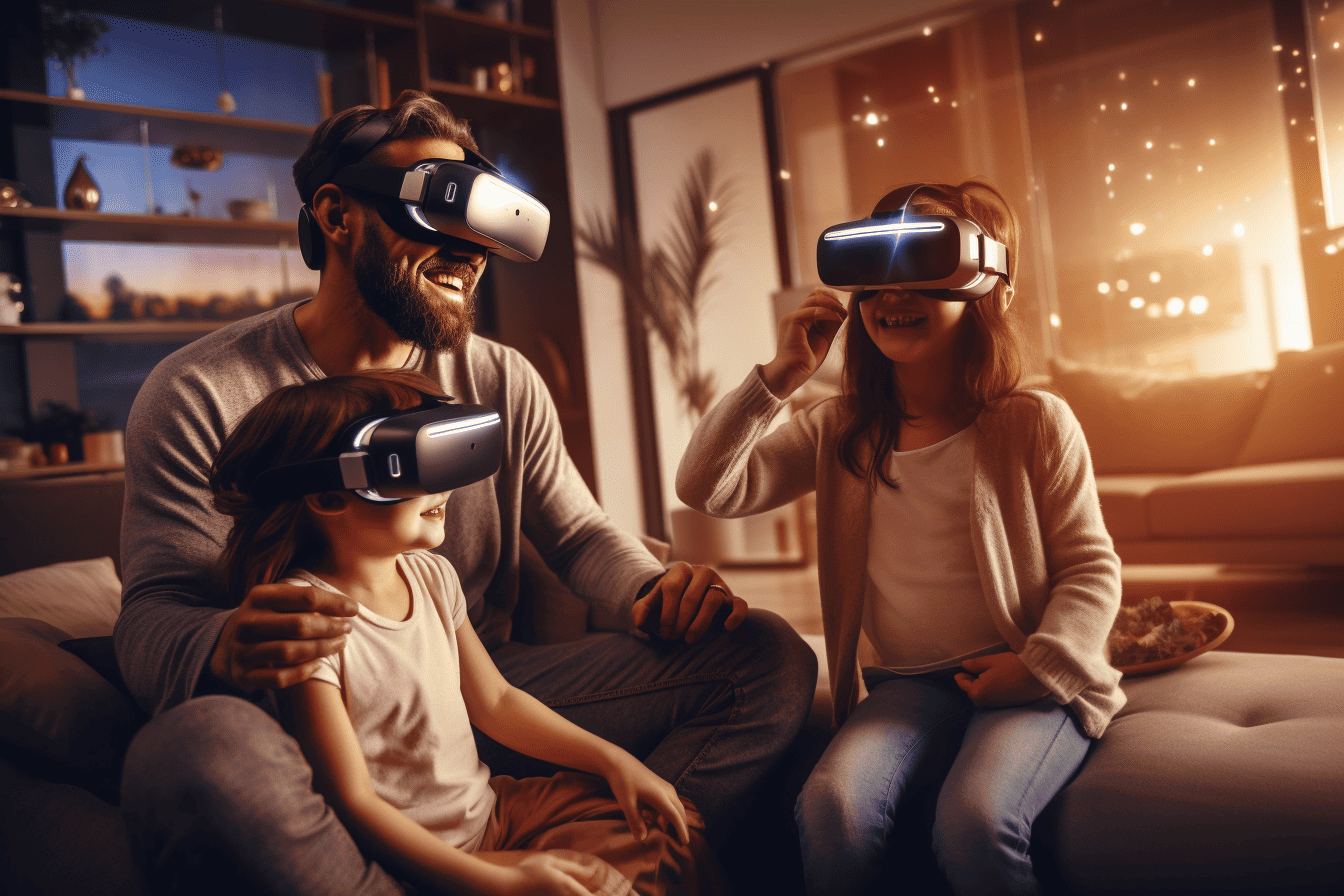
Virtual Reality (VR) and Augmented Reality (AR) are immersive technologies that use AI to create interactive and engaging experiences for users. In entertainment, VR and AR have applications in various sectors:
- Gaming: Creating realistic virtual worlds and enhancing gameplay with interactive AI characters
- Film and TV: Producing immersive virtual or augmented experiences that complement traditional storytelling mediums
- Live entertainment: Enhancing live performances with AR visual effects or providing virtual VIP experiences
Overall, AI technologies like Machine Learning, Generative AI, Neural Networks, and Virtual & Augmented Reality have the potential to revolutionize the entertainment industry by providing new and innovative ways to create, distribute, and engage with content.
AI in Film Production
AI technology is making a significant impact on the entertainment industry, particularly in film production. As an avid observer of this shift, I have noticed remarkable advancements in script writing, special effects, and editing involve the use of artificial intelligence. In this section, I will discuss the integration of AI in these aspects of film production.
Script Writing
In recent years, AI has emerged as a useful tool for script writing. Algorithms analyze existing scripts’ structures, plot points, and dialogue patterns to create unique and compelling stories. For instance, AI can assist screenwriters in breaking writers’ block by offering suggestions or generating entire scenes. Furthermore, AI can help identify potential biases and stereotypes in scripts, ultimately leading to more inclusive and diverse storytelling. It is crucial to note, however, that AI hasn’t yet reached the level of completely replacing human screenwriters but serves as a valuable collaborative tool.
Special Effects
The use of AI in special effects is revolutionizing the way films are created. Many films involve high-quality CGI and visual effects, which are often time-consuming and expensive to produce. AI-powered tools can automate and expedite some aspects of special effects creation, such as character animation and object rendering. Additionally, AI-driven technologies like generative AI can be utilized in enhancing scenes by adjusting lighting, color, or adding subtle visual details. As a result, filmmakers can achieve higher production values and astonishing visual effects without breaking the budget.
Editing
AI has also made significant strides in the editing process, enhancing the efficiency and quality of film production. With AI-enabled tools, editors can quickly navigate through hours of footage, automatically identifying relevant scenes or making content searchable. This reduction in time spent on manual tasks allows editors to focus on the creative aspects of their work, such as refining the narrative flow or incorporating visual storytelling techniques.
In conclusion, AI’s impact on film production is undeniable, and its integration into script writing, special effects, and editing has the potential to revolutionize the future of filmmaking. As AI technologies continue to advance, I expect to see further improvements in the efficiency and quality of films produced.
AI in Marketing and Advertising
Targeted Marketing Campaigns
In recent years, AI has transformed the way marketers design and execute their campaigns. By leveraging machine learning algorithms, AI helps me analyze vast amounts of data to identify patterns in customer behavior. This analysis enables me to develop highly targeted marketing campaigns that appeal to specific audience segments, leading to better engagement and higher conversion rates. Furthermore, AI allows me to monitor and optimize these campaigns in real-time, ensuring that I allocate my marketing budget effectively.
Customer Experience Personalization
One of the most significant benefits of AI in marketing and advertising is the ability to personalize customer experiences. By analyzing user data such as browsing history, demographic information, and preferences, AI enables me to tailor content and recommendations to each individual’s interests. This personalization not only improves customer engagement but also helps build brand loyalty as customers feel valued and understood.
Search Optimization
AI has also revolutionized search optimization in the marketing and advertising sphere. With the help of machine learning algorithms, I can better understand the intent and context behind users’ search queries. This allows me to optimize my content and ad placement to rank higher in search engine results, driving more traffic and conversions for my campaigns.
In summary, by utilizing AI in marketing and advertising, I can craft targeted campaigns, personalize customer experiences, and optimize search results to achieve better outcomes in the entertainment industry.
Leading Companies in AI for Entertainment
Intel
As a leading technology company, I’ve observed Intel working diligently to advance the AI landscape for the entertainment industry. They offer robust solutions, such as the OpenVINO toolkit, that can power advanced computer vision and multimedia applications. In particular, Intel’s AI technologies assist content creators in producing immersive and engaging experiences. Their focus on the deployment of AI technologies across different media formats has positioned Intel as a prominent force in the entertainment sector.
Google’s expertise in AI is well-known, and their contributions to the entertainment industry are also significant. Generative AI has become increasingly popular in the media and entertainment space, with a clear emphasis on personalization and enhanced user experiences. Google’s AI products and tools, such as TensorFlow and Google Cloud Platform, play a vital role in areas like content recommendation, targeted advertising, and even content creation, making the company an essential player in the AI-driven entertainment landscape.
Netflix
In my observation, Netflix has been an excellent example of a company that heavily relies on AI to enhance its entertainment platform. Data-driven personalization is at the core of Netflix’s success, and they continuously invest in AI algorithms to perfect their content recommendations. Netflix has even produced shows using AI-generated scripts to maximize viewer engagement. Through their AI-backed solutions, Netflix has successfully transformed the way viewers consume and interact with content, positioning the company at the forefront of the AI in entertainment space.
AI and Copyright Issues
Ownership of AI-Generated Content
As AI technology continues to develop, we’re witnessing its growing presence in the entertainment industry. One of the major concerns that arise in this context is the ownership of AI-generated content. Traditionally, copyright law awards ownership to human authors and creators. However, AI-generated content challenges this notion, as it’s produced with the help of machine learning algorithms and not by humans alone.
This ownership conundrum has sparked debates among legal scholars, artists, and tech developers, resulting in the emergence of complex legal issues. For example, the recent ruling stating that AI-generated art cannot be copyrighted, because copyright law only extends to human beings, raises questions about how creators can protect their works and the value of AI-generated content in the market.
Copyright Regulations
As AI software becomes more adept at creating content, it’s crucial for copyright regulations to be updated to address the challenges associated with AI-generated works. Currently, copyright law is ill-equipped to handle AI-generated content, as it only offers protection to human creators.
In the context of AI in entertainment, we see artists and writers calling for limits on the use of AI to ensure that their professions and creations are adequately safeguarded. Although present copyright regulations do not offer a comprehensive solution, it is essential for policymakers to evaluate and establish boundaries that can fairly balance the interests of all stakeholders in the industry.
As I continue to explore the impact of AI in the entertainment sector, it is evident that the intersection of technology, creativity, and copyright issues will undoubtedly shape the future of content creation. Navigating this complex territory will require a collaborative effort between lawmakers, artists, and tech developers to establish a legal framework that fosters innovation while respecting creators’ rights and ensuring that all parties can benefit fairly from AI-generated content.
Impact of AI on Entertainment Professionals
Artists
As an artist working in the entertainment industry, I have noticed the growing impact of AI technology on various creative fields. One significant area where AI has made a difference is in content generation. Generative AI can create text outputs, such as stories, scripts, and ad copy, as well as dynamic and static images source. This development offers artists an opportunity to collaborate with AI-driven tools to enhance their creative process and develop innovative content.
Furthermore, AI-generated avatars or “digital humans” are becoming more prevalent in the industry source. As an artist, I can experiment with these avatars to create promotional or educational content quickly and efficiently.
Performers
AI is also affecting performers in the entertainment industry. As a performer, I am aware that AI-driven technology can create highly realistic digital representations of actors, allowing for the creation of advanced special effects and even entire performances without the need for the actor to be physically present source.
In addition, AI can analyze and predict audience preferences, tailoring content to suit viewer tastes source. For me, as a performer, this means having better tools to understand and attract my audience, giving me a competitive edge.
Experts
Experts in the entertainment industry, such as producers, directors, and content creators, can benefit from AI as well. As an industry expert, I might utilize AI technology to:
- Streamline production processes by automating repetitive tasks like video editing or recommending optimal shooting schedules source.
- Create engaging marketing campaigns that resonate with specific audience segments source.
- Discover new talent by analyzing vast amounts of audition material or using AI-driven scripts for casting source.
In summary, AI is proving to be a useful tool for artists, performers, and experts in the entertainment industry. It offers new opportunities for creative collaboration, efficient production, and diverse storytelling. As someone working in this field, I believe that embracing AI technology can help us stay ahead in an ever-evolving industry.
Future Trends of AI in Entertainment
Automation
In the entertainment industry, AI is increasingly being used for automation, making processes more efficient and reducing the need for manual labor. For instance, AI can assist in tasks such as video editing, content moderation, and even scriptwriting, enabling professionals to focus on more creative aspects of their work. One notable example of AI automating part of the creative process is the use of generative algorithms to create realistic CGI scenes, characters, and textures, thus saving time and labor costs for filmmakers and game designers.
Personalized Entertainment
AI is also playing a significant role in personalization within the entertainment industry. As the volume of content grows, it becomes increasingly challenging for consumers to find relevant content that matches their preferences. AI can analyze large amounts of data on user behavior, preferences, and demographics to tailor content recommendations and advertising, creating a more engaging and enjoyable experience for the audience. This also benefits content creators, who can leverage these insights to develop better-targeted content that caters to specific audience segments.
Immersive Experiences
AI-driven immersive experiences are a growing trend in the entertainment world, enhancing the way audiences engage with movies, video games, and virtual reality (VR) experiences. By incorporating AI technology into these mediums, creators can develop more lifelike characters, dynamic environments, and interactive narratives. For example, AI can generate responsive non-player characters in video games that adapt and learn from players’ actions and choices. In VR, AI can be used to create realistic virtual worlds that respond to users’ movements and interactions in real-time, providing an unprecedented level of immersion and engagement.
Throughout these trends in AI’s role in entertainment, the focus remains on enhancing user experiences, optimizing processes, and ensuring content creators can craft unforgettable experiences utilizing cutting-edge techniques. As these trends gain momentum, I believe we’ll continue to see AI play an increasingly important role in shaping the future of entertainment.