AI Influencer: Revolutionizing Brand Marketing Strategies
The world of social media has been experiencing a significant change with the emergence of AI-generated influencers. These virtual personalities, created through advanced algorithms and image generation technology, are gradually gaining popularity and challenging the status of human influencers. With thousands of followers on platforms like Instagram and Twitter, AI influencers are engaging audiences and attracting attention from brands and marketers.
The rise of AI influencers can be attributed to the increasing capabilities of AI technology which allows for the creation of highly realistic and appealing virtual personas. Spanning industries such as fashion, beauty, and entertainment, these computer-generated influencers are breaking ground and reshaping the way businesses and consumers interact. As AI influencers continue to evolve and gain traction, several fundamental questions arise regarding their impact on marketing, engagement, the economy, and ethical considerations.
Key Takeaways
- AI-generated influencers are gaining popularity in various industries, challenging human influencers
- Advanced algorithms and technology enable the creation of realistic and engaging virtual personas
- The growth of AI influencers raises questions about their influence on marketing, economy, and ethical aspects
The Emergence of AI Influencers
Defining AI and Virtual Influencers
AI influencers, or artificial intelligence influencers, are digital personas created with the aid of artificial intelligence technology. These computer-generated personalities use machine learning algorithms and natural language processing to interact, engage, and influence users on social media platforms.
Virtual influencers, on the other hand, are digital characters created using computer graphics software. Their online presence is built and maintained by humans, though they may occasionally use basic AI technology for limited interactions. One of the most famous virtual influencers is Lil Miquela, a digital persona crafted by Los Angeles-based tech company Brud.
AI vs. Virtual Influencers: Understanding the Difference
While both AI and virtual influencers exist in the realm of digital personas, there are distinct differences between the two. Here are some key points to help distinguish them:
- Creation: AI influencers are created using advanced artificial intelligence algorithms, while virtual influencers are designed with computer graphics software.
- Interaction: AI influencers have the ability to learn, adapt, and respond to user interactions, making their social media presence more dynamic. Virtual influencers, on the other hand, rely on human input and scripting for the majority of their content and user interactions.
- Versatility: The use of AI technology allows AI influencers to be more versatile than virtual influencers. According to the Influencer Marketing Hub, 52.8% of respondents in their benchmark report believe that the versatility of AI influencers has a significant impact on the future of marketing and entertainment.
The emergence of AI-powered digital influencers marks a new era in the influencer marketing industry. As AI technology continues to advance, it is reshaping the landscape of social media and providing marketers with unique opportunities to engage and communicate with audiences. However, it is essential to recognize the differences between AI and virtual influencers to effectively harness the potential of these digital personas in various marketing strategies.
AI Influencer Technology
Natural Language Processing and AI Tools
AI influencers leverage advanced technologies like natural language processing (NLP) and machine learning to generate and maintain an authentic online presence. These tools enable AI influencers to:
- Understand and mimic human language patterns
- Adapt to user interactions and conversations
- Produce tailored content for various social media platforms
Some popular AI tools used for influencer marketing include Brandwatch Influencer Marketing Software and Affable.ai. These solutions help in:
- Identifying potential influencer partnerships
- Analyzing the target audience and their preferences
- Reducing the manual effort required in content creation
Creating Hyper-Realistic Digital Avatars
Another key aspect of AI influencer technology is the creation of hyper-realistic digital avatars. High-quality and engaging CGI characters have become more accessible to creators thanks to advances in graphic design tools and techniques. The process typically includes:
- Designing the character’s appearance
- Developing a personality and backstory for the character
- Utilizing AI tools for animation and content generation
Examples of such AI-created influencers include Aitana López and Milla Sofia, who have garnered significant attention and success on social media platforms.
In the rapidly evolving world of social media, AI influencer technology offers brands a unique opportunity to engage with target audiences while minimizing the challenges associated with working with human influencers. By harnessing the power of NLP, machine learning, and realistic CGI creations, AI influencers are shaping the future of digital marketing.
Industry Impact and Uses
Fashion and Lifestyle
AI influencers are making a significant impact on the fashion and lifestyle industry by providing brands with more control over messaging and 24/7 availability. These AI-generated personalities attract followers with their immaculately designed fashion sense and consistent social media presence. In addition, AI influencers can be easily integrated into various fashion campaigns, with the added benefit of increased reliability and minimized risk of negative publicity compared to human influencers.
- Examples: Miquela Sousa (Lil Miquela), Shudu Gram
- Brands benefitting: Prada, Balmain, Fenty
Music and Entertainment
The music and entertainment sector is experiencing a significant shift with the introduction of AI-generated musicians and entertainers. These AI performers are capable of creating original content, from songwriting to music production, offering a unique and innovative experience for fans. Additionally, the gaming industry incorporates AI characters as popular gaming personalities, further solidifying AI’s position in the entertainment landscape.
- Examples: Hatsune Miku (Vocaloid), K/DA (League of Legends)
- Innovations: AI-generated music, virtual concerts, gaming personalities
Brand Endorsements and Advertising Campaigns
AI influencers are revolutionizing the advertising and brand endorsement landscape as well. Their versatility, adaptability, and global reach make them suitable for campaigns targeting diverse markets. Utilizing AI for content brainstorming, influencer discovery, and campaign performance measurement allows advertisers to optimize their strategies and maximize the potential of influencer marketing.
- Examples: Samsung’s Neon, KFC’s virtual Colonel Sanders
- Techniques: Geotargeted content, tailored messaging, disruption-free campaigns
AI has undoubtedly redefined the way industries such as fashion, music, and advertising operate in the influencer marketing domain, while offering unique solutions that cater to the ever-evolving demands of their audiences.
Influencer Marketing and Engagement
Strategy and Target Audience
In the world of influencer marketing, brands collaborate with online personalities to promote their products or services. The success of this marketing method largely depends on the strategy and understanding of the target audience. By utilizing artificial intelligence, marketers and influencers can yield better insights into their audience, helping them tailor content to match their preferences and needs.
AI tools can play a crucial role in segmenting and identifying the ideal target audience for a specific campaign. This allows influencers to create relevant and engaging content that attracts potential customers.
Analyzing Engagement and Conversion Rates
One of the primary objectives of influencer marketing is to increase engagement with a specific audience. AI can be used to analyze various engagement metrics, such as likes, comments, and shares, to determine the overall effectiveness of an influencer marketing campaign.
Further, AI algorithms can now analyze conversion rates based on data from influencer content. By comparing the engagement rates of different influencers, marketers can optimize their campaigns and identify which influencers yield the best results. Examples of AI-powered tools that help with this analysis include The State of AI in Influencer Marketing: A Comprehensive Benchmark Report and Unlocking the Power of AI in Influencer Marketing: Boost Engagement and….
Comparison with Real Influencers
It is essential to compare real influencers’ performance with those powered by AI, as AI-generated influencers are gaining momentum in the industry. While real influencers offer a personal touch and genuine endorsements, AI-driven influencers can provide scalable marketing solutions.
For instance, generative AI has been successfully utilized to create influential digital personas with tailored content for specific target audiences. However, the performance of these AI-generated influencers versus real influencers still depends on various factors such as brand fit, authenticity, and overall engagement.
In conclusion, AI has undoubtedly impacted influencer marketing and engagement, enhancing both the strategies and the analysis of these campaigns’ effectiveness. By harnessing the power of AI, marketers can make better-informed decisions, optimize their strategies, and, ultimately, achieve better results.
Social Media and Platforms
Presence on Instagram, TikTok, and YouTube
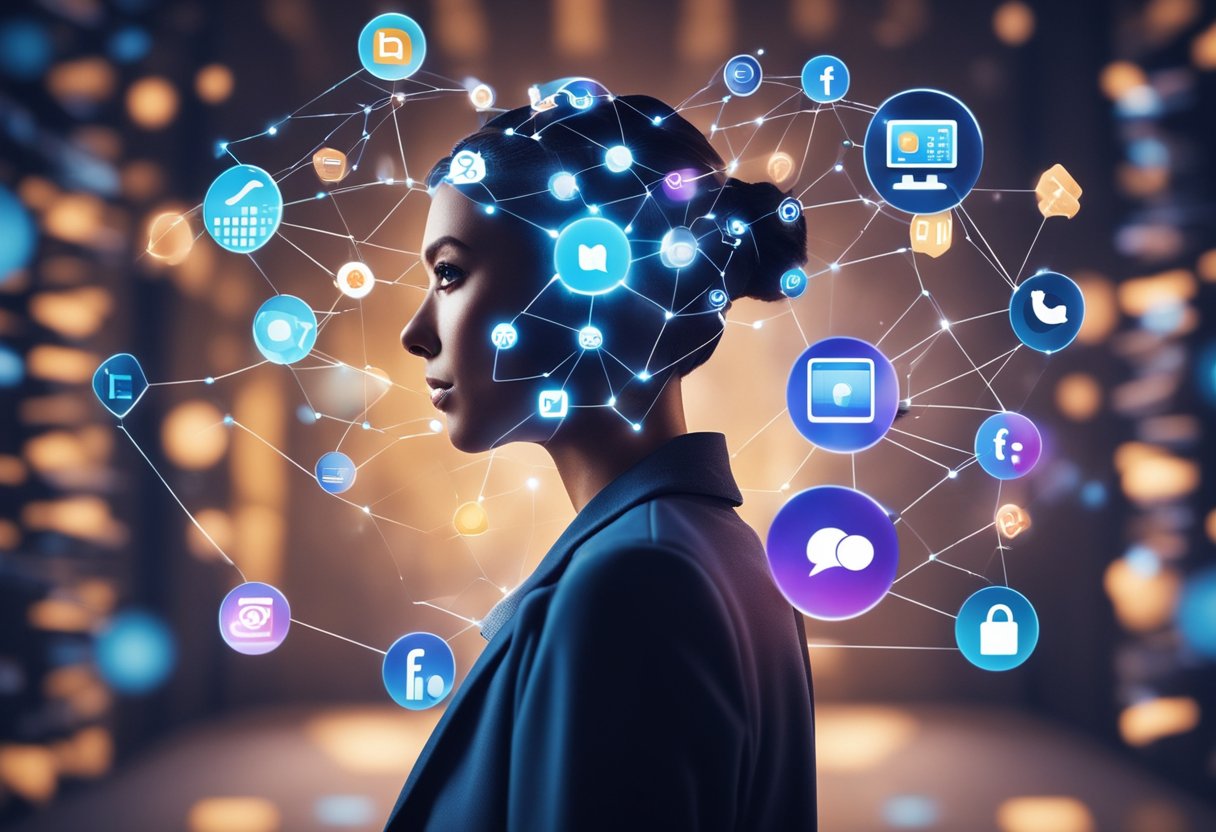
AI influencers have established a strong presence on popular social media platforms like Instagram, TikTok, and YouTube. On Instagram, AI models such as Aitana López have gained thousands of followers, with some earning up to $11,000 a month. Similarly, TikTok has become a successful platform for virtual influencers like Milla Sofia, who entertain viewers with a variety of interesting content. YouTube also serves as an essential platform for AI influencers, enabling them to engage with fans through vlogs, Q&As, and product reviews.
Collaborations with Brands on Twitter and Twitch
Many AI influencers take advantage of their growing online presence by collaborating with brands on Twitter and Twitch. Twitter serves as an effective platform for sharing promotional content, working on product campaigns, and interacting with consumers. Meanwhile, Twitch appeals to the gaming community, as some AI influencers have found success streaming gameplay, partnering with game developers, or endorsing gaming-related products.
Impact on Social Media Influencers and Creators
The rise of AI influencers has created a noticeable impact on the social media landscape, with traditional influencers and content creators starting to embrace generative AI technology. According to Forbes, AI-powered tools are increasingly being adopted to help create high-quality, multipurpose content at lower costs. As AI technology continues to advance, it is likely to serve as both a competitor and an ally for human influencers and creators, influencing how they develop, produce, and market their content across various social media platforms.
Economic Considerations
Cost-Effectiveness of AI Influencers
The rise of AI influencers has been driven by their cost-effectiveness in comparison to traditional human influencers. AI influencers can be created and managed with fewer expenses, such as transportation and accommodation fees. Additionally, they do not require salaries or commissions, which can significantly reduce the budget for influencer marketing campaigns.
Some common costs associated with AI influencers include:
- Development and design
- Maintenance and updates
- Software licensing
Despite these expenses, AI influencers can still be more cost-effective overall, as they can:
- Be available 24/7
- Generate content at a faster pace
- Collaborate with multiple brands simultaneously
- Avoid scandals and negative publicity
Calculating the Value and Influence
To fully assess the economic considerations of AI influencers, it is crucial to determine their true value and influence. This can be measured by calculating the return on investment (ROI) for brands using AI influencers in their campaigns. AI-generated influencers can help:
- Drive brand awareness
- Boost consumer engagement
- Increase conversion rates
- Encourage customer loyalty
Quantifying these benefits proves essential in determining whether AI influencers are a wise investment for a brand. Factors to consider include:
- Engagement rate
- Number of impressions
- Cost per click or view
- Total sales attributed to a campaign
By evaluating these metrics, brands can decide if partnering with an AI influencer is the most strategic choice for their marketing efforts.
Brand Deals and Sales Insights
Collaborating with AI influencers can lead to lucrative brand deals and valuable insights into consumer behavior. These virtual influencers have the potential to shape buying decisions by appealing to their target audience’s preferences and needs.
Brands can use AI influencers for various purposes, including:
- Product endorsements
- Collaborations and co-branding
- Sponsored posts and content
Additionally, the data-driven nature of AI influencers allows for personalized, targeted marketing efforts which can increase conversion and drive sales. Leveraging AI technology, brands can tap into:
- Audience segmentation
- Predictive analytics for consumer trends
- Sales forecasting
Ultimately, the decision to use AI influencers depends on the potential for increased sales, ROI, and overall cost-effectiveness in comparison to traditional influencer marketing options. The economic considerations of AI influencers continue to evolve as the technology advances and brands develop new ways to maximize their impact.
Ethical and Societal Aspects
Transparency and Disclosure
In the world of AI-generated influencers, maintaining transparency and proper disclosure is essential to uphold ethical standards. AI influencers may blur the line between reality and fiction, which could potentially mislead the target audience. Some companies already recognize this by highlighting the virtual nature of their AI influencers. However, there is still a need for clear guidelines on how to disclose AI-generated content to avoid any confusion or manipulation. For instance, the Federal Trade Commission (FTC) has generated guidelines for influencer marketing, which can be applied to AI as well.
Risks of Deepfakes and Digital Deception
The rise of AI influencers also brings about the risks of deepfakes and digital deception. Deepfakes, which are convincingly altered video and audio files, pose risks to individual privacy and reputations. They can lead to misrepresentation and distribution of false information. As AI improves, it becomes increasingly difficult to differentiate between authentic content and deepfakes, raising ethical concerns within the technological sphere.
Moreover, AI-generated content could potentially be used to spread disinformation or propaganda, which ultimately has a negative impact on society. Policymakers, regulators, and public authorities worldwide are confronted with societal and ethical impacts of AI, calling for the establishment of stringent policies and regulations to counter the harm these technologies may cause.
Activism and Social Responsibility
AI influencers have the potential to play a positive role in promoting activism and social responsibility. By integrating social values into their virtual personas, these influencers can generate awareness for various causes and contribute to social change. However, the potential for manipulation and misuse of AI-generated content raises questions about the authenticity of their activism. To maintain an ethical stance, it is crucial for creators to ensure that these AI influencers genuinely promote social responsibility without falling into the trap of performative allyship or superficial endorsements.
In summary, the ethical and societal aspects of AI influencers encompass transparency, the risks of deepfakes, and the promotion of activism and social responsibility. By understanding these challenges, policymakers and industry experts can work together to create a safer and more ethical landscape for AI-generated content.
Emerging Trends and Future Outlook
Virtual Personalities in the Metaverse
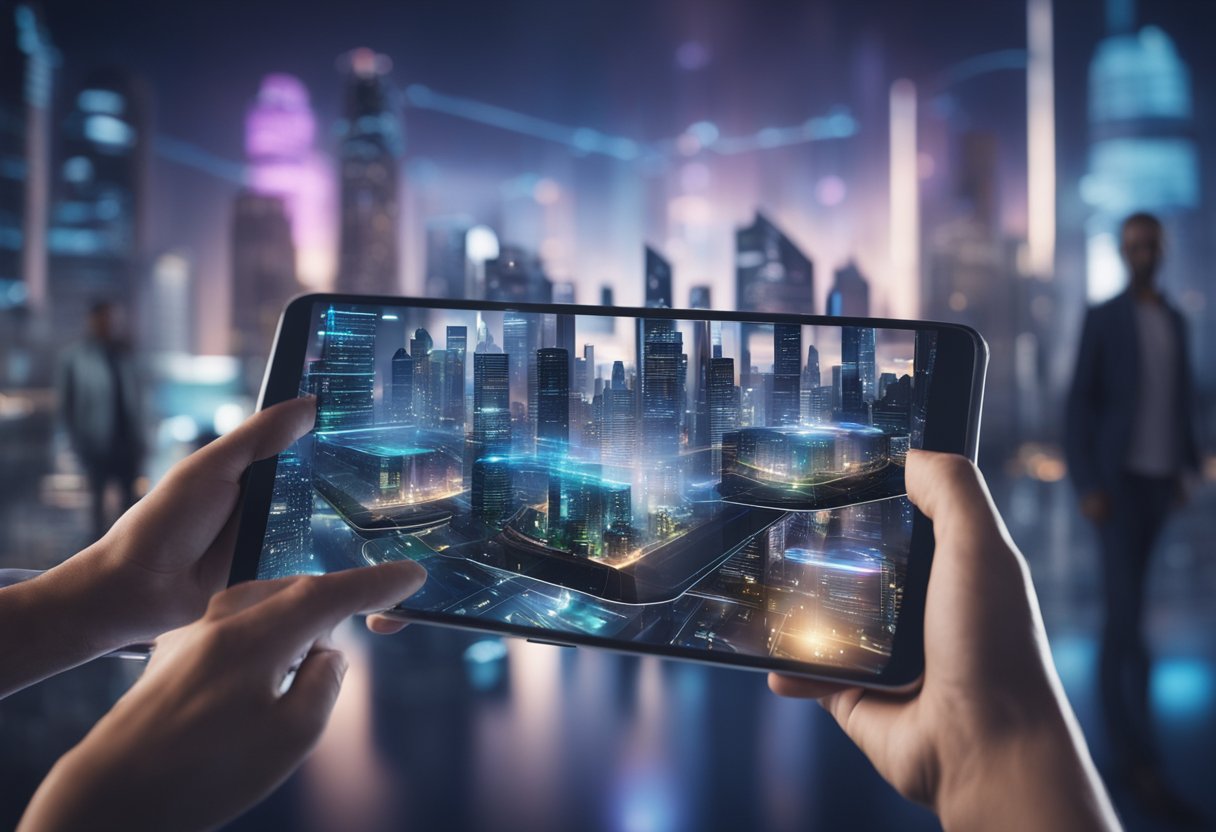
As the metaverse gains traction, virtual personalities are becoming more influential. These AI-driven personas are a product of the rapid advancements in artificial intelligence and computing power. They are designed to interact with users, providing them with a personalized and immersive experience within digital realms. With the ability to adapt and evolve over time, virtual personalities are poised to play a significant role in the future of the metaverse.
Examples of such virtual personalities include:
- AI influencers: Digital characters that engage with users, sharing content and promoting products.
- Virtual assistants: Providing personalized help and guidance based on a user’s preferences and needs.
Innovations in AI Influencer Marketing
AI influencer marketing is undergoing rapid transformation. Developments in generative AI are enabling improved content creation, enabling influencers to produce high-quality text, visual, and video content. Virtual influencers can analyze audience responses and refine their strategies in real-time, optimizing their approach to audience engagement and sales.
As a result, AI-powered influencers are becoming increasingly indispensable for brands seeking to tap into new consumer segments. Moreover, the role of full-service agencies will evolve as the link between artificial intelligence and influencer marketing strengthens.
Key trends in AI influencer marketing include:
- Customization: Brands will have more control over AI influencers’ behavior and content output, allowing for targeted and relevant messaging.
- Measurable outcomes: The shift in AI influencer marketing allows for a clearer understanding of investment outcomes, from audience engagement to sales.
Anticipating Future Developments
In the coming years, we can expect to see even more significant advancements in AI technologies that will revolutionize the influencer marketing industry. As AI systems become more sophisticated, virtual influencers will be capable of producing better content, engaging with audiences more effectively, and ultimately generating higher returns on investment for brands.
To navigate the evolving media landscape, it is crucial that marketers remain aware of the growing influence of AI within influencer marketing. By staying informed and adapting to changes, they can capitalize on the numerous opportunities and innovations that lie ahead in the realm of AI influencers and the metaverse.
Frequently Asked Questions
Who are some of the most popular virtual influencers?
Some of the most popular virtual influencers include Lil Miquela, a virtual character who has earned a significant following on Instagram, as well as KFC’s Colonel Sanders virtual influencer campaign. These AI influencers have gained popularity due to their unique personalities and captivating content.
What platforms do AI influencers mainly operate on?
AI influencers mainly operate on social media platforms like Instagram, Twitter, Facebook, and YouTube. They engage with audiences through these platforms, sharing captivating content and participating in digital trends.
How is an AI-generated influencer created and developed?
AI-generated influencers are created using advanced artificial intelligence technologies, such as machine learning and natural language processing. A realistic appearance, personality, and opinions are developed for the virtual character, allowing them to interact with human followers on social media platforms.
Can virtual influencers engage audiences as effectively as human influencers?
While the effectiveness of virtual influencers is subjective, they have shown the ability to engage with audiences and create a following on various social media platforms. They can generate interest and curiosity, but their ability to forge genuine connections with users is still a topic of debate.
What are the potential impacts of AI influencers on the digital marketing industry?
AI influencers have the potential to change the landscape of influencer marketing, addressing challenges like influencer fraud, non-performing influencers, and misfit content. Companies can benefit from their agility in content creation and participation in digital trends. However, their role in the industry also raises questions about authenticity and the ethics of using AI-generated personas for marketing purposes.
How does the content of AI influencers differ from that of human influencers?
AI influencers can generate content based on data analysis, using algorithms to determine what kind of content will resonate with their target audience. This can result in content tailored to their followers’ interests and preferences, which may differ from the more personal, authentic content produced by human influencers.