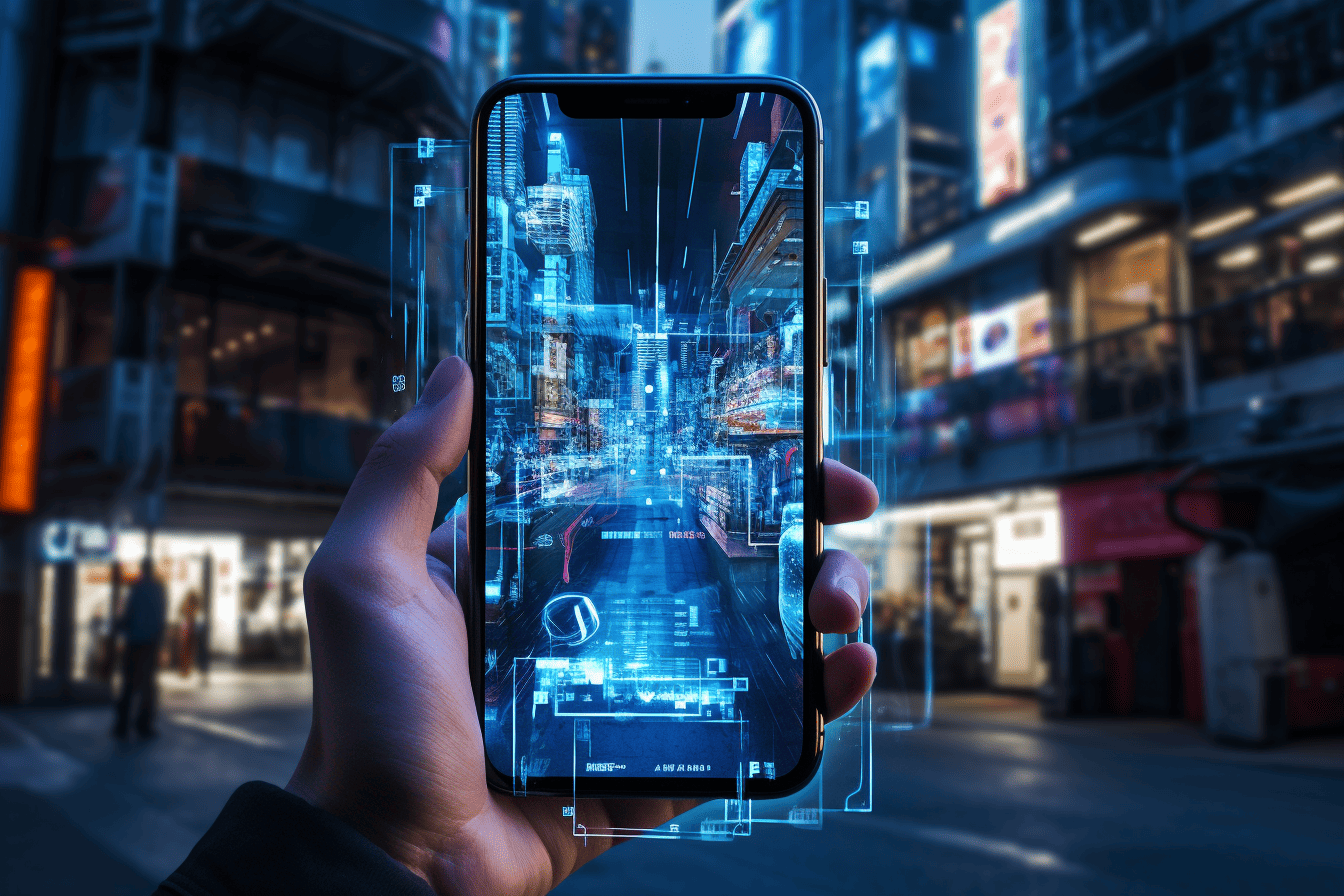
AI and AR: Revolutionizing Industries through Immersive Technologies
Artificial intelligence (AI) and augmented reality (AR) are two groundbreaking technologies that have been transforming various industries in recent years. AI refers to the development of computer systems that can perform tasks that typically require human intelligence, such as learning, problem-solving, and decision-making. On the other hand, AR is a technology that overlays digital information and visuals onto a user’s perception of the physical environment, creating an immersive and interactive experience. As these technologies continue to evolve, they hold tremendous potential to reshape our everyday lives and revolutionize various sectors, from entertainment and healthcare to manufacturing and education.
The integration of AI and AR has led to the development of advanced applications that capitalize on the strengths of each technology, providing users with enhanced experiences and capabilities. For example, AI algorithms can analyze and process real-time data from AR systems to create more immersive and personalized experiences. Furthermore, the combination of AI and AR has opened up new opportunities and challenges in the development and implementation of these technologies, as well as their impact on society and the workforce.
Key Takeaways
- AI and AR are transforming industries by providing immersive experiences and advanced capabilities
- The integration of AI and AR has led to the development of innovative applications and solutions
- The combined technologies present both opportunities and challenges for implementation and societal impact
Understanding AI and AR
AI: Basis and Concepts
Artificial Intelligence (AI) is the development of computer systems capable of performing tasks that usually require human intelligence, such as decision-making, pattern recognition, and natural language understanding. It encompasses various subfields, including machine learning, neural networks, and deep learning, among others. AI has become a prominent part of modern technology, with applications ranging from voice assistants to self-driving cars.
AI systems can be categorized into two types: weak and strong AI. Weak AI, also known as narrow AI, focuses on specific tasks and may be used in autonomous vehicles, chatbots, and image recognition. Strong AI, on the other hand, aims to achieve human-level intelligence across multiple domains, posing a much more challenging goal.
AR: The Future of Virtual Interaction
Augmented Reality (AR) is a technology that overlays digital information onto the user’s real-world environment, connecting the physical and virtual worlds. Unlike Virtual Reality (VR), wherein users are entirely immersed in a computer-generated environment, AR enhances the user’s perception of their surroundings through a combination of real and virtual elements. Common applications of AR include navigation, gaming, and educational experiences.
AR experiences can be delivered through various devices, such as smartphones, tablets, and head-mounted displays (HMDs). Most AR systems use computer vision and object recognition to analyze and process real-world information, often incorporating AI technologies to deliver a more immersive and personalized experience. For instance, AR applications may offer more individualized experiences by analyzing and understanding the user’s environment, preferences, and behavior.
The integration of AI and AR has the potential to revolutionize various industries, as it can enhance communication, collaboration, and understanding between users. The combination of these two powerful technologies is expected to create new opportunities and challenges, shaping the future of interactive experiences.
Technologies Behind AI and AR
Machine Learning and Deep Learning
Artificial Intelligence (AI) is powered by machine learning algorithms that analyze large amounts of data and make predictions, recommendations, or decisions. One of the most important techniques in machine learning is deep learning, which involves training artificial neural networks to improve their performance over time. Deep learning has driven significant advances in AI, largely due to the increasing processing capabilities of powerful GPUs and specialized processors.
Speech and Image Recognition
AI and Augmented Reality (AR) technologies often rely on speech, image, and voice recognition to create immersive experiences and enable effective human-computer interaction. Speech recognition converts spoken words into text, allowing systems to understand and process spoken commands. Image recognition involves the identification and classification of images, while text recognition is used to extract relevant information from written or printed text. Voice recognition is the ability to identify a speaker based on their unique vocal characteristics.
Computer Vision and Object Detection
Computer vision is a crucial technology in both AI and AR, making it possible for systems to “see” the world through cameras, sensors, and other imaging devices. It enables systems to interpret visual input and recognize objects in the environment. Object detection is a key aspect of computer vision, allowing AI models to identify and classify specific objects within images or video footage. These capabilities play a vital role in the integration of AI and AR, opening up a wide range of applications and opportunities.
AR and AI in Various Industries
Gaming and Entertainment
In the gaming and entertainment industry, AR and AI technologies are transforming how users interact with virtual environments. AR offers interactive experiences by overlaying digital elements onto physical surroundings, while AI enhances gaming mechanics through realistic NPCs and adaptive games. With the advances in deep learning and powerful processors, AI algorithms are unlocking new possibilities in content creation and user experience.
Retail and Manufacturing
AR and AI are revolutionizing retail and manufacturing sectors. In manufacturing, AR provides real-time data visualization, cross-team collaboration, and workflow simplification. AI, on the other hand, helps optimize supply chain management and automate processes. Moreover, various platforms and frameworks support AR applications in these fields, facilitating their adoption in diverse business settings.
Healthcare and Education
Healthcare and education are other industries benefitting from the combination of AR and AI. In healthcare, AR enhances medical training and assists in surgical procedures by providing real-time imagery and 3D models. AI allows for personalized treatments, early diagnosis, and health monitoring. In education, AR and AI enable immersive learning experiences, allowing educators to create customized and interactive educational content that adapts to students’ abilities and progress.
Military and Aerospace
Military and aerospace domains are also integrating AR and AI technologies to advance their objectives. In the military, AR applications improve situational awareness and training, while AI supports decision-making in complex scenarios. In the aerospace industry, AR offers enhanced navigation and maintenance capabilities, whereas AI contributes to air traffic management and predictive safety analysis. These technologies together are paving the way for improved efficiency and risk reduction in these critical industries.
Impact of AI and AR on Everyday Life
Artificial Intelligence (AI) and Augmented Reality (AR) are revolutionizing the way people interact with technology and the physical environment. These advancements have created a plethora of opportunities for innovation across various industries. This section explores how AI and AR technology impact daily life in several ways, including virtual assistants, chatbots, and extended reality applications.
Virtual assistants such as Siri, Google Assistant, and Alexa have become ubiquitous in everyday life, thanks to AI-powered voice recognition and natural language processing capabilities. They assist users in tasks ranging from setting reminders and delivering weather updates to controlling smart home devices. The integration of AI with virtual assistants has increased their accuracy and efficiency, making them an integral part of many users’ daily routines.
Chatbots are another AI-driven technology that has become increasingly popular in recent years. They leverage machine learning algorithms to simulate human-like conversation with users, providing instant responses and assistance. Chatbots are widely used in customer service, reducing response times and easing the workload of human agents. They have also found applications in areas like mental health support and language learning.
Incorporating AR technology into the physical environment is another way in which AI and AR advancements are transforming everyday life. Smartphone cameras with AR capabilities overlay digital content onto real-world images, enhancing users’ perception and understanding of their surroundings. For example, navigation apps can now display route directions directly on the streets, and retailers can test how potential products would look in customers’ homes. These interactive visualizations offer valuable insights and can improve decision-making.
Extended reality (XR) refers to a group of immersive technologies that includes AR, virtual reality (VR), and mixed reality (MR). By combining AI with XR, new experiences and applications are being developed that further blend the virtual and physical worlds. AI-powered extended reality solutions can revolutionize industries like healthcare, education, and entertainment. For instance, AI-enhanced VR can provide realistic training simulations for medical professionals and allow students to experience historical events virtually.
In conclusion, the advancements in AI and AR technology have significantly impacted various aspects of everyday life. From virtual assistants and chatbots to extending reality experiences, these innovations continually transform the way people interact with the world around them, offering more seamless and personalized experiences.
Challenges in AI and AR Implementation
AI and AR technologies are rapidly growing, providing organizations with innovative solutions for various industries. However, there are several challenges businesses face when implementing AI and AR technologies. These obstacles include issues with data, security, cost, bias, and data security.
One of the primary challenges faced in AI and AR implementation is the cost factor. Implementing these technologies can be expensive, depending on the approach taken and the level of customization required. Companies need to weigh the financial constraints with the potential benefits of implementing AI and AR solutions.
Another challenge is the quality of data used in AI algorithms. Training AI systems requires large amounts of accurate data, but often organizations face issues with inadequate or biased data. Inaccurate or incomplete data can lead to inaccurate predictions and outputs, thus affecting the overall efficiency of the AI system.
Bias is a related concern in AI and AR systems. Biased data can lead to anomalies in the output of machine learning algorithms, causing the system to produce discriminatory results. To tackle this issue, organizations must examine their data sources and ensure unbiased data for effective AI and AR system training.
Security and data privacy are also significant challenges in AI and AR implementation. As companies collect and use more data for their AI algorithms and AR applications, maintaining data security and protecting user privacy becomes a critical issue. Establishing robust security measures to safeguard data and user information is essential to gain user trust and comply with data protection regulations.
In summary, while AI and AR technologies offer tremendous potential for various industries, organizations must address these challenges to ensure smooth and efficient implementation. Addressing cost, data quality, bias, and security concerns will help businesses harness the full potential of AI and AR technologies.
Future of AI and AR
The future of artificial intelligence (AI) and augmented reality (AR) holds significant potential for transforming the way we interact with the digital and physical world. One of the key advancements expected in this domain is the development of artificial general intelligence (AGI), which will enable machines to perform a broad range of tasks, much like humans. This breakthrough will undoubtedly impact the capabilities of AR, enabling highly immersive and personalized experiences for users.
Mixed reality, which combines elements of AR, virtual reality (VR), and real-world environments, is poised to create even more engaging experiences for users. This fusion of advanced AI, AR, and VR technologies will offer opportunities for creators, developers, and businesses to build more dynamic, interactive content. Platforms like Unity are already being used to develop state-of-the-art mixed reality applications, and their importance is expected to grow in the future.
Advancements in computer vision technologies like simultaneous localization and mapping (SLAM) will also drive the future growth of AI and AR. SLAM enables the accurate tracking of objects in an environment and their placement in a 3D map, which enhances the immersion and realism of AR experiences. This technology is critical for the development of holograms that can be interacted with in real-time.
In the realm of AR hardware, devices like the Apple Vision Pro are indicative of the increasing sophistication and performance of AR headsets. These cutting-edge devices serve as a testament to the rapid progress in wearable technology, paving the way for even more advanced AR glasses and headsets in the years to come.
In summary, the future of AI and AR will be characterized by the convergence of numerous technologies like AGI, mixed reality, Unity, SLAM, holograms, and cutting-edge devices like the Apple Vision Pro. This synergy will propel AI and AR to new heights and transform various industries, while enriching the lives of individuals around the world.
Conclusion
The integration of Artificial Intelligence (AI) and Augmented Reality (AR) is revolutionizing the way people experience and interact with digital content. AI and AR technologies have been a topic of research for decades, boasting millions of citations on Google Scholar. Today, this powerful combination is shaping the future of mobile app experiences and creating immersive visualizations in real-time, such as allowing users to see and interact with 3D objects in their physical environment (source).
AI’s capacity to analyze and predict user behavior enhances the impact of AR, blurring the lines between virtual and physical realities (source). Moreover, the two technologies have steadily been making their mark within various industries. Robotics, for instance, has witnessed remarkable advancements as AI and AR systems work in tandem to create human-robot interactions and enhance automation (source).
The One Hundred Year Study on Artificial Intelligence (AI100) highlights the significant progress made in AI in the last five years, as well as its increasing real-world impacts on people, institutions, and culture. As technology continues to evolve, the marriage of AI and AR will undoubtedly generate transformative experiences and shape the digital landscape.
Frequently Asked Questions
What applications combine AI and AR in everyday life?
Artificial Intelligence (AI) and Augmented Reality (AR) are increasingly being used together in various applications. Examples include retail applications, where customers can virtually try on clothes or makeup before making a purchase, and navigation apps that use AI to understand user preferences and provide enhanced AR route guidance. Educational and training applications also utilize AI and AR to create immersive, customized learning experiences.
How does AI enhance AR experiences?
AI can enhance AR experiences by providing real-time data processing, context-awareness, and personalized experiences. With AI’s power, an AR application can analyze user behavior, preferences, and surroundings to offer a tailored, interactive experience. For instance, AI algorithms can recognize objects or people in a scene and provide relevant information, making AR experiences more engaging and useful.
What are the advantages of incorporating AI in AR technology?
Incorporating AI into AR technology has several advantages:
- Improved user experience: AI enables more realistic, context-aware, and personalized AR experiences.
- Increased efficiency: AI can process data and perform tasks in real-time, optimizing AR applications and reducing latency.
- Enhanced decision-making: By analyzing a wide range of data and providing context, AI can help users make informed decisions with the help of AR visuals.
- Adaptability: AI algorithms can learn from user behavior, enabling AR applications to continually improve over time.
What industries benefit from AI and AR integration?
AI and AR integration have the potential to benefit various industries, including:
- Healthcare: Medical professionals can use AI-powered AR for training, diagnostics, or guiding surgical procedures.
- Education: AI-driven AR can create immersive, interactive learning experiences tailored to individual learners’ needs.
- Manufacturing: AI-powered AR can assist with maintenance, training, and assembly line operations.
- Retail: AI and AR can enhance customer experiences, such as virtual try-on or personalized recommendations.
- Entertainment: Gaming and media applications can deliver more engaging, tailored experiences by combining AI and AR.
Are there any challenges in combining AI with AR?
While there are numerous benefits to combining AI and AR, some challenges need to be addressed:
- Data privacy and security: AI relies on user data for processing and personalization, raising concerns about data privacy and security.
- Technical complexity: Developing AI and AR solutions requires specialized skill sets and resources, making it challenging for some organizations.
- Performance and battery life: AI and AR applications can consume significant resources, potentially impacting device performance and battery life.
What is the future potential of AI and AR convergence?
The convergence of AI and AR promises to unlock new opportunities and markets. As AI algorithms become more advanced and AR hardware continues to evolve, we can expect to see even more immersive and intelligent experiences. Furthermore, industries are likely to find innovative ways to integrate AI and AR into workflows, transforming how we work, learn, and interact with our surroundings.